Best Time to Visit Sri Lanka: A Month-by-Month Guide
Sri Lanka has two monsoons hitting opposite coasts, so there is no single best month. A month-by-month comparison of the southwest coast, east coast, Cultural Triangle and hill country.
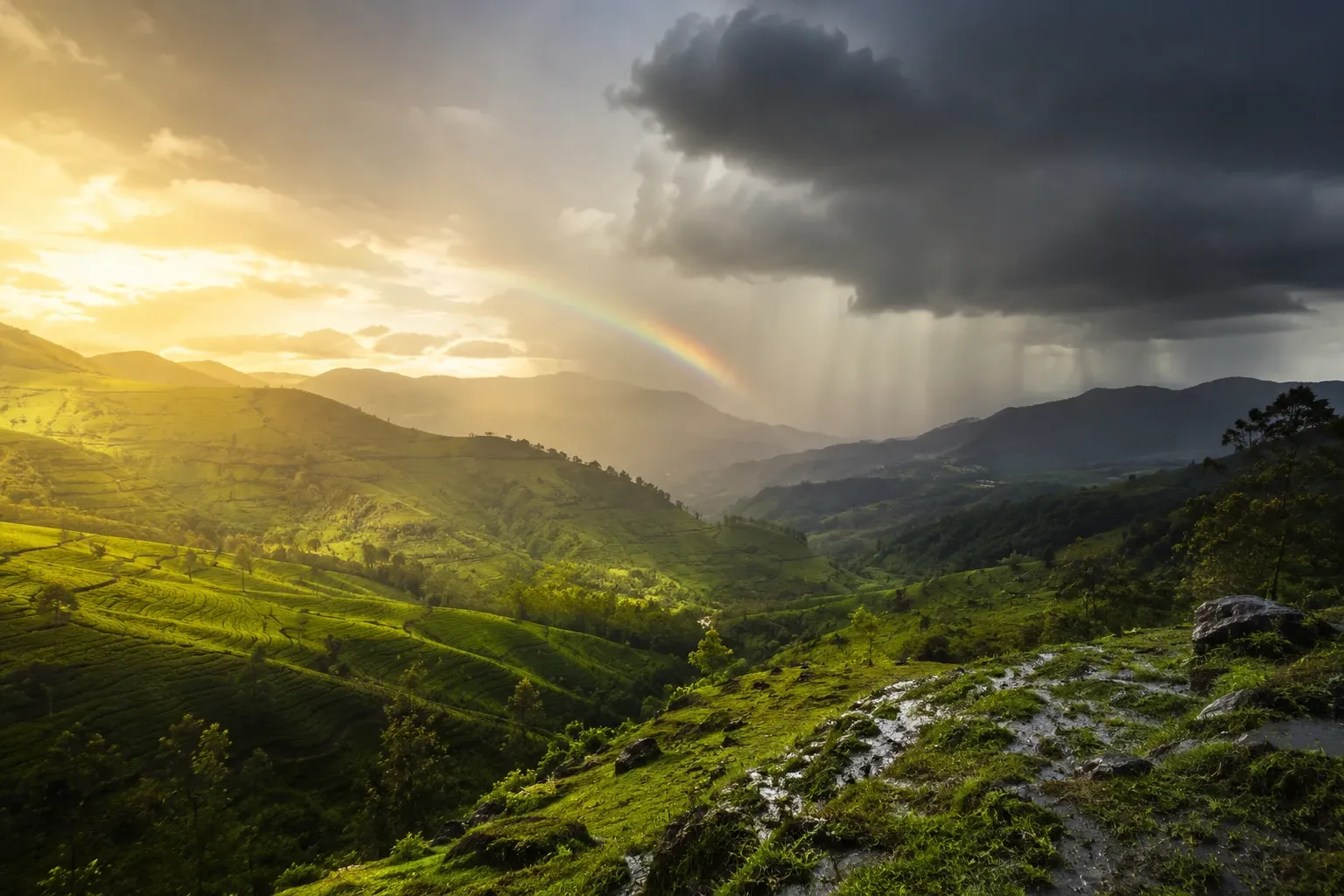
There is no single best month to visit Sri Lanka, and any guide that gives you one is describing half the island. Two monsoons arrive at opposite times and hit opposite coasts, so while one side is being rained on, the other is usually in its best season. That is genuinely good news: it means almost any month works somewhere, and the real question is not when to come but where to go in the month you can travel.
How the two monsoons actually work
Sri Lanka Tourism divides the year into four seasons. The southwest monsoon runs May to September and brings heavy rain to the southwest coast and the hills, while leaving the dry zone — Trincomalee, Arugam Bay and Jaffna — at its best. The northeast monsoon runs December to February and reverses it: clear skies and calm seas on the southwest coast, wet weather in the east and north. Between them sit two inter-monsoon periods. March to April brings afternoon thunderstorms and warm, humid conditions well suited to the Cultural Triangle and hill country. October to November brings occasional heavy showers across the whole island and rougher seas, but leaves the interior highlands green. Nationally the average temperature is about 27°C with humidity near 80 per cent, so heat is a constant rather than a seasonal variable.
Month by month, at a glance
The table compares the three areas whose weather diverges most. Read across the row for the month you can travel, then pick the column that is having a good time of it. "Wet" does not mean washed out — rain in Sri Lanka usually arrives in heavy bursts rather than all-day drizzle — but it does mean rougher seas and less reliable beach days.
| Month | Southwest coast | East coast | Hills and Cultural Triangle | Best suited to |
|---|---|---|---|---|
| January | Dry season, peak | Wet | Dry, cooler hills | Southwest beaches, whale watching |
| February | Dry season, peak | Wet | Dry, cooler hills | Southwest beaches, whale watching |
| March | Drying out | Improving | Warm, humid | Cultural Triangle, hill country |
| April | Transitional storms | Improving | Warm, humid | Cultural Triangle, hill country |
| May | Monsoon begins | Season opens | Wet in the hills | East coast, Trincomalee |
| June | Monsoon | Dry | Wet in the hills | East coast, Arugam Bay |
| July | Monsoon | Dry, peak | Wet in the hills | East coast, Jaffna |
| August | Monsoon | Dry, peak | Wet in the hills | East coast, Arugam Bay |
| September | Monsoon easing | Dry | Wet in the hills | East coast, last reliable month |
| October | Showers island-wide | Showers island-wide | Lush, green | Fewest crowds, lowest prices |
| November | Showers easing | Season closing | Lush, green | Shoulder season, softer pricing |
| December | Dry season starts | Wet | Dry, cooler hills | Southwest beaches, festive season |
The four regions, and why they disagree
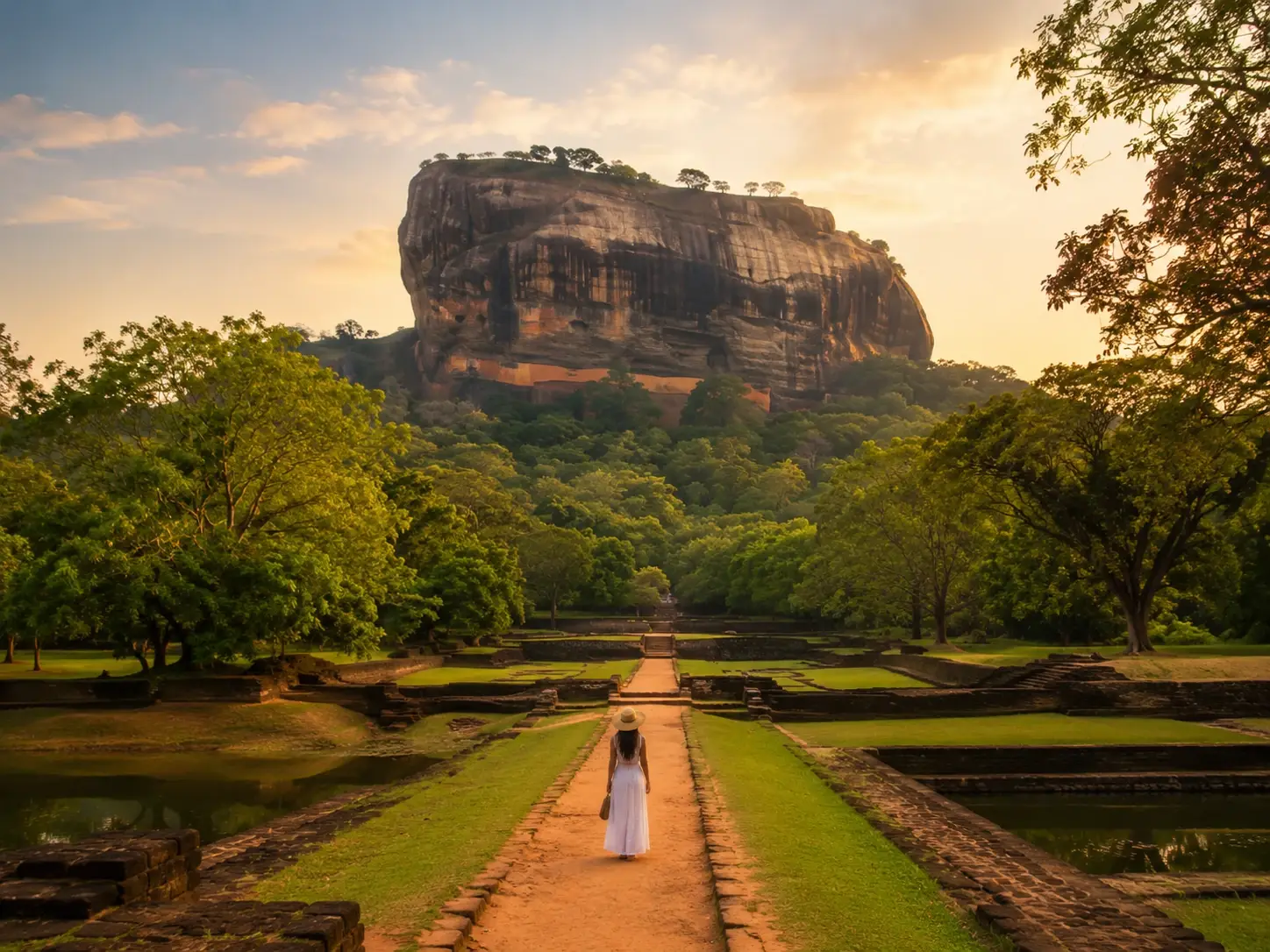
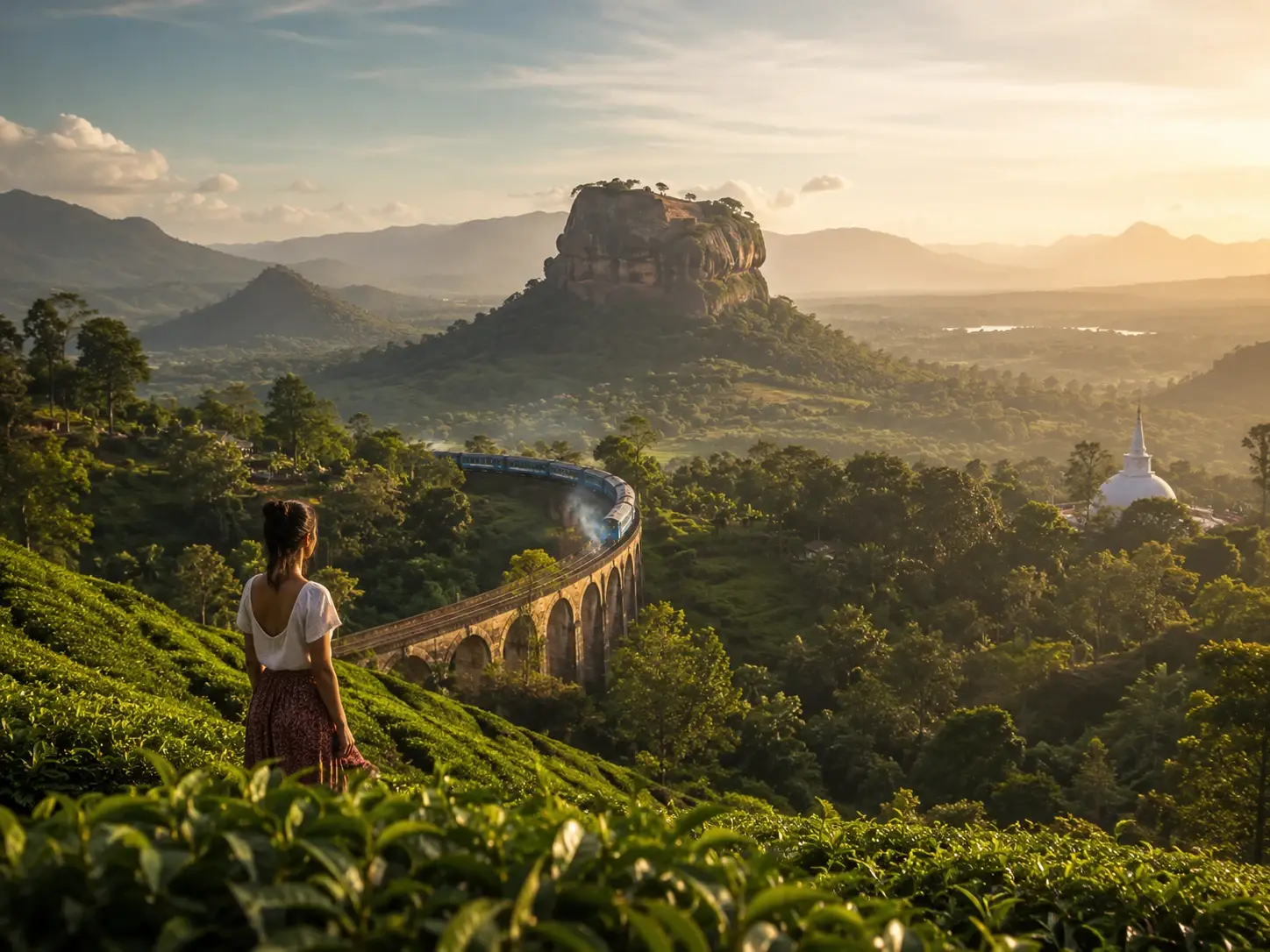
The southwest coast — Galle, Mirissa, Bentota, Tangalle — is the classic beach strip and runs on the northeast monsoon calendar, meaning December to February is its peak. The east coast — Trincomalee, Pasikuda, Arugam Bay — is the mirror image, at its best from May to September. The Cultural Triangle, covering Sigiriya, Dambulla, Polonnaruwa and Anuradhapura, sits in the dry zone and is workable most of the year; official guidance points to March and April, though the heat then is significant and early starts matter more than the month. The hill country around Kandy, Nuwara Eliya and Ella is cooler year-round and gets wet during the southwest monsoon, but its bigger variable is cloud: the views that make the region worth the detour depend on visibility, not just rainfall.
Best periods by activity
Southwest beaches and watersports: December to February, which official guidance describes as the peak season for the southwest coast, with clear skies and calm seas. East coast beaches: May to September. Whale watching from the south coast: the same calm-sea window as the southwest beach season, December to February. Surfing: follows the sheltered coast rather than the calendar — the south coast works during the northeast monsoon and Arugam Bay during the southwest monsoon, so there is a surf season somewhere in almost every month. Wildlife and safari: the drier months in each park’s own region, since animals concentrate around remaining water; parks occasionally close for maintenance, so confirm before fixing dates. Cultural sightseeing: possible year-round, with March and April officially recommended. Honeymoon travel combining hills and coast: December to April, when the southwest coast and the hill country are both in reasonable shape at the same time.
Which route shape suits which month
December to March favours the classic loop: Cultural Triangle, hill country, then finish on the southwest coast — the arrangement most first-time itineraries use, and the reason those months are busiest. April is a good cultural and hill-country window with beach time still viable but less certain. May to September flips the ending: the same inland route, but finishing on the east coast at Trincomalee or Arugam Bay instead of Mirissa. October and November are the hardest months to plan around a beach, so they suit interior-weighted routes — tea country, wildlife, cultural sites — where rain is an inconvenience rather than a spoiled day, and they bring the year’s thinnest crowds and softest pricing.
Practical advice that matters more than the month
Start early. Sigiriya and Polonnaruwa are far more pleasant, and considerably safer in the heat, before mid-morning; this makes more difference to how a cultural day feels than which month you picked. Expect rain in bursts. Sri Lankan rain is usually intense and short rather than persistent, so a wet forecast rarely cancels a day — it reshapes it. Build slack around the hill-country train. It is scenic and it is slow, and treating it as a fixed appointment is how itineraries go wrong. Watch the crowds, not just the weather: December and January are peak on the southwest coast, and the same beach in November is quieter and cheaper for a modest weather trade-off. Finally, do not try to see both coasts properly in one week — the island is small on a map and slower on the road than it looks.
Sources, and what this guide does not claim
Seasonal information here is drawn from Sri Lanka Tourism’s official weather guidance at https://www.srilanka.travel/weather, which sets out the four seasons, their months and the region each favours. Monsoon timing is a pattern, not a schedule: the boundaries shift by weeks from year to year, and a wet month can deliver a run of clear days. This guide deliberately avoids month-by-month temperature figures, national park closure dates and any promise of surf or whale sightings, because those either vary annually or are not published in a form worth quoting. Check a forecast close to travel, and treat the table as a way to choose a region rather than a guarantee.