Best time to visit
The east coast is generally strongest between May and September, when the sea is calmer and beach conditions are more reliable.
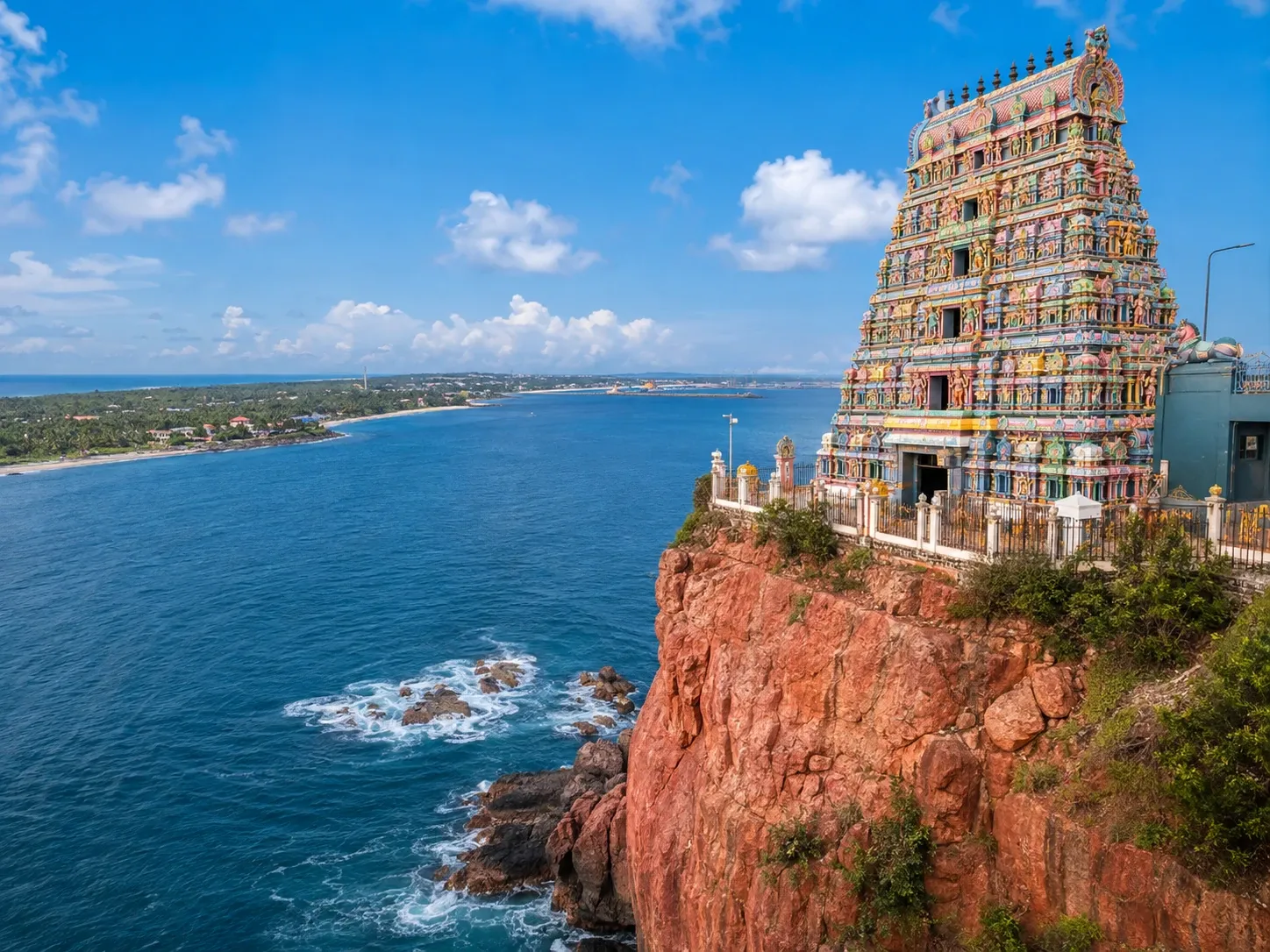
Natural harbour, beaches, and one of the island’s strongest east-coast bases.
Trincomalee is a major east-coast destination for travellers who want beaches, marine activity, and a different seasonal logic from the south and west.
Its importance comes from both its deep natural harbour and the religious and colonial history associated with the Koneswaram area.
The east coast is generally strongest between May and September, when the sea is calmer and beach conditions are more reliable.
It is usually reached from the Cultural Triangle by road and pairs well with Nilaveli, Pigeon Island, and east-coast beach stays.
Trincomalee is the main east-coast destination and the counterweight to the southwest: when the south is being rained on, this coast is at its best. One of the world’s larger natural harbours, calm swimming beaches at Nilaveli and Uppuveli, and a hilltop temple on a cliff above the sea.
Two to four nights. It is a long drive from the usual circuit, so a single night rarely justifies the transfer. Travellers who come here generally make it the resting half of the trip.
May to September, the reverse of the southwest coast. During the northeast monsoon from roughly December to February this coast is wet and the sea rough, which is precisely when the southwest is at its peak. Getting this backwards is the single most consequential planning error on the east coast.
Approximately five to six hours by road from Colombo, and four to five from Sigiriya, which is why it usually follows the Cultural Triangle rather than the hills. There is also a train, which is slow.
Travellers whose dates fall in the northern-hemisphere summer and who want a beach that is actually in season. It suits families — the bays are calmer than much of the south coast — and anyone happy with fewer hotels and less development in exchange for quieter beaches.
Coming in January. Building it into a one-week itinerary, where the transfer cost is disproportionate. Expecting south-coast infrastructure. And attempting both coasts in a single trip, which spends two days driving.
Nilaveli and Uppuveli are the beach areas just north. Pasikuda is around three hours south along the coast. Sigiriya and the Cultural Triangle are four to five hours inland.
Access to Pigeon Island National Park is managed by the Department of Wildlife Conservation, and boat operations depend on sea conditions.
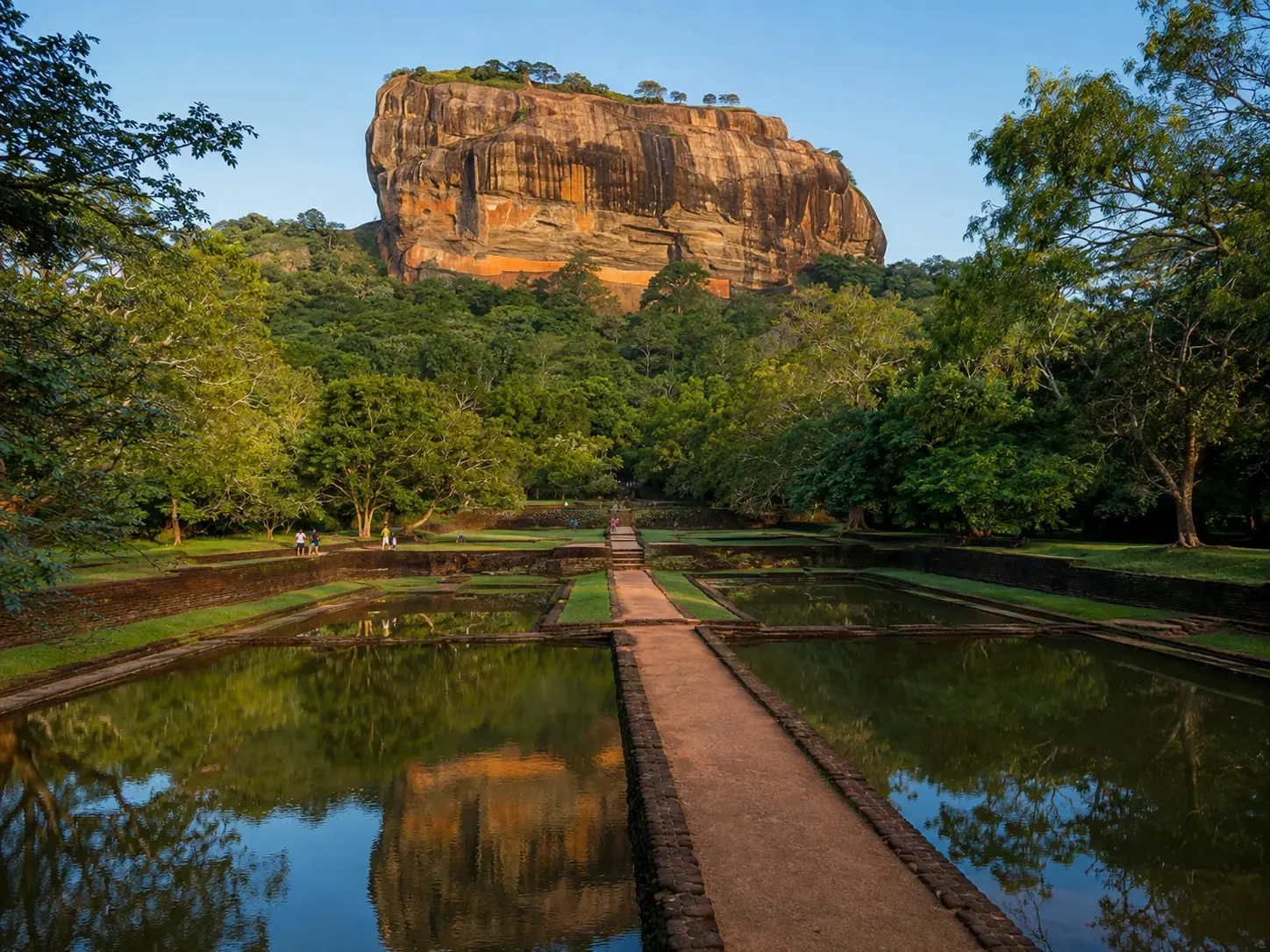
Sigiriya is one of the most recognisable attractions in Sri Lanka and remains a core stop in island itineraries built around history, archaeology, and landscape views.
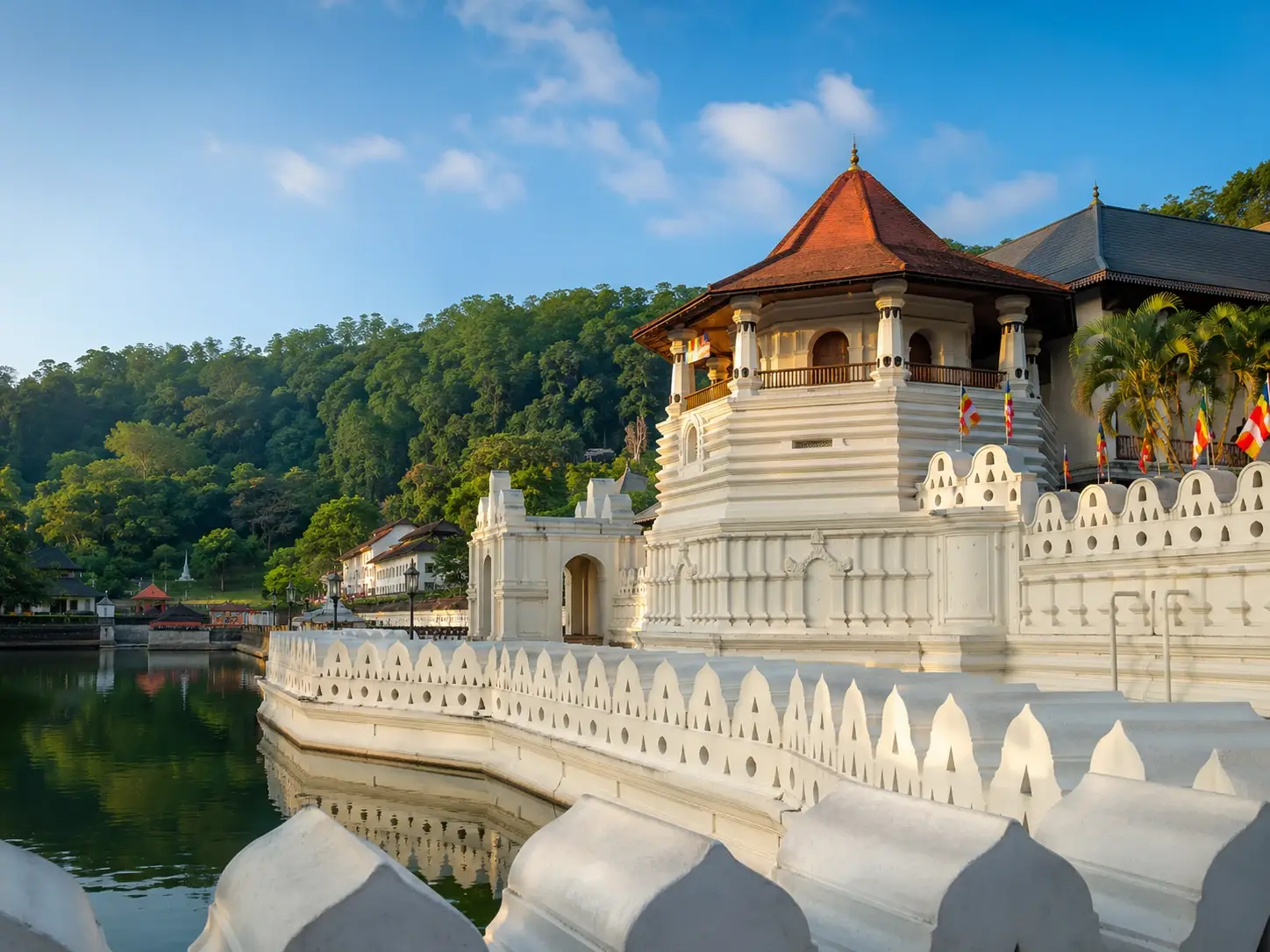
Kandy is one of the island’s most important cultural cities and works especially well as a transition point between the Cultural Triangle and the hill country.
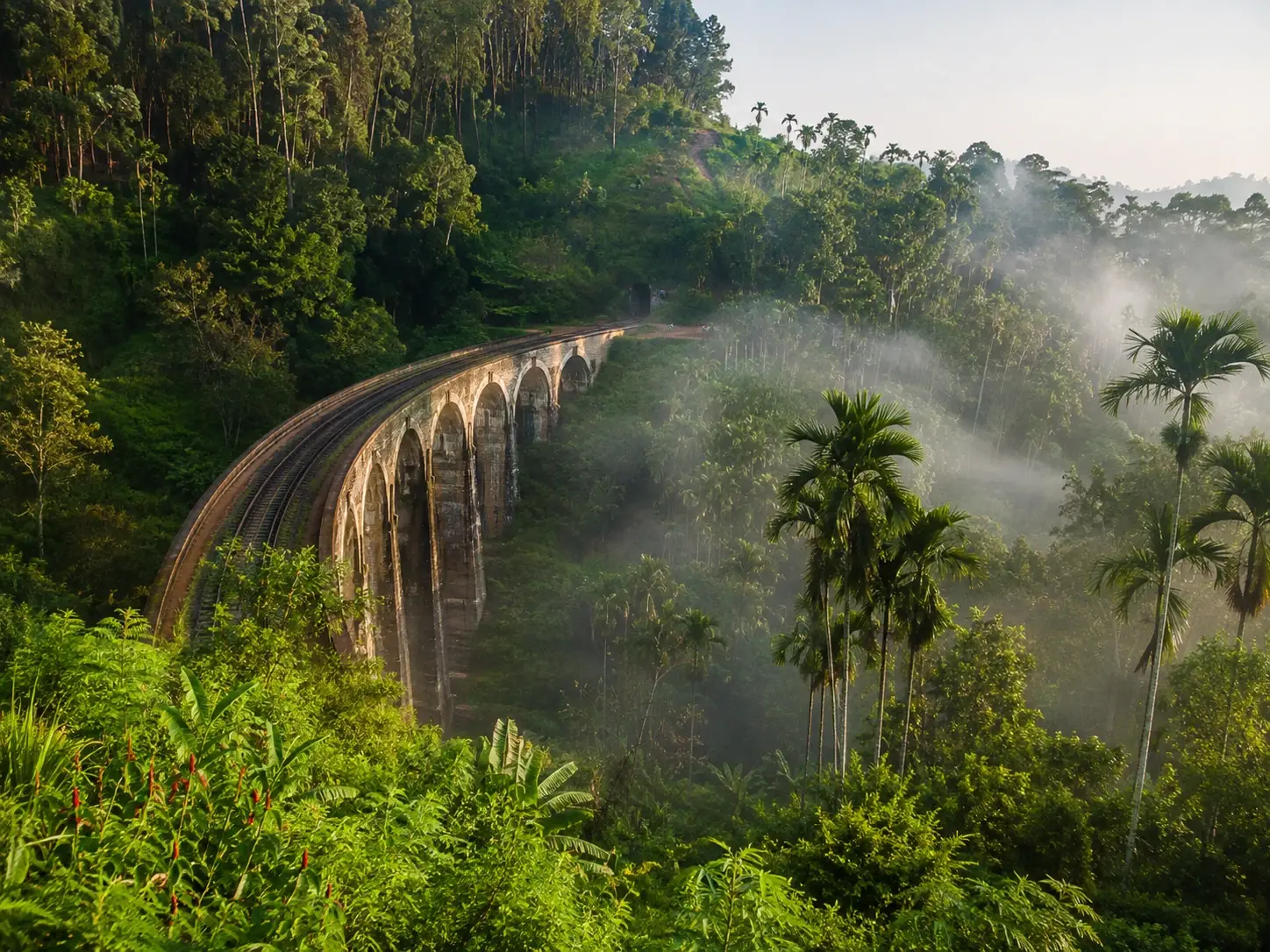
Ella is one of the island’s strongest visual destinations and works best as a slower hill-country section between cultural travel and the south.