
Best time to visit
Kandy is workable year-round, though clearer mornings and smoother city exploration are more common from December through April.
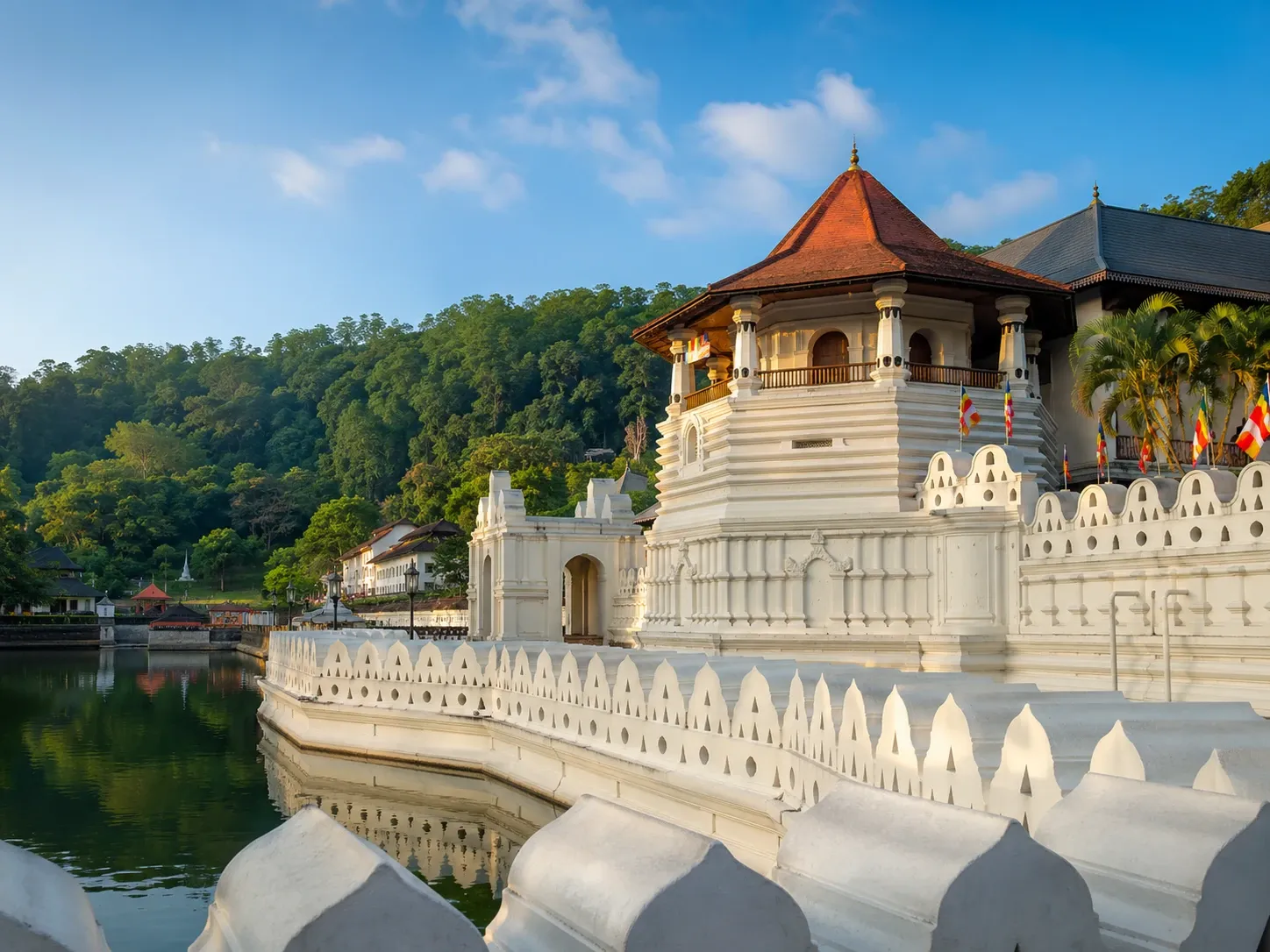
Temple city, lake setting, and the cultural gateway to Sri Lanka’s central highlands.
Kandy is one of the island’s most important cultural cities and works especially well as a transition point between the Cultural Triangle and the hill country.
It was the last royal capital of Sri Lanka and remains closely associated with the Temple of the Sacred Tooth Relic and the island’s Buddhist heritage.
Kandy is workable year-round, though clearer mornings and smoother city exploration are more common from December through April.
Most travellers reach Kandy by road or rail from Colombo, and it is often the starting point for scenic train journeys toward Nuwara Eliya and Ella.
Kandy was the last independent kingdom on the island and still functions as its cultural centre rather than a preserved site. The Temple of the Sacred Tooth Relic is an active place of worship with daily ceremonies, not a monument you walk around, and the difference is palpable. The city sits in a bowl around a artificial lake, which makes it noticeably cooler than the lowlands and a natural transition point between the Cultural Triangle and the hills.
One night for most itineraries, two if you want the botanical gardens at Peradeniya and an unhurried temple visit. Kandy is often treated as a stopover between the Cultural Triangle and the hill country, and that works — but it is a real city with traffic, so allow more time than the map distance suggests.
Workable year-round; the hill-country wet season from roughly May to September brings more rain here than in the dry zone. For the temple, the ceremonies are the point, and they happen at set times each day — plan the visit around them rather than dropping in. Evenings are pleasant and the lake walk is worth the hour.
Approximate road times, traffic dependent: around three hours from Sigiriya, three to four from Colombo or the airport. Kandy is also the northern end of the hill-country railway, and the onward train to Ella is one of the best transport experiences in the country — reserve seats well ahead in high season.
Anyone interested in living religious practice rather than ruins, and travellers who want a cooler night between the heat of the Cultural Triangle and the hills. It suits families reasonably well: the temple is flat and walkable, unlike the climbs further north. Modest dress covering shoulders and knees is required, and shoes come off — socks are worth having.
Arriving without checking ceremony times and finding the shrine closed. Underestimating city traffic when planning the onward drive. Wearing shorts to the temple. And giving Kandy a single afternoon squeezed between two long transfers, which is the version people find underwhelming.
Peradeniya Botanical Gardens is a short drive. Sigiriya and the Cultural Triangle are around three hours north, Nuwara Eliya two to three hours south into the tea country, and Ella is the classic onward train journey.
Ceremony times, dress requirements and photography rules at the Temple of the Sacred Tooth Relic are set by the temple authorities and vary around religious festivals. We confirm them close to your travel date.
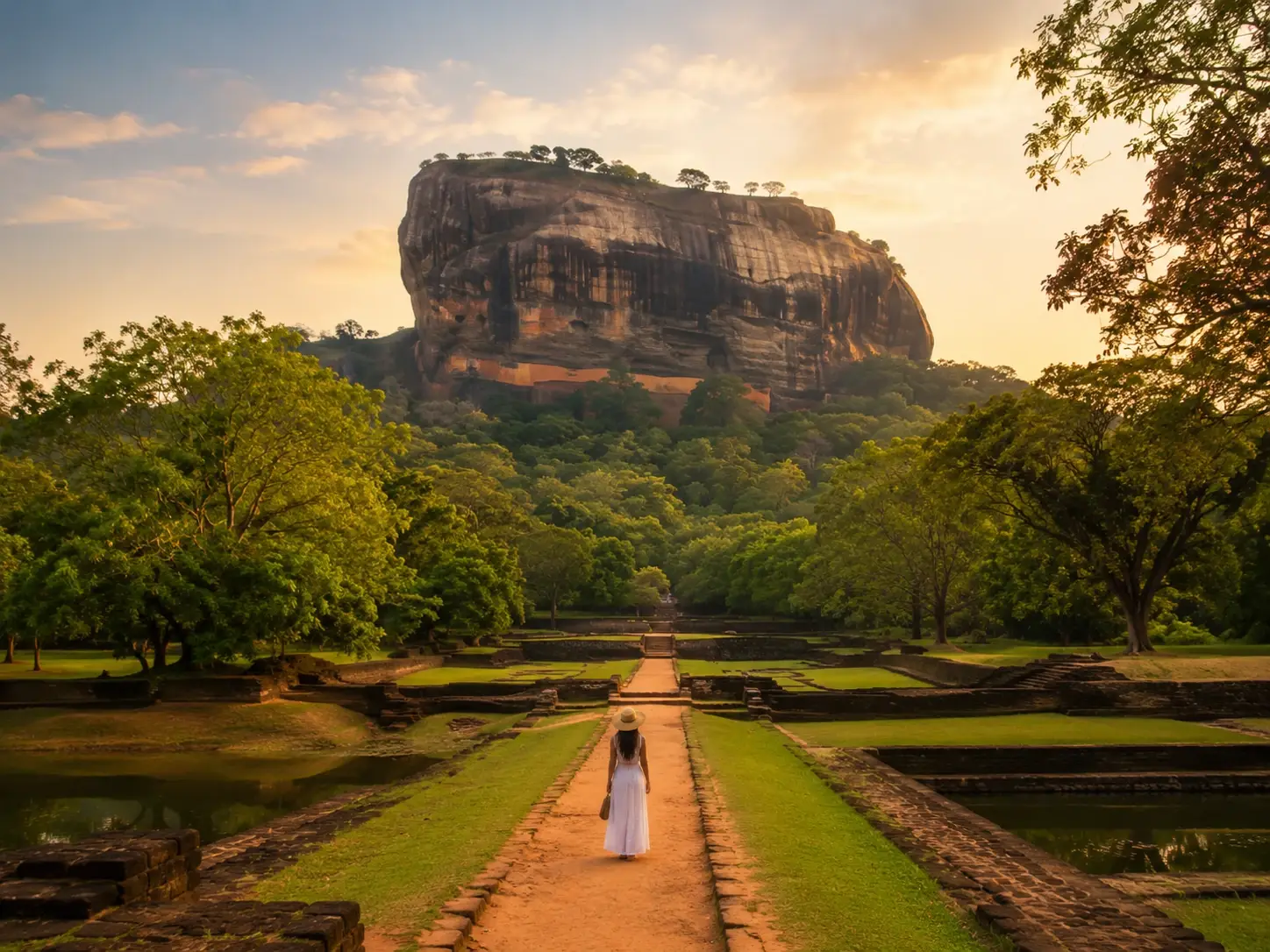
A high-trust cultural route covering Sigiriya, Dambulla, Polonnaruwa, Kandy, and Ella with private transport and curated accommodation.
Best for first-time travellers
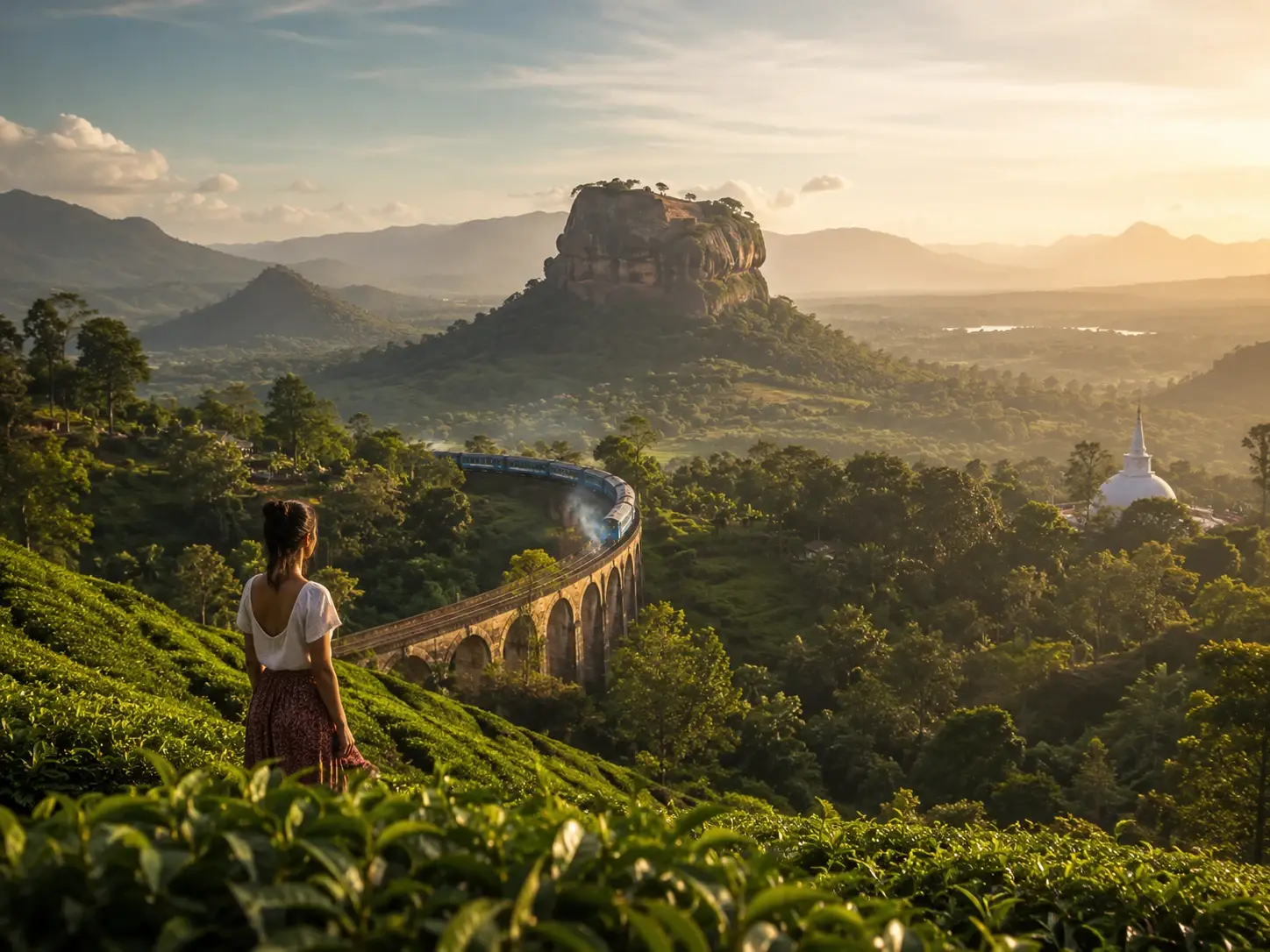
A long-format journey connecting Sri Lanka’s strongest regions without rushing every day into a checklist.
Best for full island trips
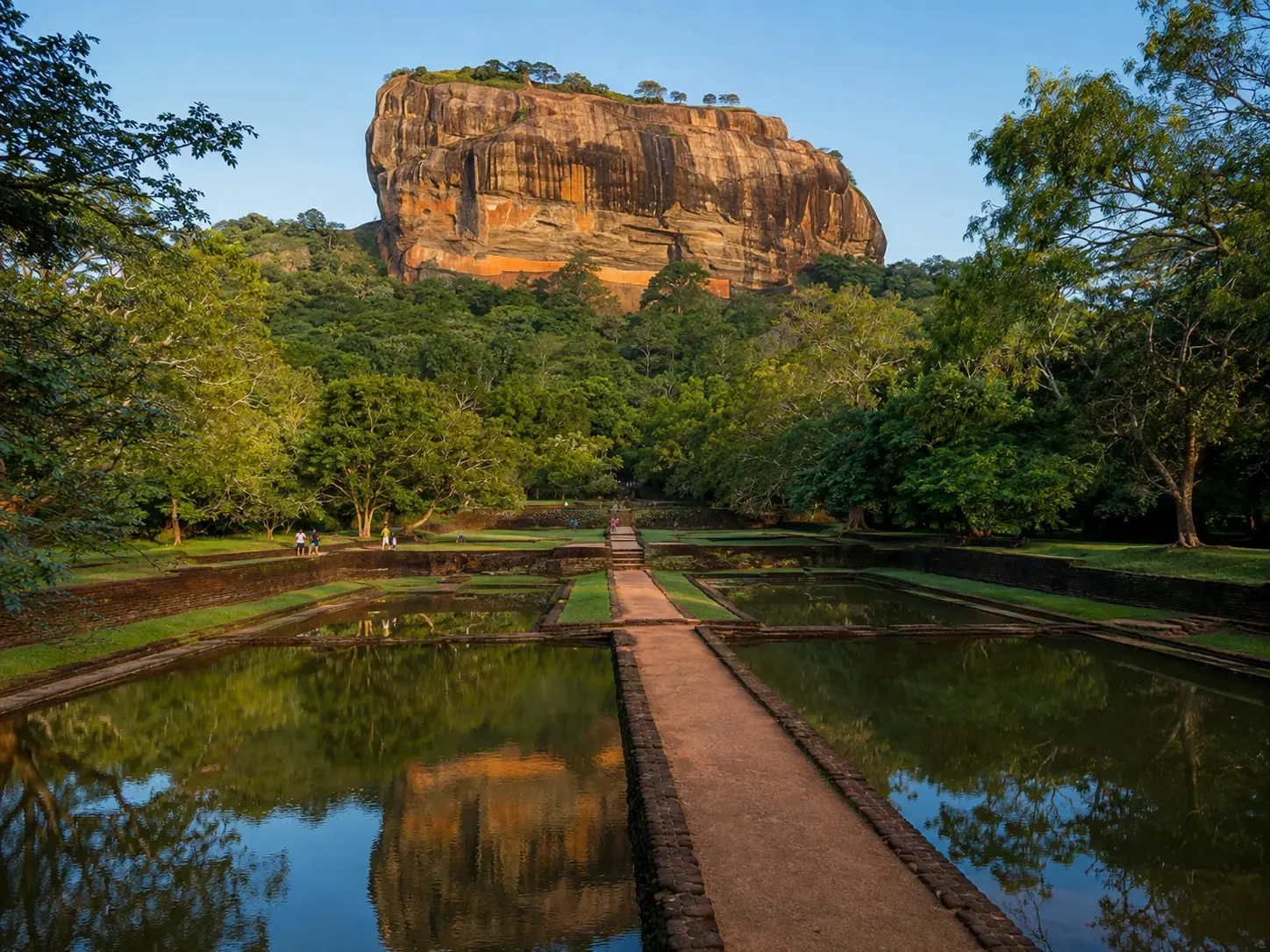
Sigiriya is one of the most recognisable attractions in Sri Lanka and remains a core stop in island itineraries built around history, archaeology, and landscape views.
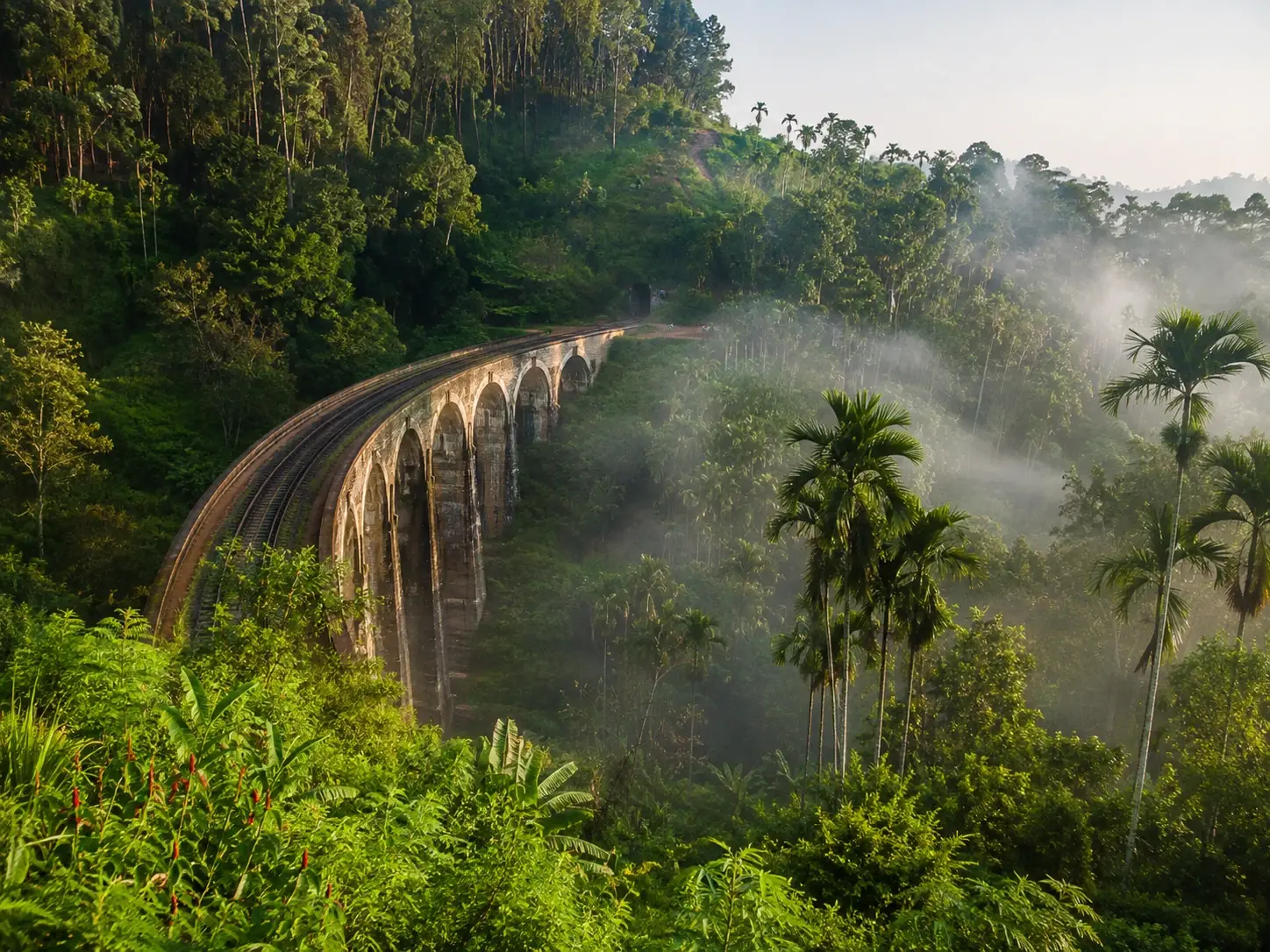
Ella is one of the island’s strongest visual destinations and works best as a slower hill-country section between cultural travel and the south.
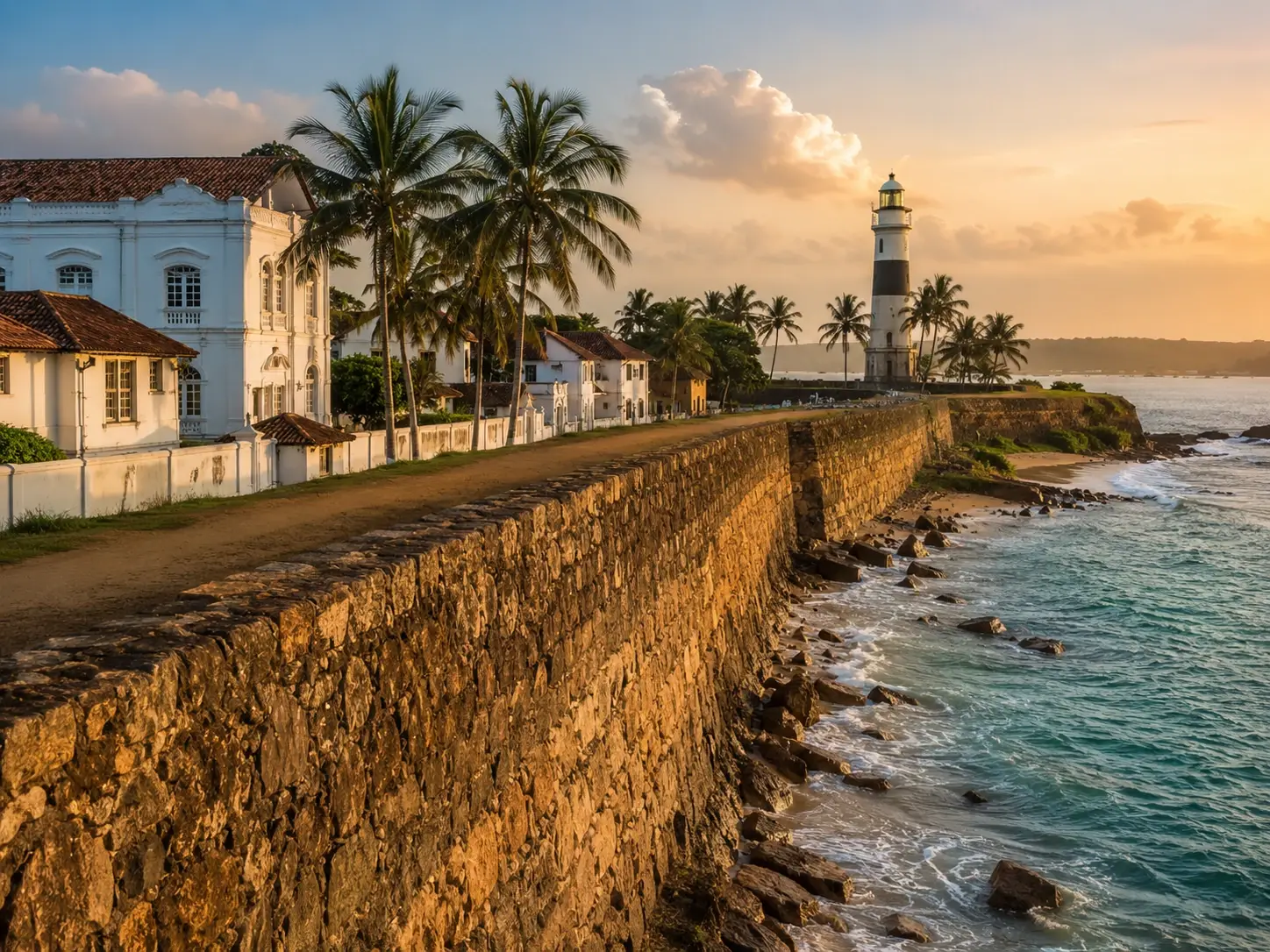
Galle is the anchor destination of the southwest coast for travellers who want more than a beach stop and prefer atmosphere, architecture, and easy walkability.