
Best time to visit
Ella is viable most of the year, with especially attractive mornings and train visibility during the drier seasonal windows.
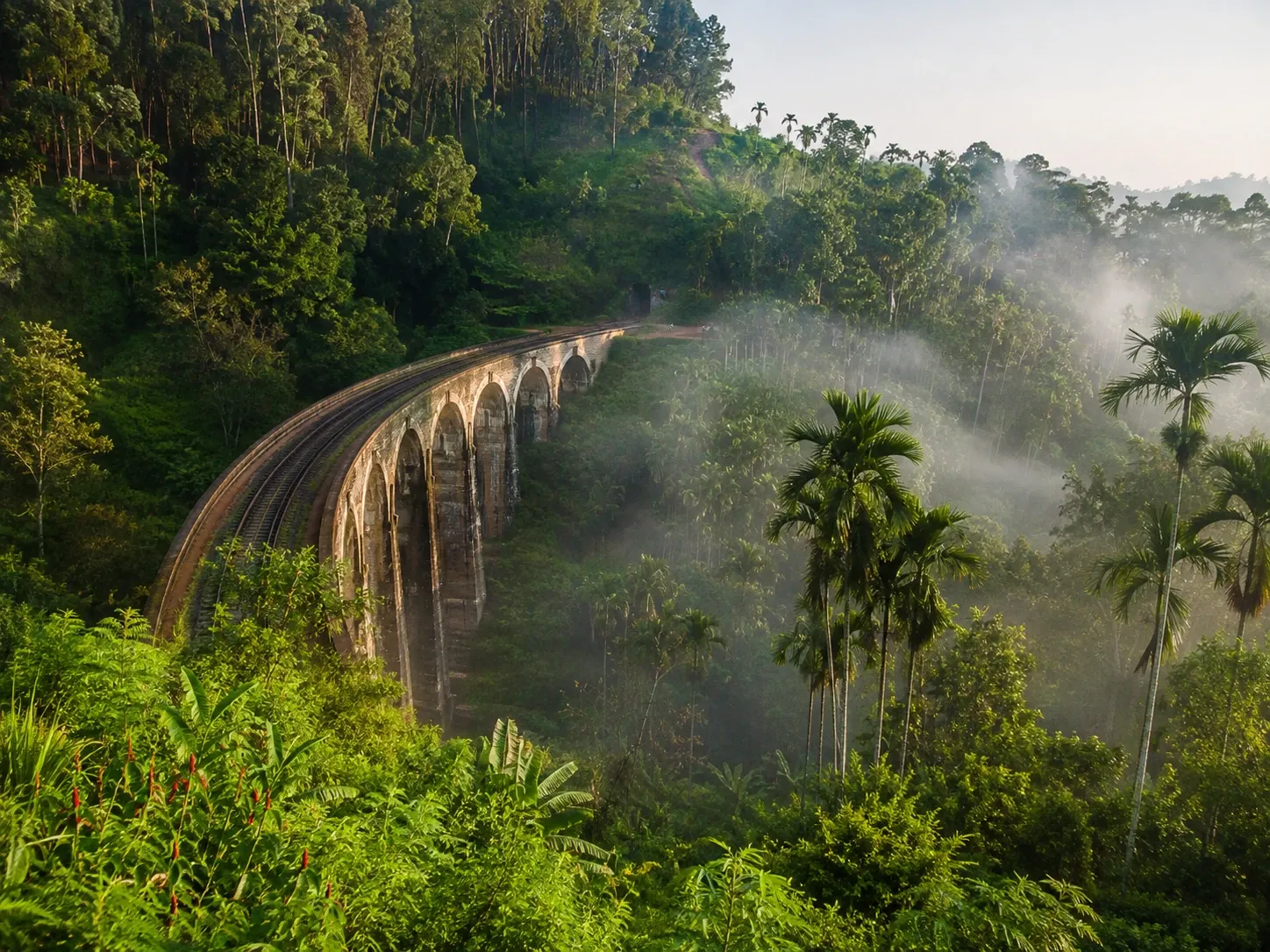
Tea-country viewpoints, scenic rail, and cooler mountain pacing.
Ella is one of the island’s strongest visual destinations and works best as a slower hill-country section between cultural travel and the south.
Its modern travel identity is tied to tea-country tourism, scenic rail journeys, and viewpoint-driven travel rather than one dominant ancient monument.
Ella is viable most of the year, with especially attractive mornings and train visibility during the drier seasonal windows.
Travellers usually arrive by train from Kandy or by road from the central region, and then continue south toward Yala, Tangalle, or Mirissa.
Ella is a small hill town that has grown around a view. The draw is the landscape — a gap in the mountains, tea slopes, waterfalls and the Nine Arch Bridge — plus a walkable, relaxed pace that most itineraries badly need by the time they arrive. It is the point where a Sri Lanka route usually slows down.
Two nights. One night means arriving on the afternoon train and leaving the next morning, which is enough time for the town and not enough for the walks that justify being there. Two nights allows a viewpoint hike, the bridge, and a genuinely slow day.
The hill country is wettest during the southwest monsoon, roughly May to September, and the bigger variable is not rain but cloud — the views that make Ella worth the detour depend on visibility. Mornings are usually clearest. Little Adam’s Peak at sunrise is the standard advice and it is sound; by midday the gap frequently fills with mist.
The Kandy-to-Ella train is the reason most people arrive the way they do: roughly six to seven hours, scenic for most of it, and worth reserving. By road, allow four to five hours from Kandy or a similar figure onward to the south coast. Roads in the hills are slow and winding, so map distances mislead badly here.
It suits walkers, photographers and anyone wanting a pause in a busy route. Little Adam’s Peak is a manageable hour or so with a gentle gradient; Ella Rock is longer, rougher and easy to lose the path on without a guide. The Nine Arch Bridge involves steps and uneven ground. None of it is technical, but Ella is a walking destination — travellers who would rather not walk get less from it.
Booking one night. Travelling the train unreserved in high season and standing for six hours. Planning the viewpoint for the afternoon. Packing only for tropical heat — the hills are genuinely cool at night. And expecting a quiet village; Ella is small but very much on the trail.
Nuwara Eliya is two to three hours back up the line, Haputale and Lipton’s Seat are closer. The south coast — Tangalle, Mirissa — is around four to five hours, which is the usual onward leg.
Train timetables and seat reservation windows are set by Sri Lanka Railways and change. Reserved seats sell out well ahead in high season, so this is the one booking worth making as early as your dates allow.
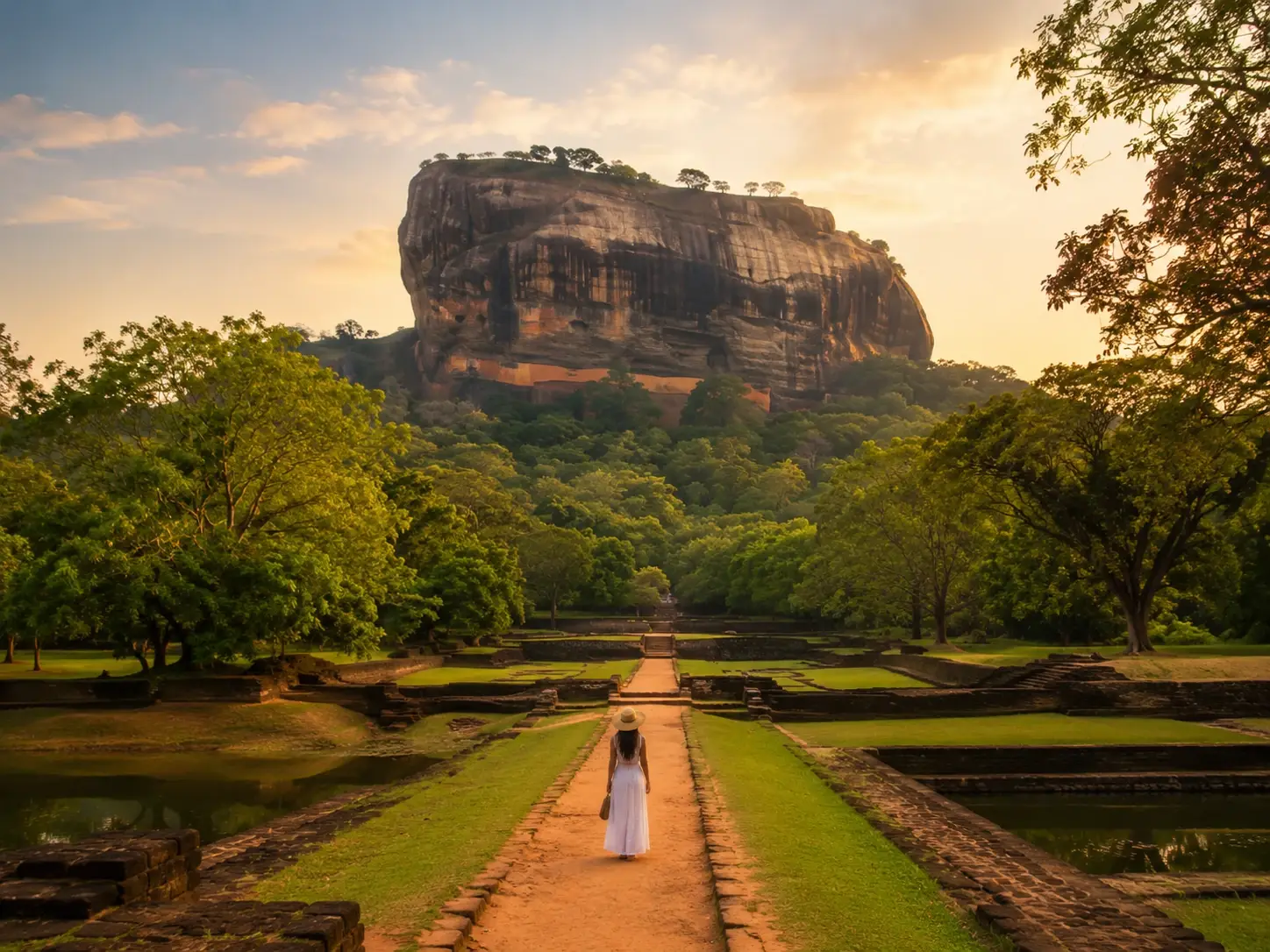
A high-trust cultural route covering Sigiriya, Dambulla, Polonnaruwa, Kandy, and Ella with private transport and curated accommodation.
Best for first-time travellers
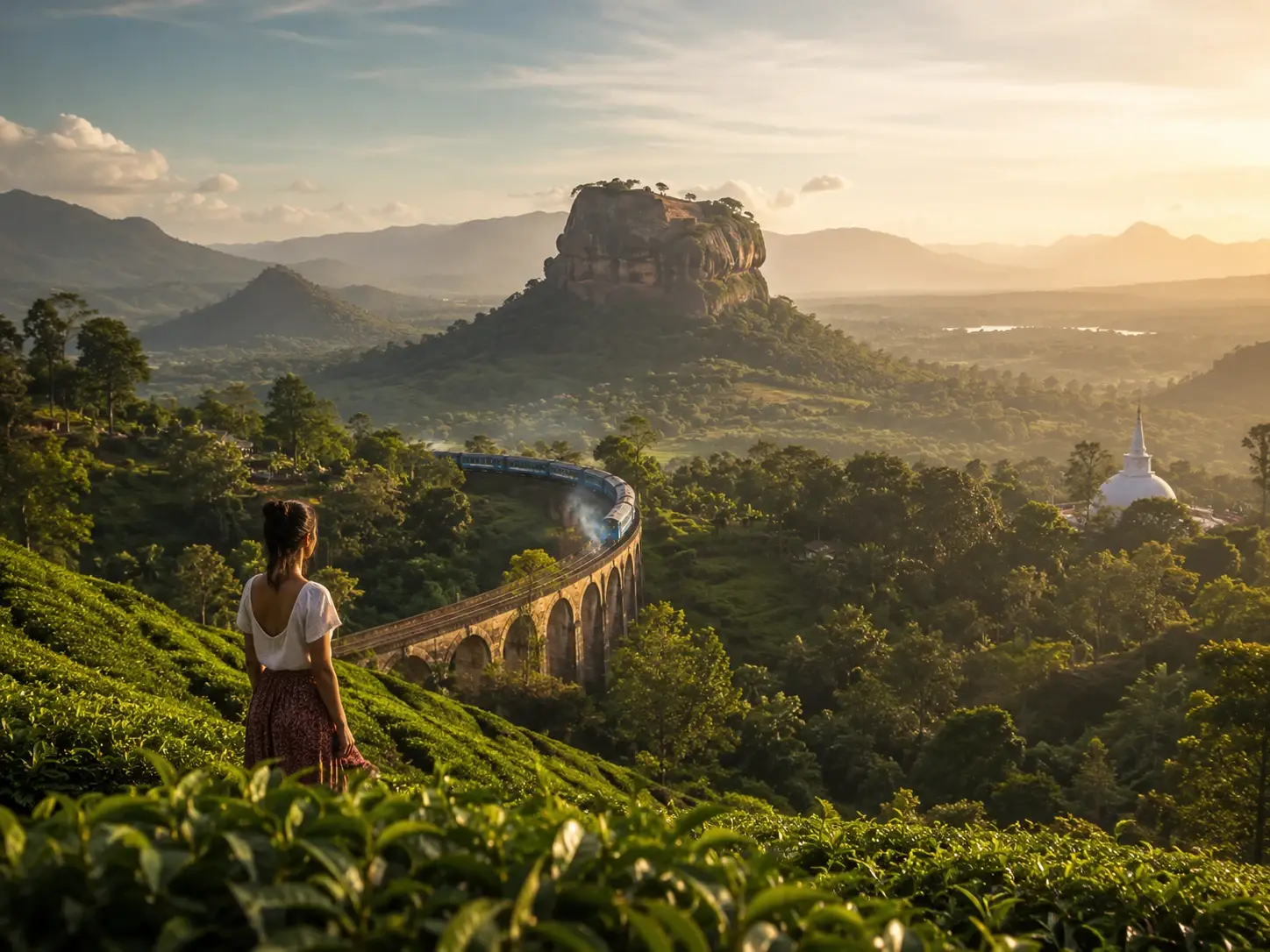
A long-format journey connecting Sri Lanka’s strongest regions without rushing every day into a checklist.
Best for full island trips
Sri Lanka has two monsoons hitting opposite coasts, so there is no single best month. A month-by-month comparison of the southwest coast, east coast, Cultural Triangle and hill country.
Sri Lanka in 7 Days: How to Plan a Realistic First WeekWhat actually fits into seven days in Sri Lanka, what to cut, and how transfer times, train booking and driver choice shape the week.
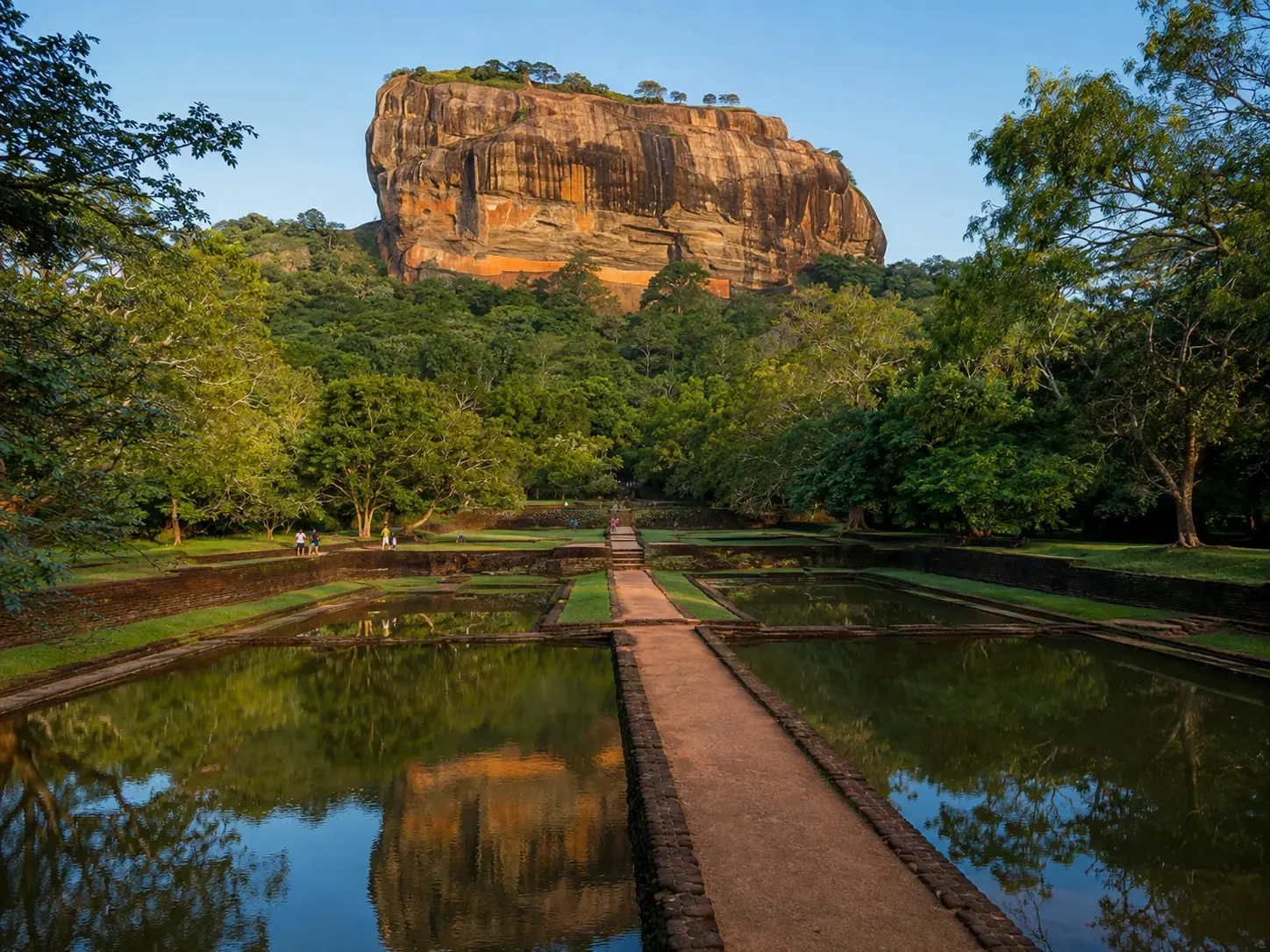
Sigiriya is one of the most recognisable attractions in Sri Lanka and remains a core stop in island itineraries built around history, archaeology, and landscape views.
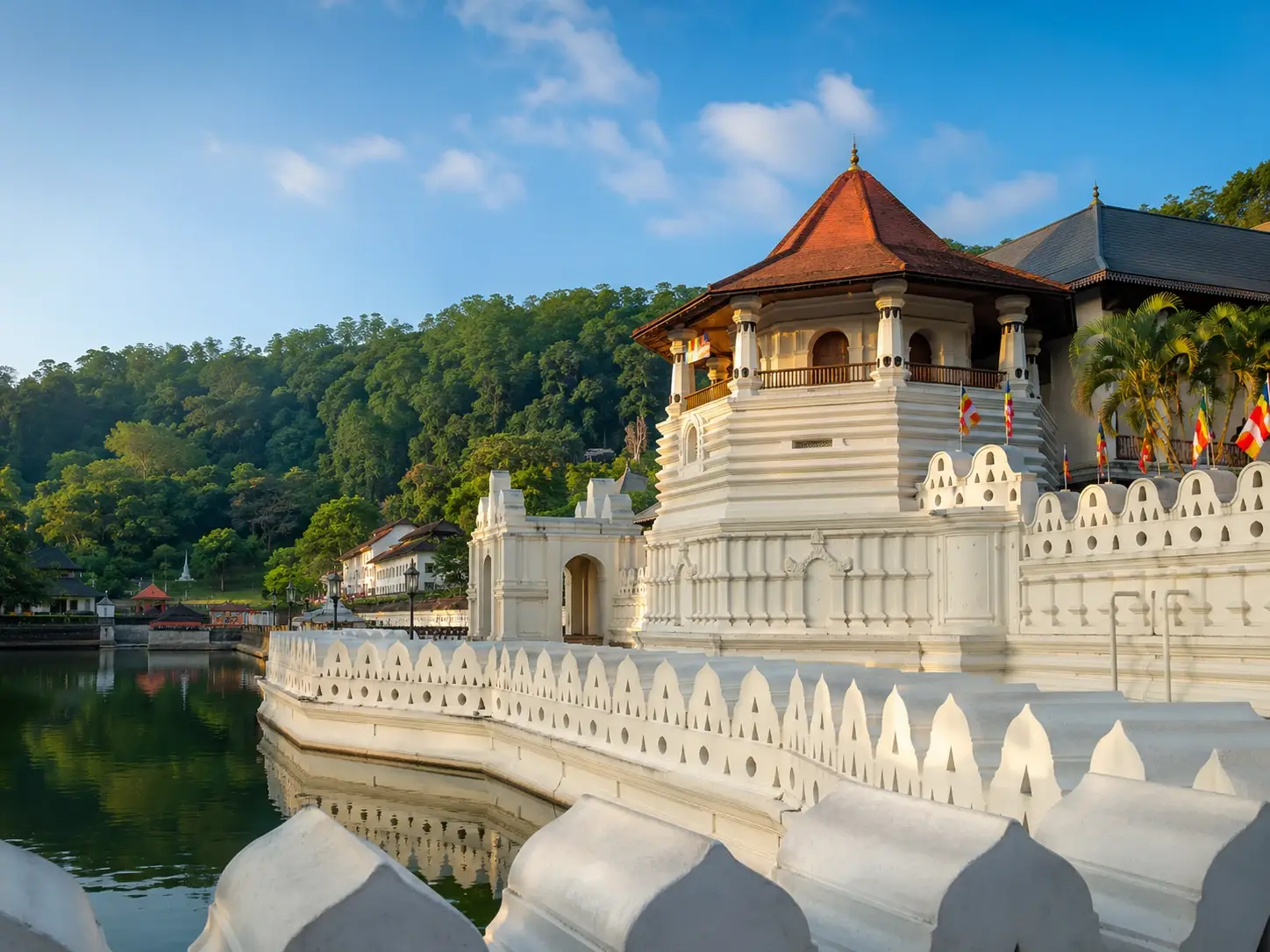
Kandy is one of the island’s most important cultural cities and works especially well as a transition point between the Cultural Triangle and the hill country.
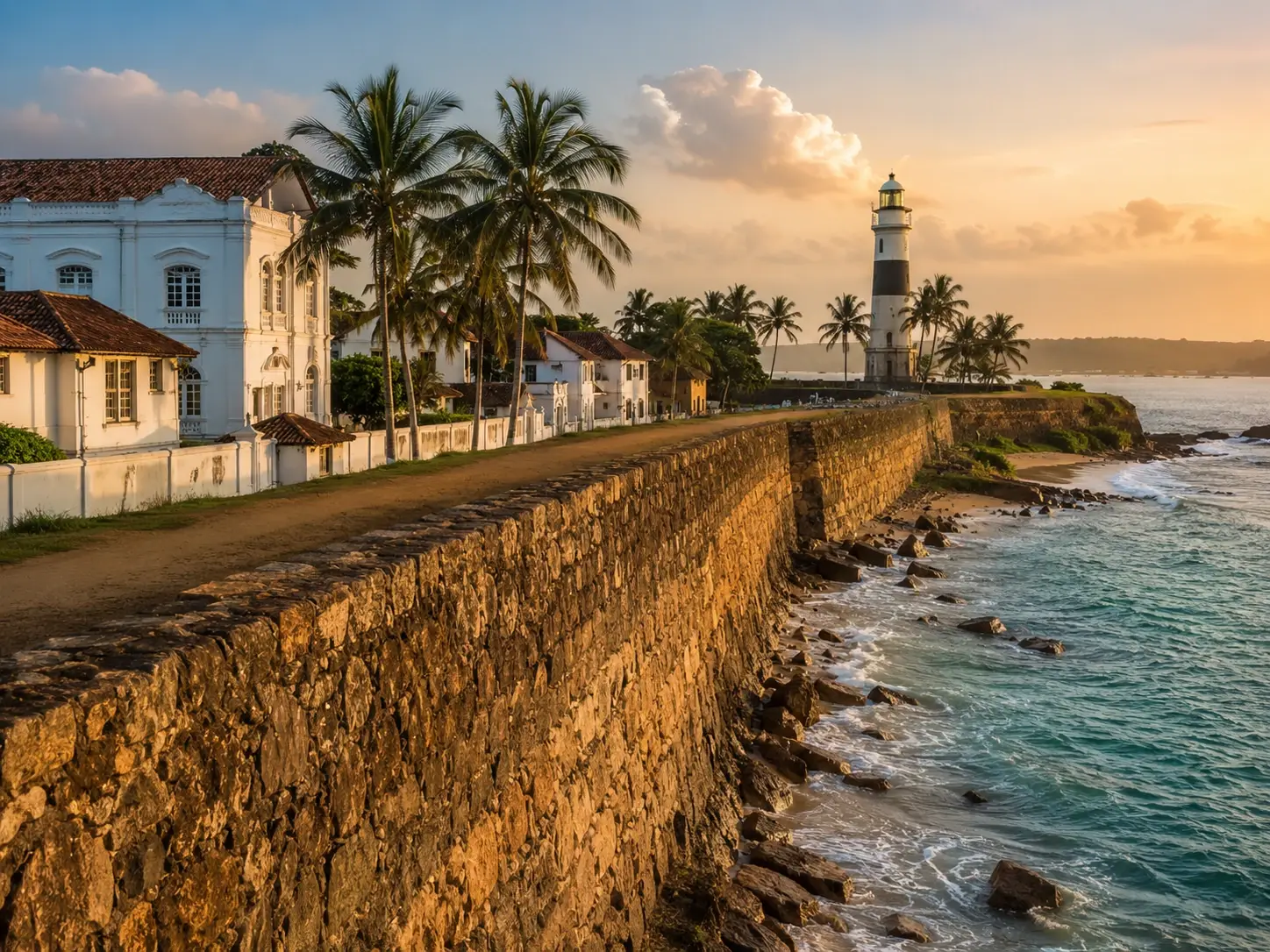
Galle is the anchor destination of the southwest coast for travellers who want more than a beach stop and prefer atmosphere, architecture, and easy walkability.