
Best time to visit
The most comfortable southwest-coast conditions are usually between November and April, when rain is lower and beach conditions are calmer.
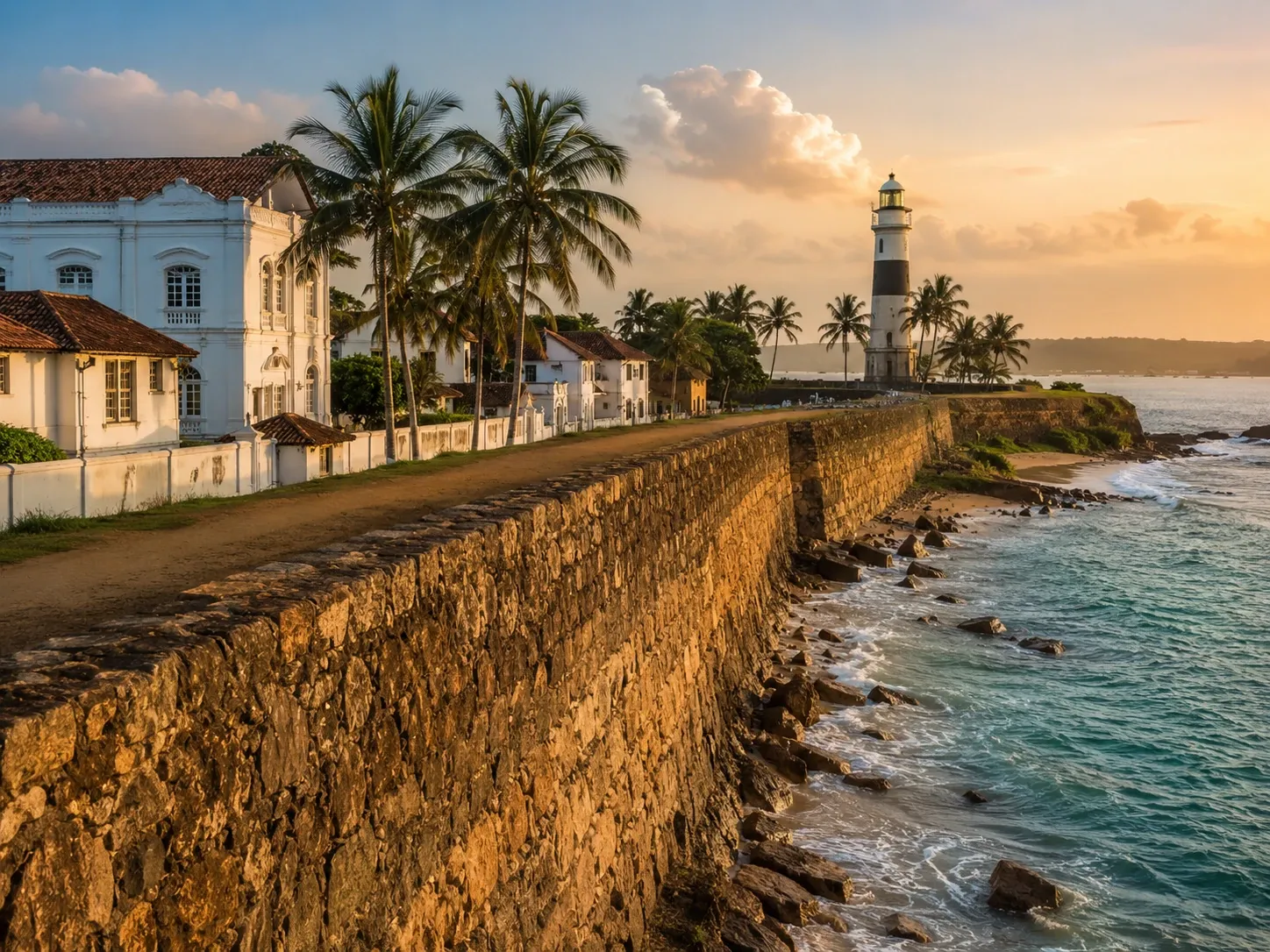
Fortified old town, colonial layers, and the strongest built-heritage stop on the coast.
Galle is the anchor destination of the southwest coast for travellers who want more than a beach stop and prefer atmosphere, architecture, and easy walkability.
The fort reflects Portuguese, Dutch, and British colonial layers and remains one of the most recognisable heritage sites on the island’s southern coast.
The most comfortable southwest-coast conditions are usually between November and April, when rain is lower and beach conditions are calmer.
Galle is easy to reach from Colombo by road and is frequently combined with Unawatuna, Weligama, and Mirissa on coastal routes.
Galle Fort is a walled Dutch colonial town on a promontory, still lived in rather than preserved as a museum, and it is the most immediately walkable historic place in Sri Lanka. Ramparts, streets of colonnaded houses, cafés and small museums, all within an area you can cross in fifteen minutes. It is also the easiest cultural stop to combine with beach time.
One night inside or near the fort, two if you want the beaches either side as well. A half-day visit works if you are staying on the south coast, but the fort is at its best in the early evening when the day-trippers leave and people walk the ramparts at sunset.
The southwest coast is at its best from December to February, with the southwest monsoon bringing rain roughly May to September. Within the day, late afternoon into sunset is the fort’s best hour, both for light and for temperature — the ramparts are exposed and hot at midday.
The southern expressway makes this one of the easier journeys in the country: approximately two to two and a half hours from Colombo or the airport, traffic permitting. Around two hours from Yala, and under an hour from Mirissa. There is also a coastal train, slower but scenic.
Almost everyone, which is unusual. It is flat, compact and walkable, so it suits families, older travellers and anyone who has had enough of climbing things. The ramparts have uneven surfaces and no railings in places, which is worth knowing with small children.
Visiting at midday in transit and concluding it is a tourist trap. Staying far outside and missing the evening. Assuming the fort has a beach — swimming is at Unawatuna and elsewhere nearby, not inside the walls. And planning it during the southwest monsoon while expecting beach weather.
Unawatuna is minutes away, Mirissa under an hour east, Bentota an hour or so north. Yala is around two hours if the route continues to wildlife.
Individual museums and sites within the fort set their own hours and admission, and these vary. The fort itself is a living town and free to walk.
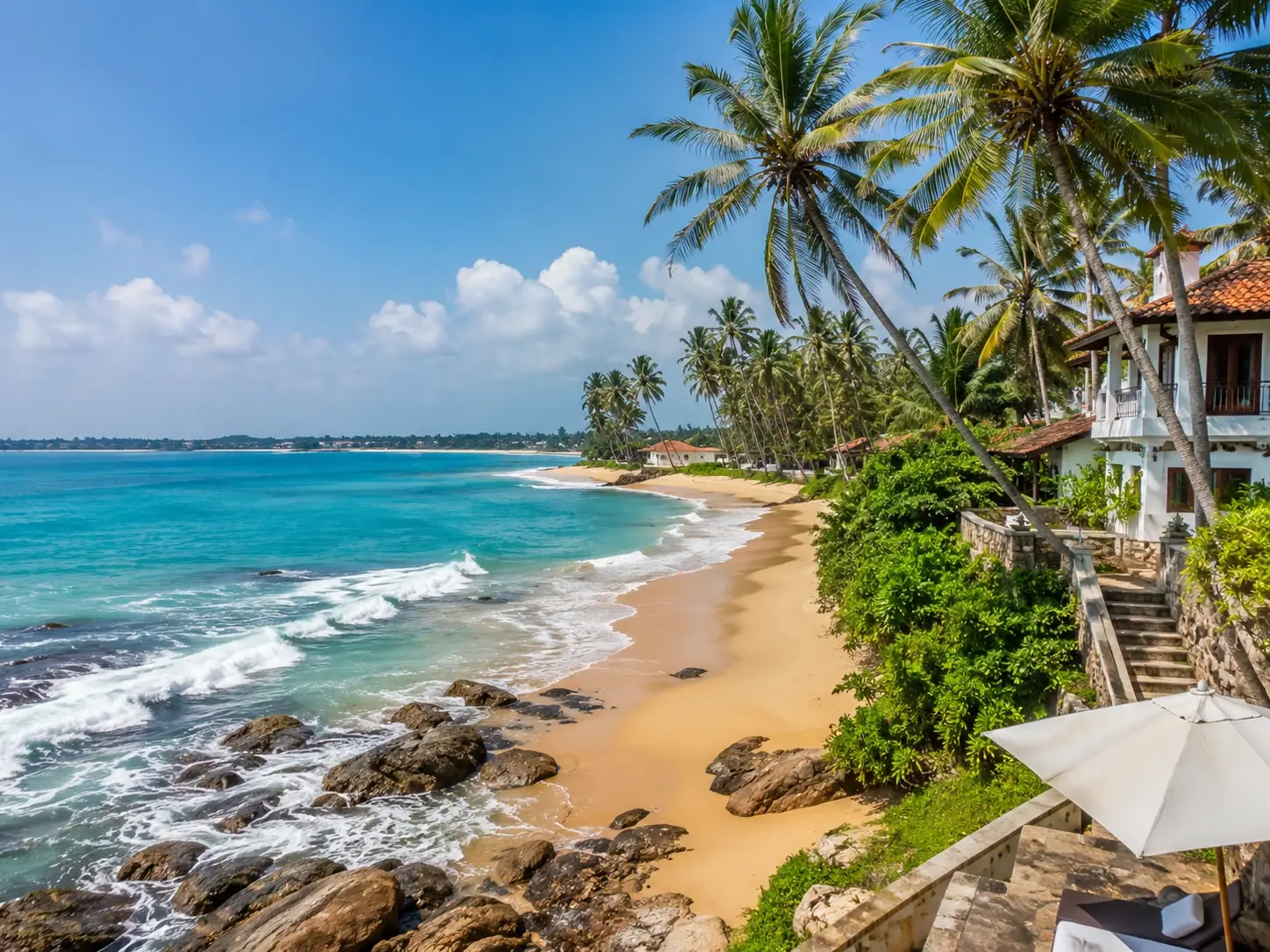
A compact private coastal package covering Galle, Mirissa, and Weligama with transport, accommodation, and flexible add-ons.
Best for beach breaks
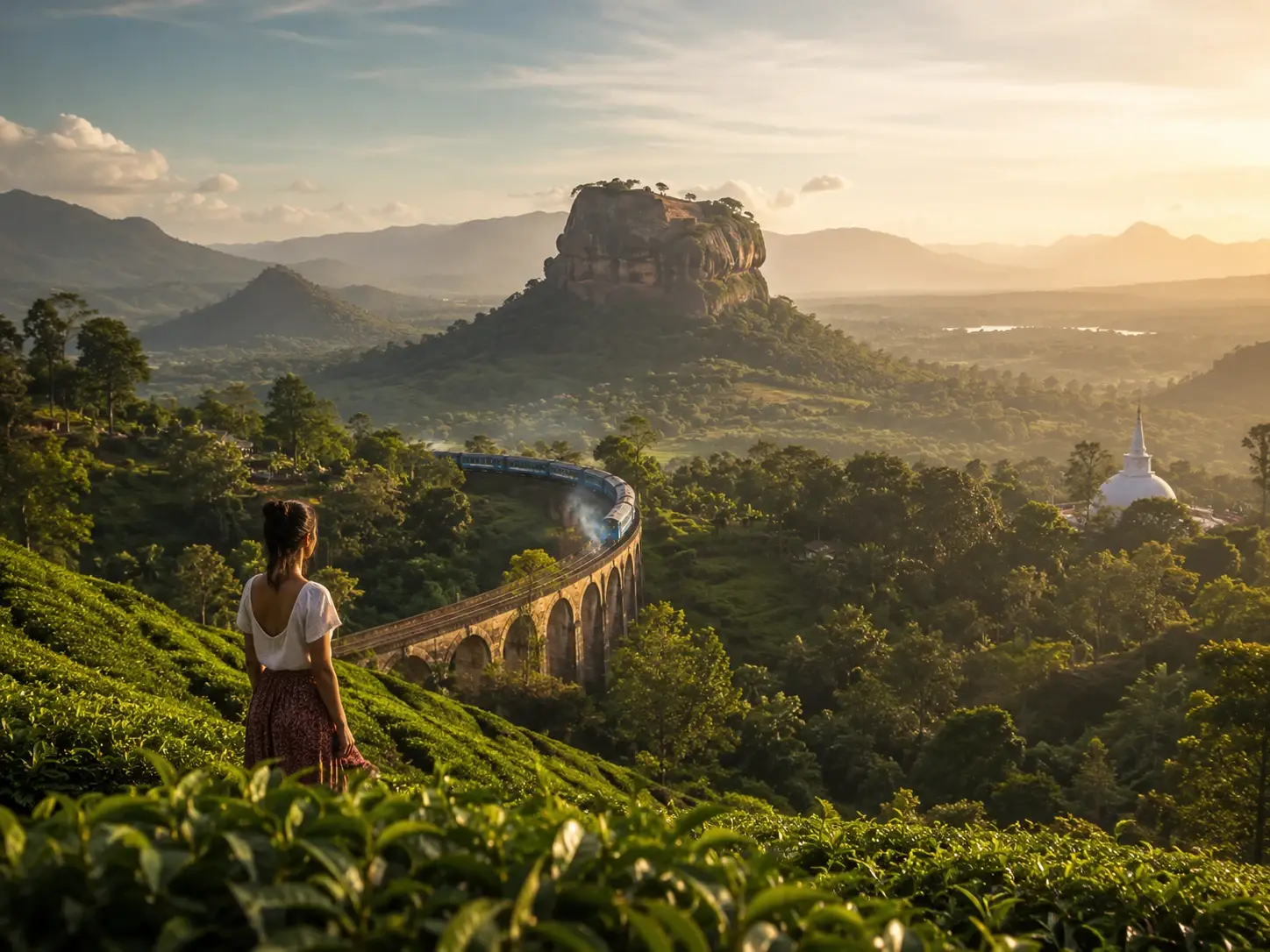
A long-format journey connecting Sri Lanka’s strongest regions without rushing every day into a checklist.
Best for full island trips
Sri Lanka has two monsoons hitting opposite coasts, so there is no single best month. A month-by-month comparison of the southwest coast, east coast, Cultural Triangle and hill country.
Sri Lanka in 7 Days: How to Plan a Realistic First WeekWhat actually fits into seven days in Sri Lanka, what to cut, and how transfer times, train booking and driver choice shape the week.
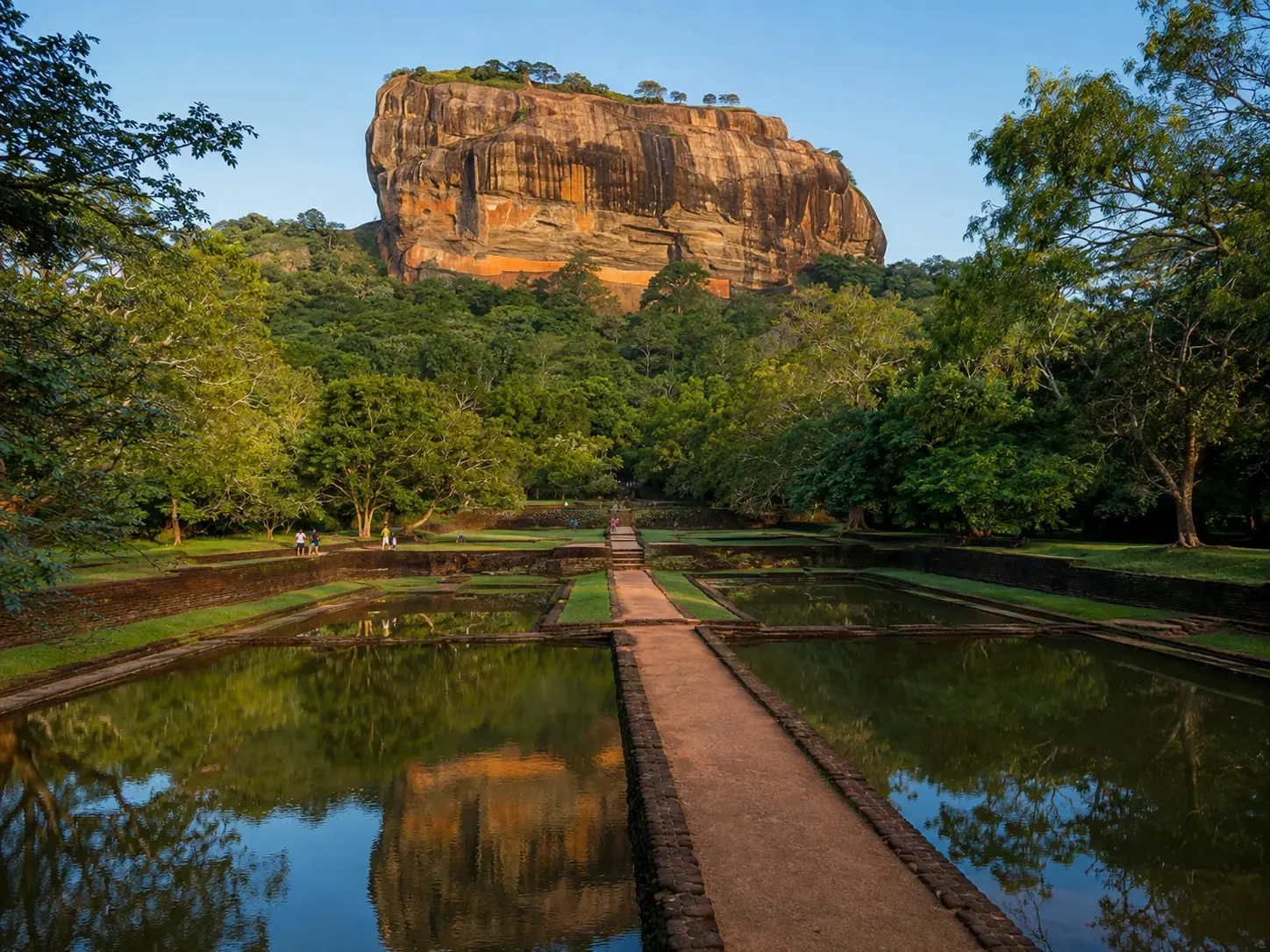
Sigiriya is one of the most recognisable attractions in Sri Lanka and remains a core stop in island itineraries built around history, archaeology, and landscape views.
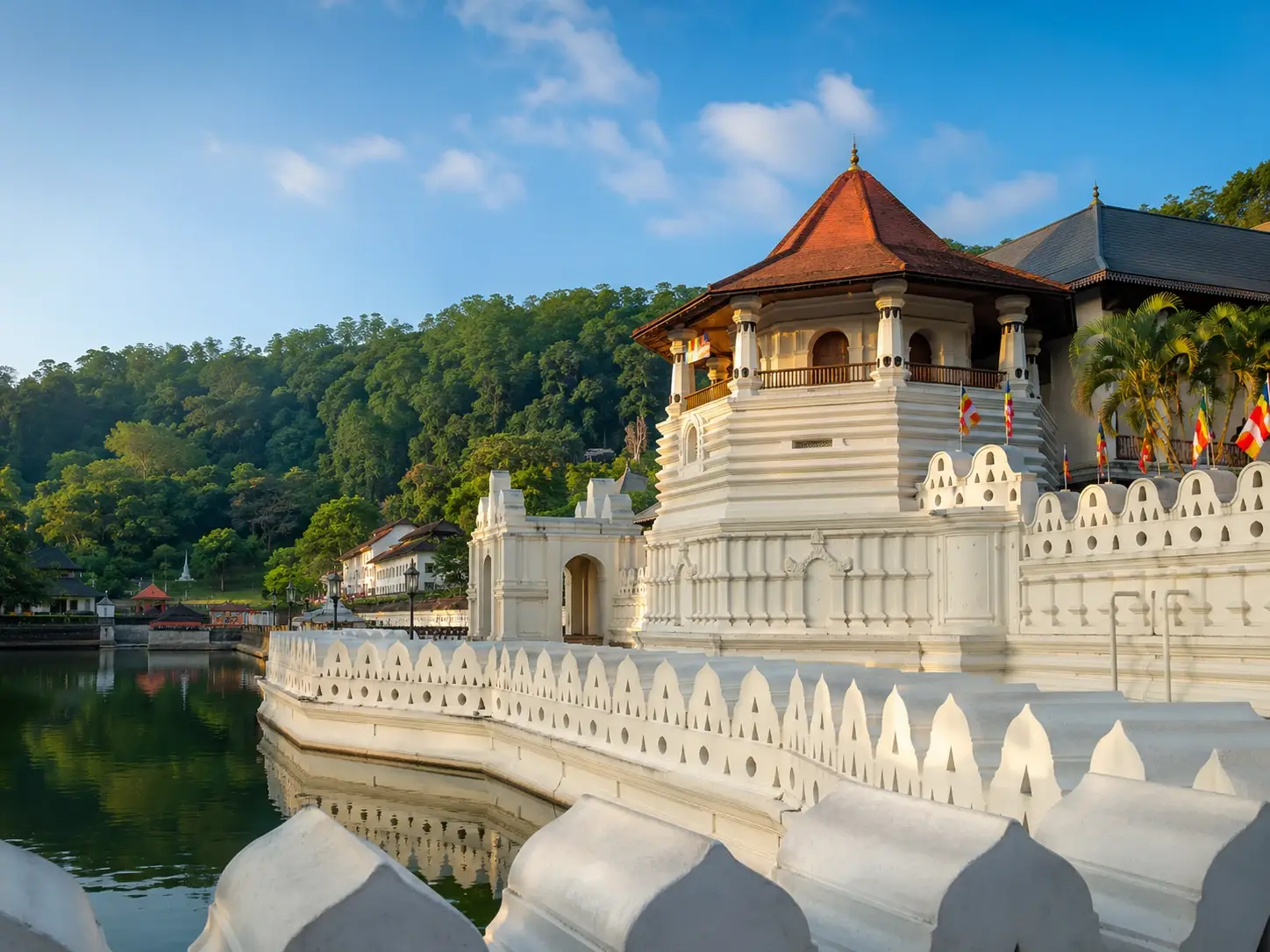
Kandy is one of the island’s most important cultural cities and works especially well as a transition point between the Cultural Triangle and the hill country.
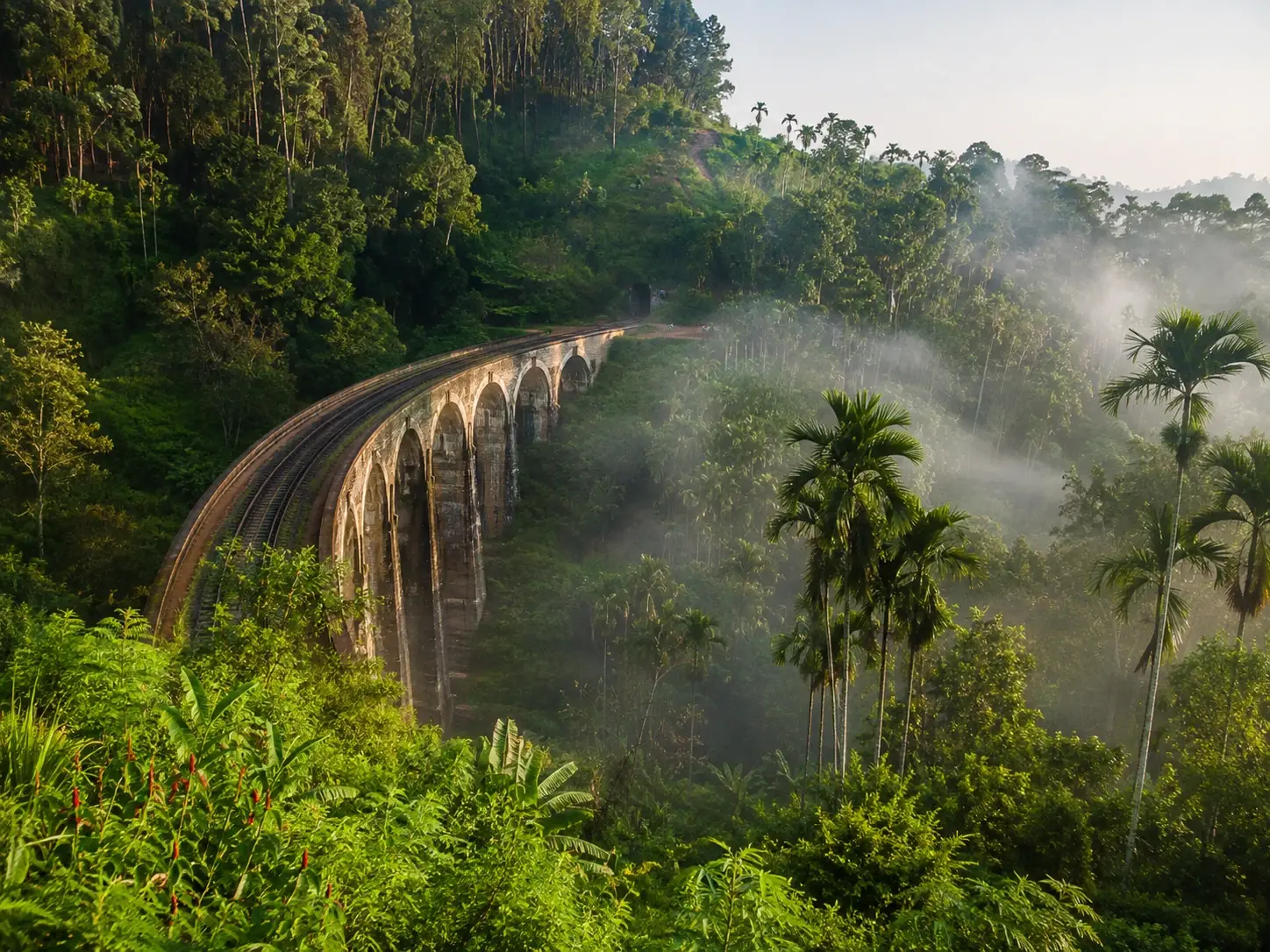
Ella is one of the island’s strongest visual destinations and works best as a slower hill-country section between cultural travel and the south.