
Best time to visit
The clearest and most comfortable climbs are usually in the drier months from December to April, but early starts matter more than the month itself.
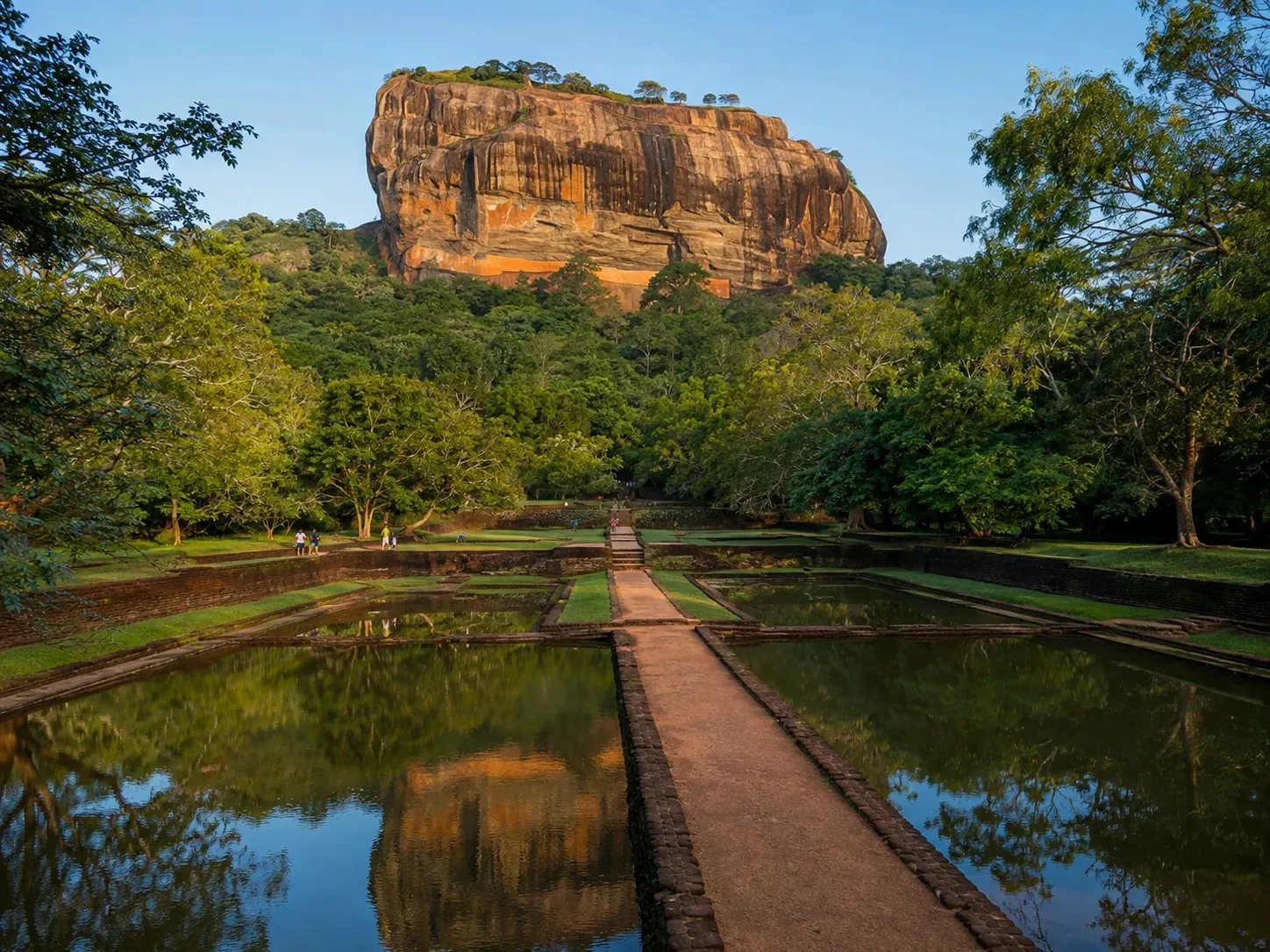
Ancient rock fortress and one of Sri Lanka’s signature first-visit landmarks.
Sigiriya is one of the most recognisable attractions in Sri Lanka and remains a core stop in island itineraries built around history, archaeology, and landscape views.
The rock fortress is tied to King Kashyapa and the 5th-century palace complex on the summit, while the surrounding gardens and ruins give the site its wider historical depth.
The clearest and most comfortable climbs are usually in the drier months from December to April, but early starts matter more than the month itself.
Sigiriya is commonly reached by road from Colombo, Kandy, or nearby Habarana and is usually paired with Dambulla, Polonnaruwa, or Minneriya.
Sigiriya is a fifth-century royal citadel built on top of a 200-metre granite outcrop, and the reason it justifies its reputation is not the summit view alone but the engineering around it: symmetrical water gardens at the base that still fill in the rains, a mirrored wall, and frescoes sheltered in a rock pocket halfway up. Most first-time itineraries include it, and unusually for a famous site, it earns the place.
Half a day for the rock itself, and one to two nights in the area. Sigiriya works better as a base than a stop, because the surrounding Cultural Triangle — Dambulla, Polonnaruwa, Minneriya — is spread out, and staying nearby is what makes an early start possible.
The Cultural Triangle sits in the dry zone and is workable year-round; official guidance points to March and April, though that is also when the heat is most punishing. The far more important variable is the hour. Start at opening. The climb is steep, largely unshaded metal and stone stairway, and by mid-morning it is both hot and queued. An early start changes the experience more than choosing a different month.
Sigiriya is reached by road. Approximate journey times, which vary with traffic and road conditions: four to five hours from Bandaranaike International Airport, around three hours from Kandy, and roughly an hour from Dambulla. There is no useful train connection, so this is a driving destination.
It suits anyone reasonably mobile who wants one landmark that lives up to the pictures. It is genuinely demanding: over a thousand steps, exposed sections, narrow metal staircases and a head for heights required at the spiral stair to the frescoes. Travellers who would rather not climb, or who are visiting with very young children or limited mobility, are often better served by Pidurangala opposite — a rougher scramble but shorter — or by Dambulla’s cave temple, which delivers comparable interest at a fraction of the effort.
Arriving at eleven. Wearing sandals. Assuming the climb takes twenty minutes when the ascent, the frescoes and the descent are closer to two to three hours with a group. Booking a hotel an hour away and losing the early start. And treating Pidurangala and Sigiriya as interchangeable — Pidurangala is the better viewpoint of the rock, Sigiriya is the site itself.
Dambulla is under an hour away and pairs naturally into the same day. Polonnaruwa is roughly an hour and a half and works as a full day of its own. Minneriya and Kaudulla are close for wildlife. Kandy is around three hours, which is the usual next leg.
Ticketing, opening hours and any access restrictions are set by the Central Cultural Fund and the Department of Archaeology and do change. We confirm current arrangements when your dates are fixed rather than publishing figures here that may be out of date by the time you travel.
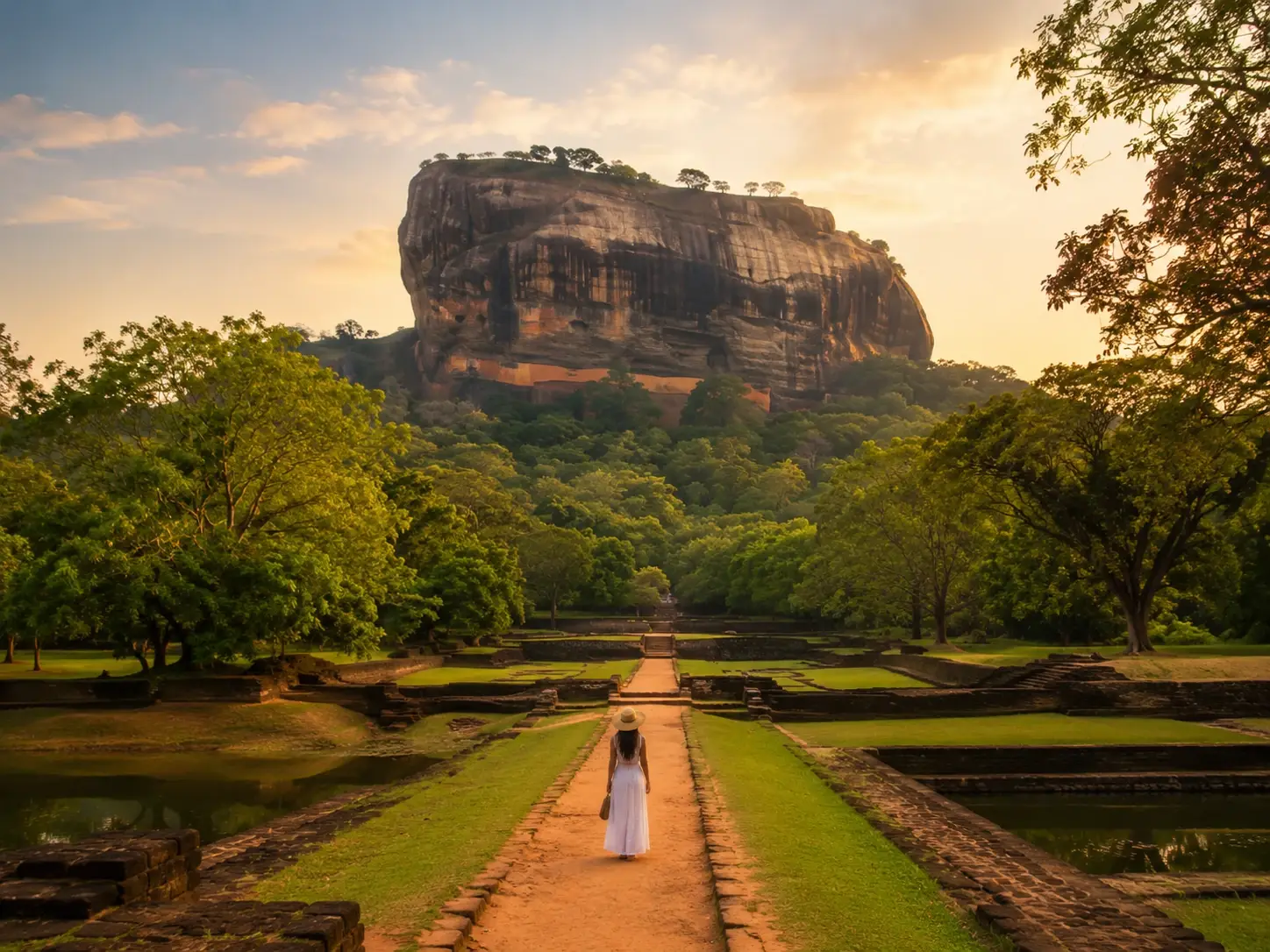
A high-trust cultural route covering Sigiriya, Dambulla, Polonnaruwa, Kandy, and Ella with private transport and curated accommodation.
Best for first-time travellers
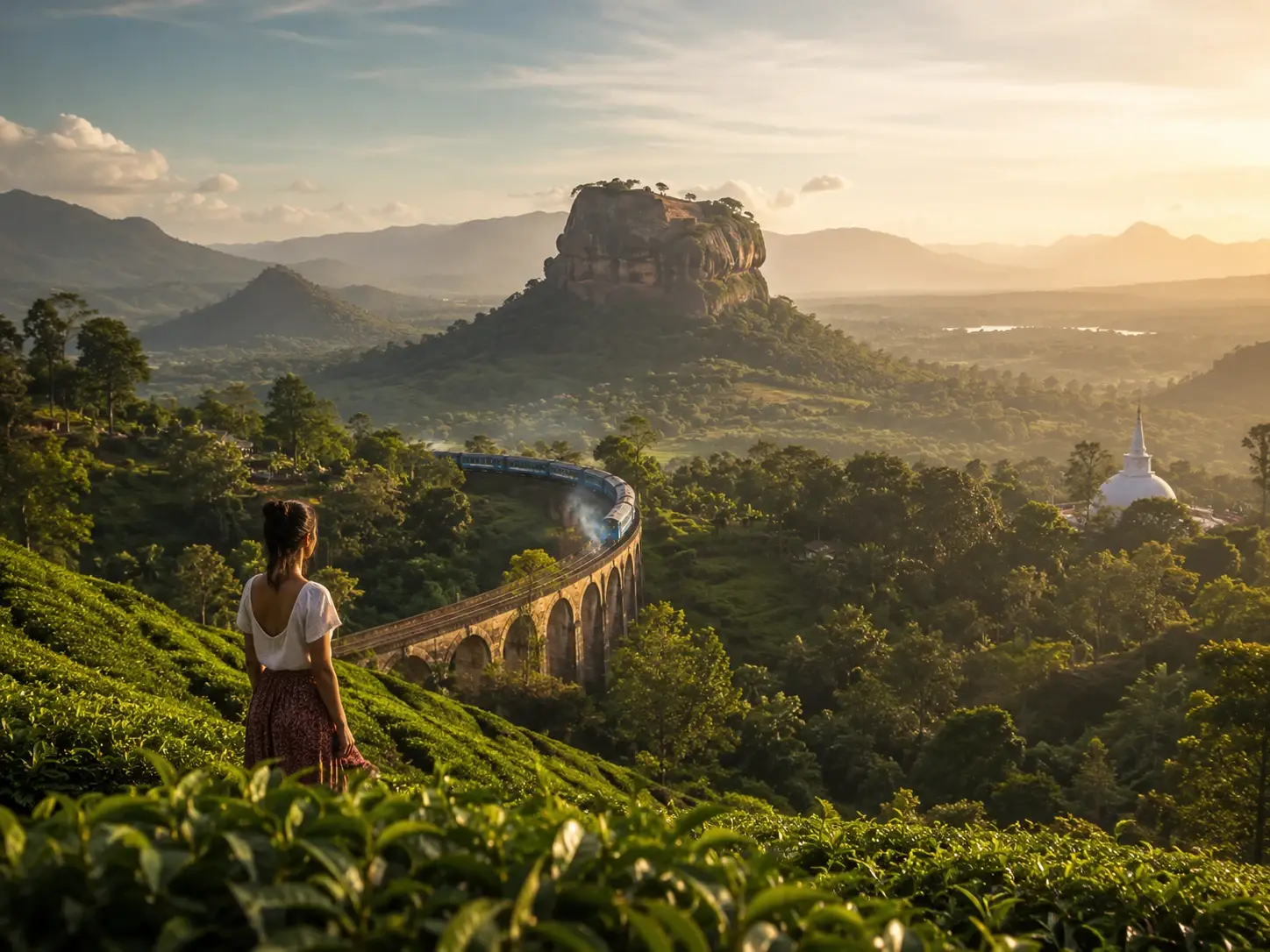
A long-format journey connecting Sri Lanka’s strongest regions without rushing every day into a checklist.
Best for full island trips
Sri Lanka has two monsoons hitting opposite coasts, so there is no single best month. A month-by-month comparison of the southwest coast, east coast, Cultural Triangle and hill country.
Sri Lanka in 7 Days: How to Plan a Realistic First WeekWhat actually fits into seven days in Sri Lanka, what to cut, and how transfer times, train booking and driver choice shape the week.
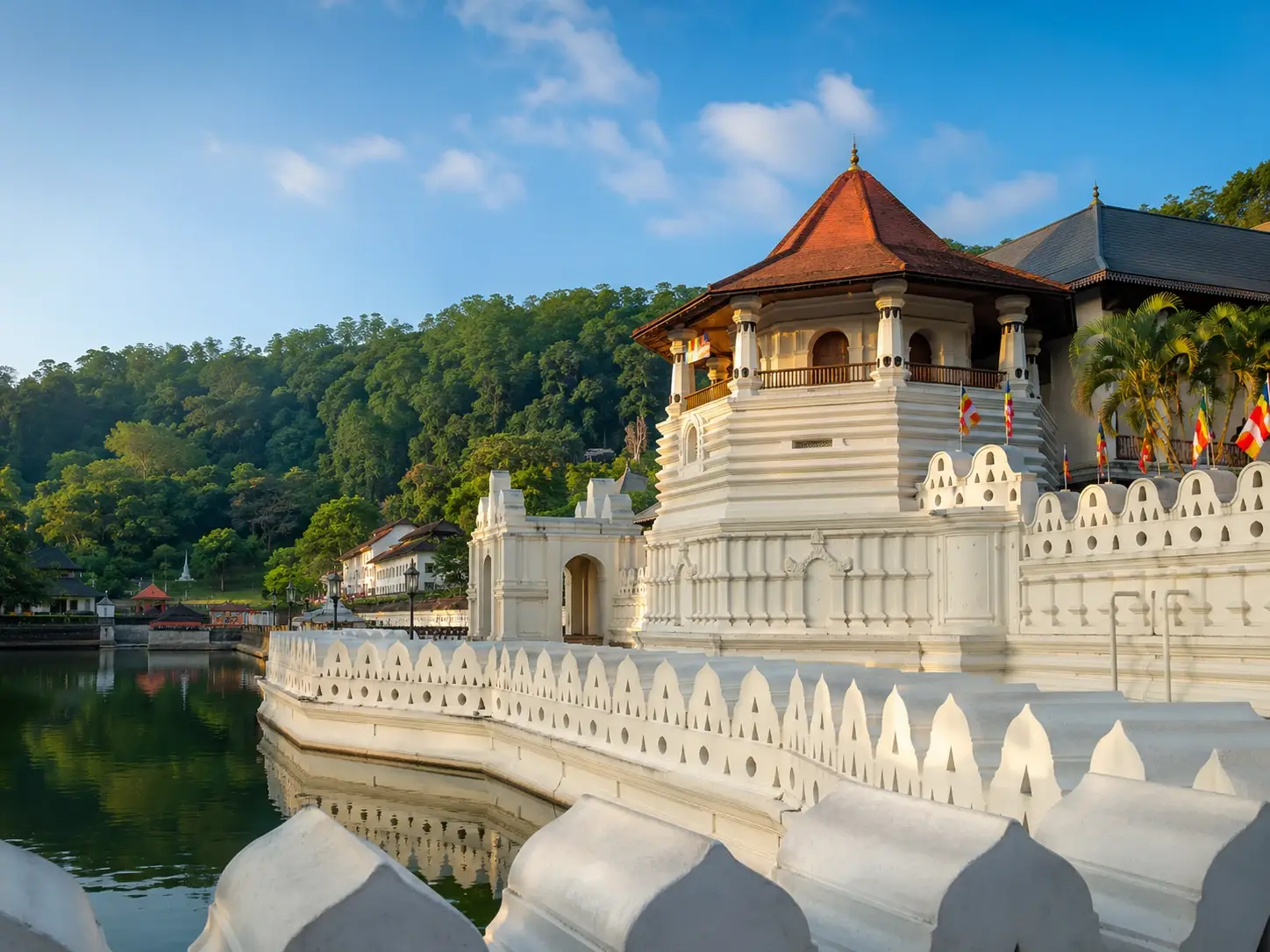
Kandy is one of the island’s most important cultural cities and works especially well as a transition point between the Cultural Triangle and the hill country.
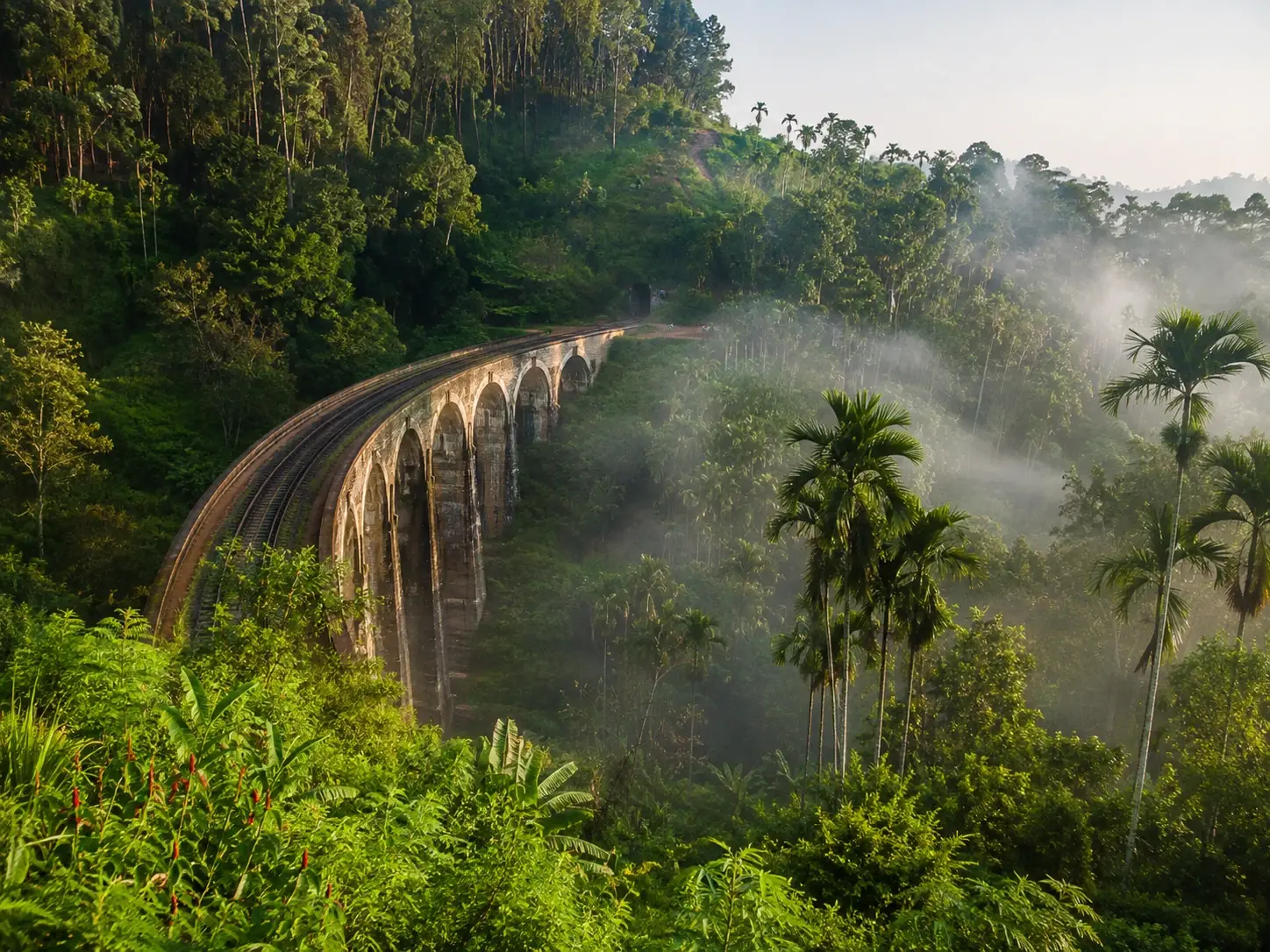
Ella is one of the island’s strongest visual destinations and works best as a slower hill-country section between cultural travel and the south.
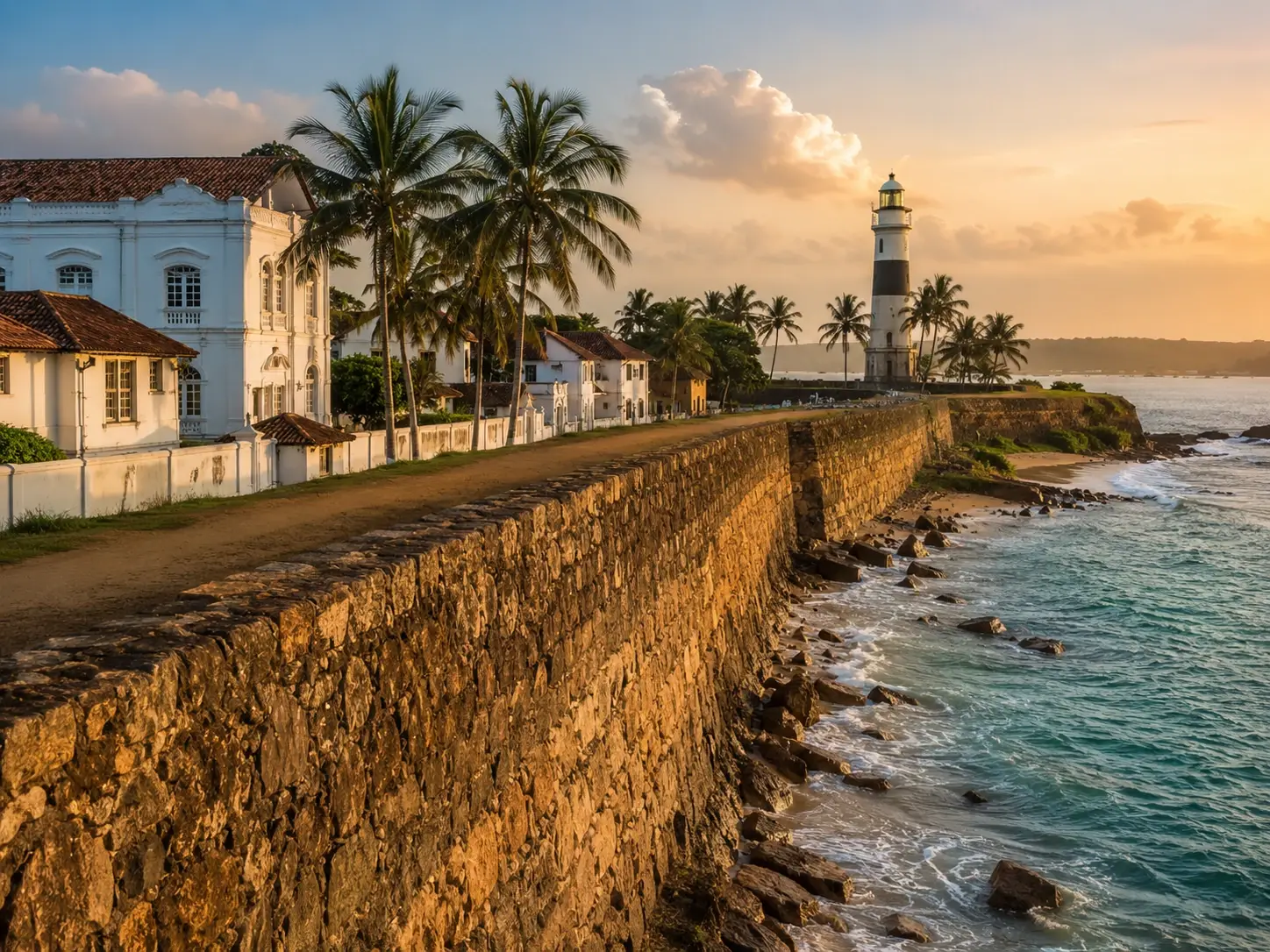
Galle is the anchor destination of the southwest coast for travellers who want more than a beach stop and prefer atmosphere, architecture, and easy walkability.