Best time to visit
Conditions depend on wind and marine activity, but drier months and the relevant kite-surfing seasons shape most visits.
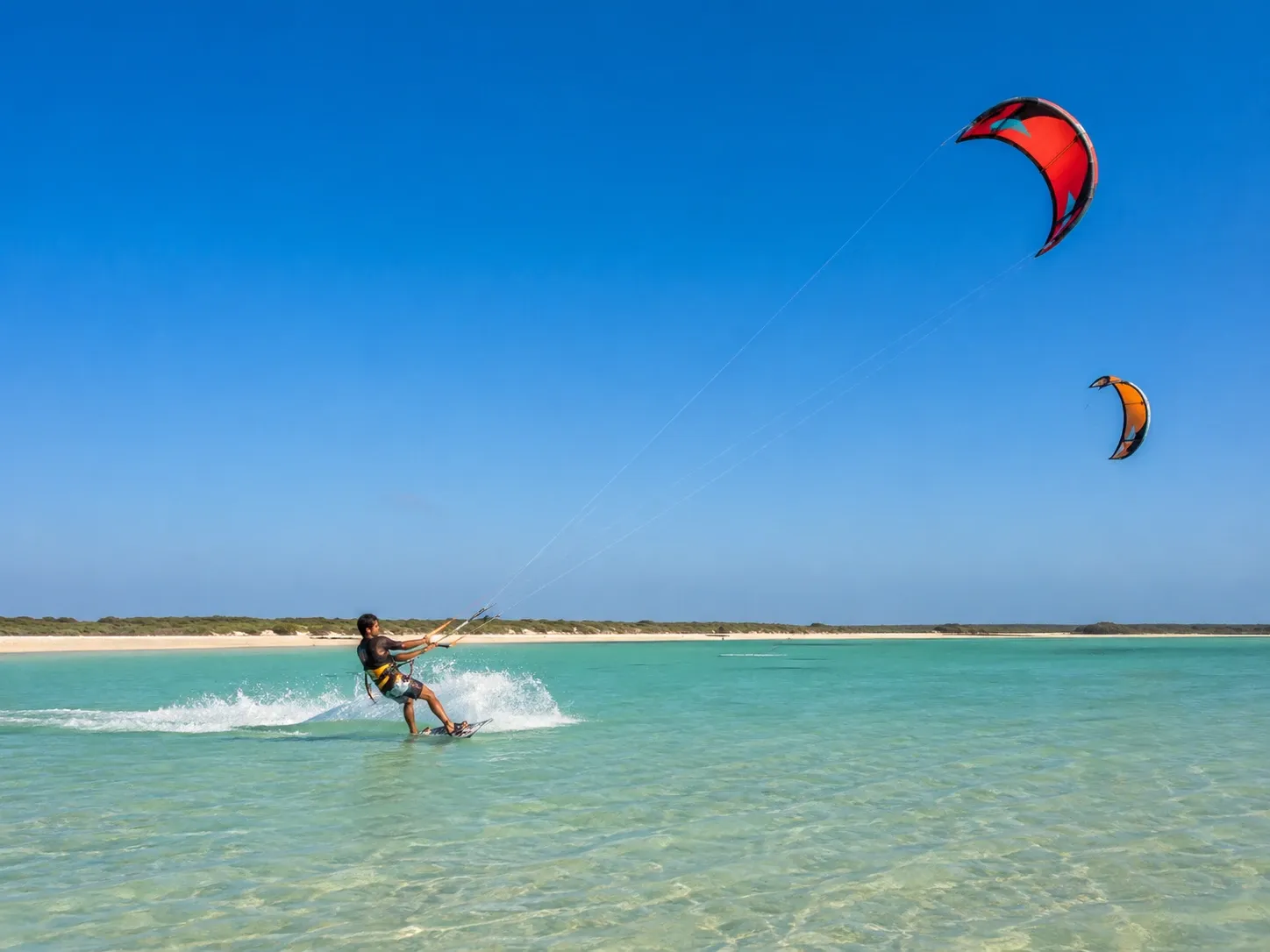
Kite-surfing, marine activity, and lagoon-side coastal travel on the northwest.
Kalpitiya is one of the island’s more specialist coastal destinations and works best for water-sport or marine-interest travellers.
Its tourism profile is comparatively recent and linked to lagoon conditions, wind patterns, and marine excursions rather than heritage monuments.
Conditions depend on wind and marine activity, but drier months and the relevant kite-surfing seasons shape most visits.
It is reached from Colombo or via northwestern routes and can also be combined with Wilpattu or Anuradhapura for broader regional travel.
Kalpitiya is a narrow peninsula separating a large shallow lagoon from the sea, and that geography is what defines it. The lagoon gives flat, consistently windy water, which has made it the country's main kitesurfing centre. Offshore, dolphins are seen regularly in season and sperm and blue whales are possible further out. Sandbanks and the Bar Reef, one of the largest reef systems around Sri Lanka, lie within reach by boat.
Two to four nights for kitesurfing, since wind varies and lessons build over days; one or two if you are there for a boat trip and the beaches. It sits north of Negombo on the west coast, which makes it reachable early in an itinerary without a long transfer.
Kalpitiya has two kite seasons — broadly May to October, which is the stronger and more reliable one, and a shorter window around December to March. Dolphin trips are generally run in the calmer months from about November to April. Accommodation is spread along the lagoon and the peninsula rather than concentrated, so the location within Kalpitiya matters to what your days look like.
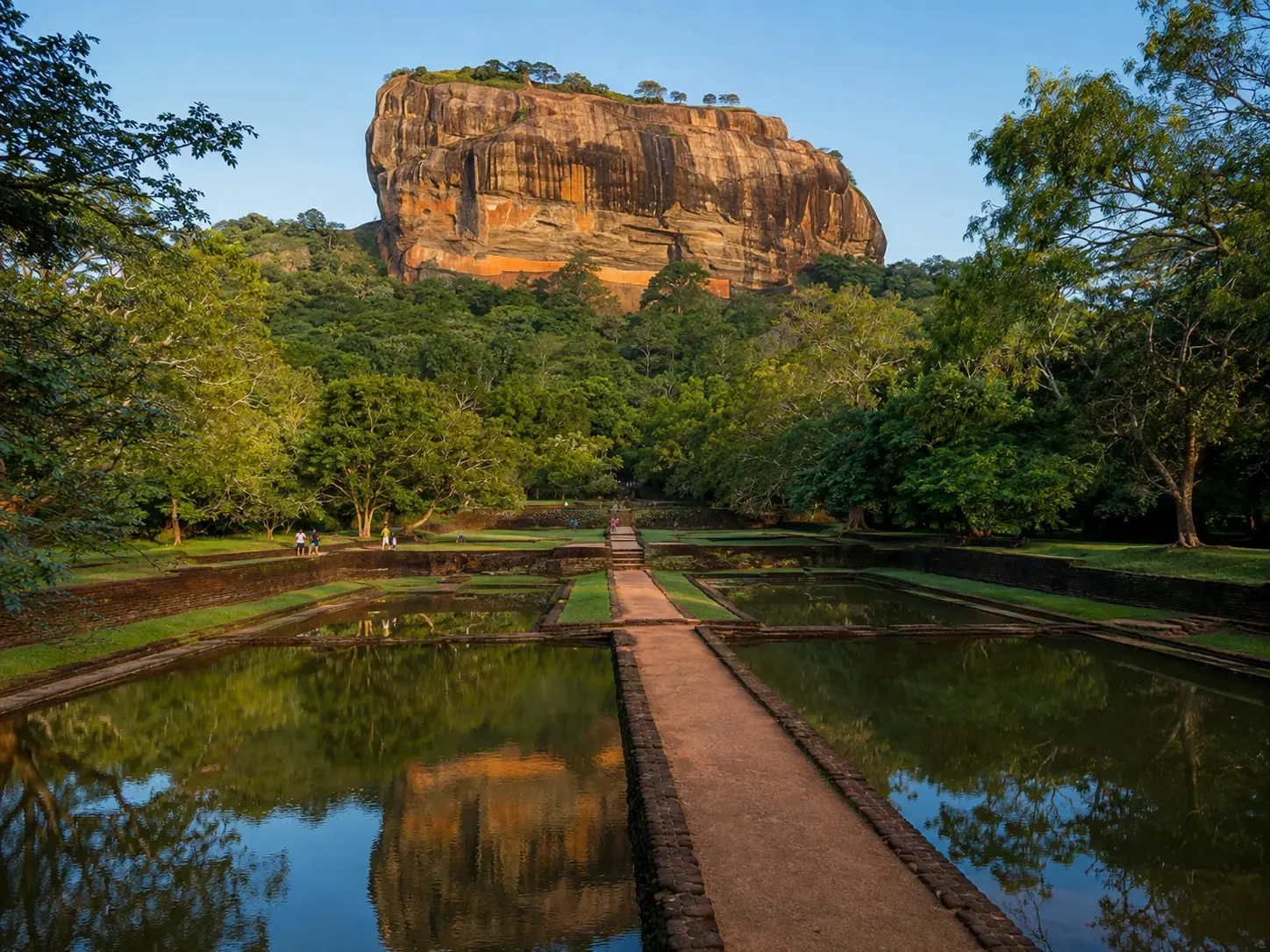
Sigiriya is one of the most recognisable attractions in Sri Lanka and remains a core stop in island itineraries built around history, archaeology, and landscape views.
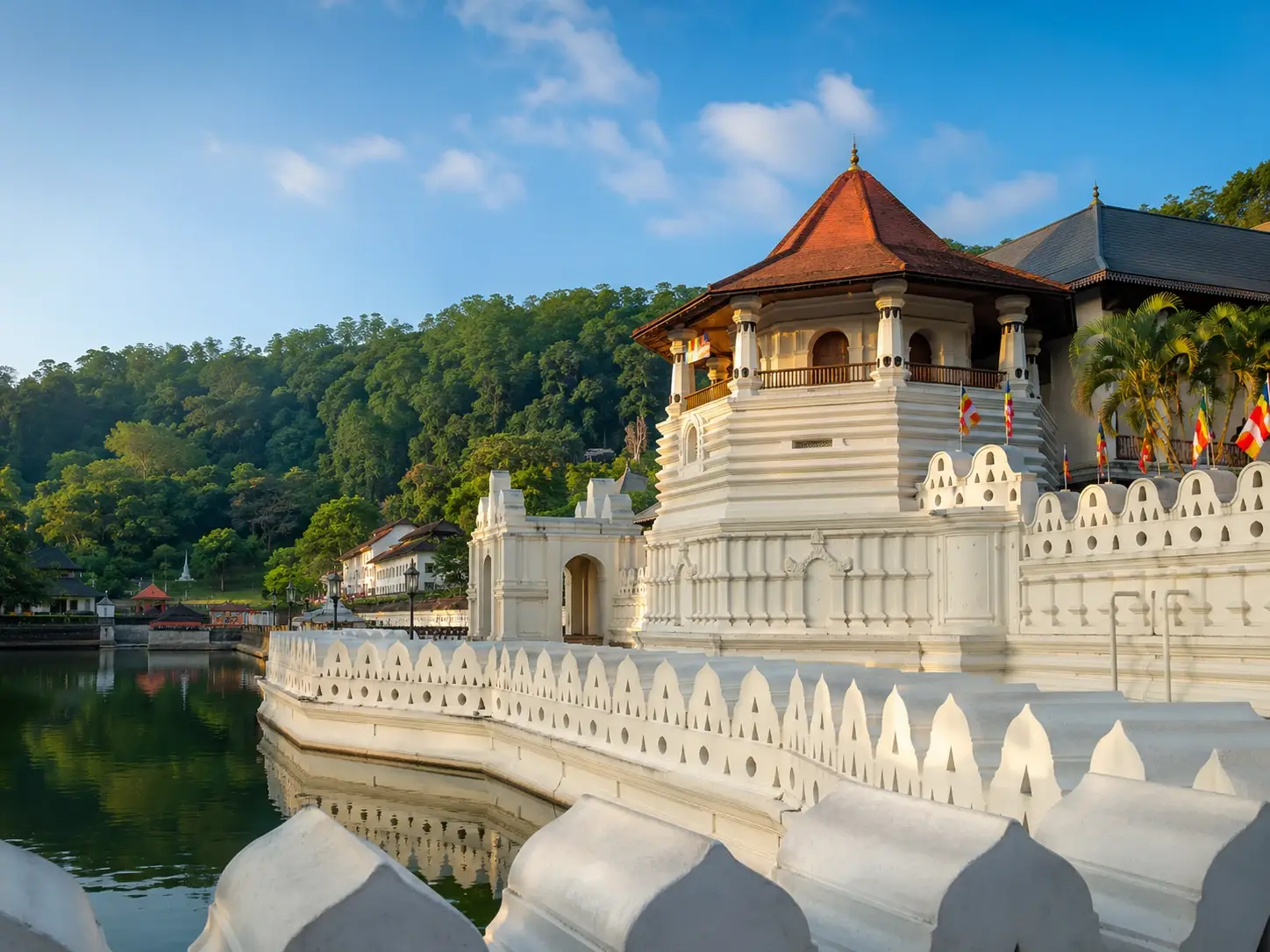
Kandy is one of the island’s most important cultural cities and works especially well as a transition point between the Cultural Triangle and the hill country.
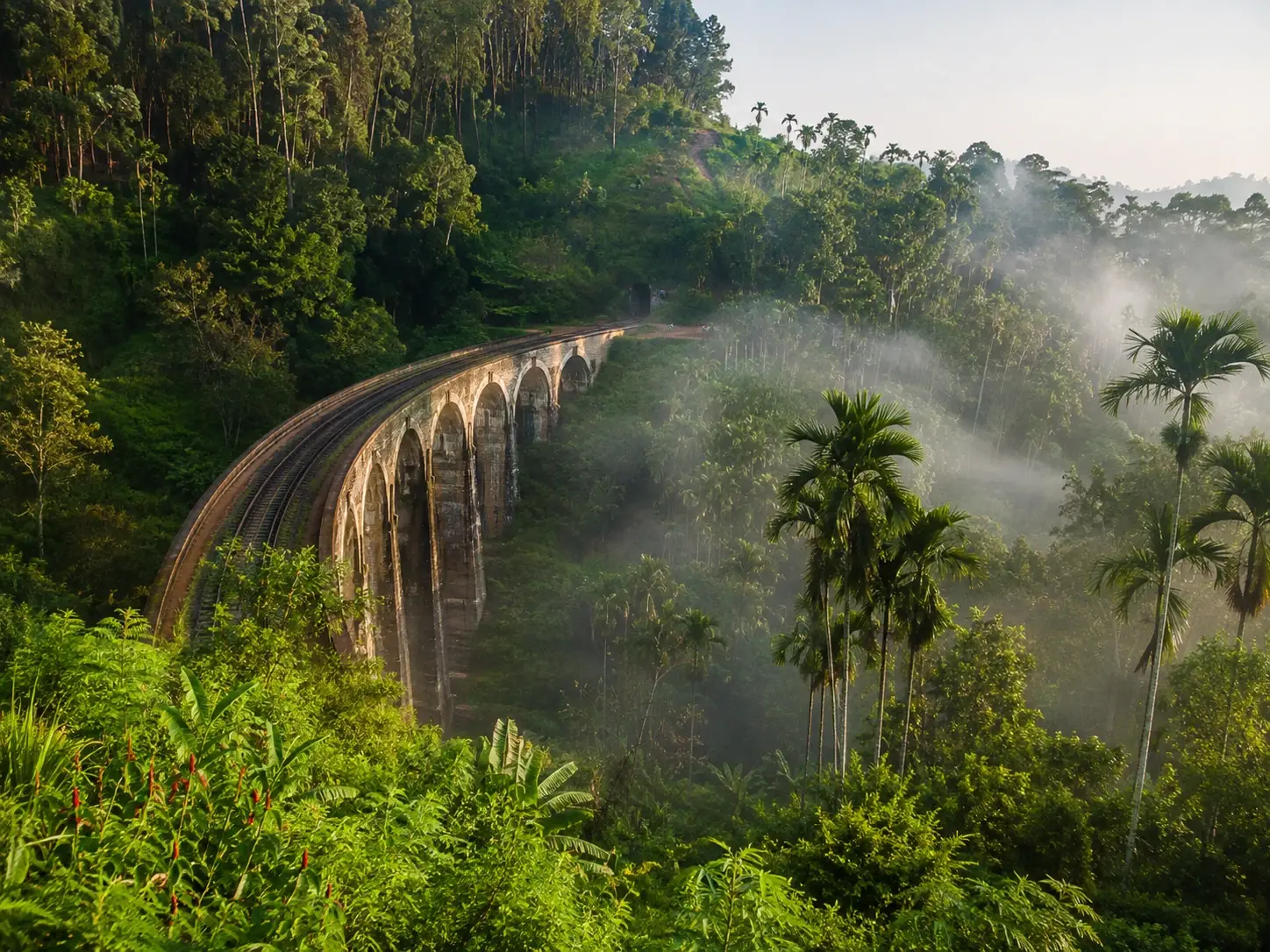
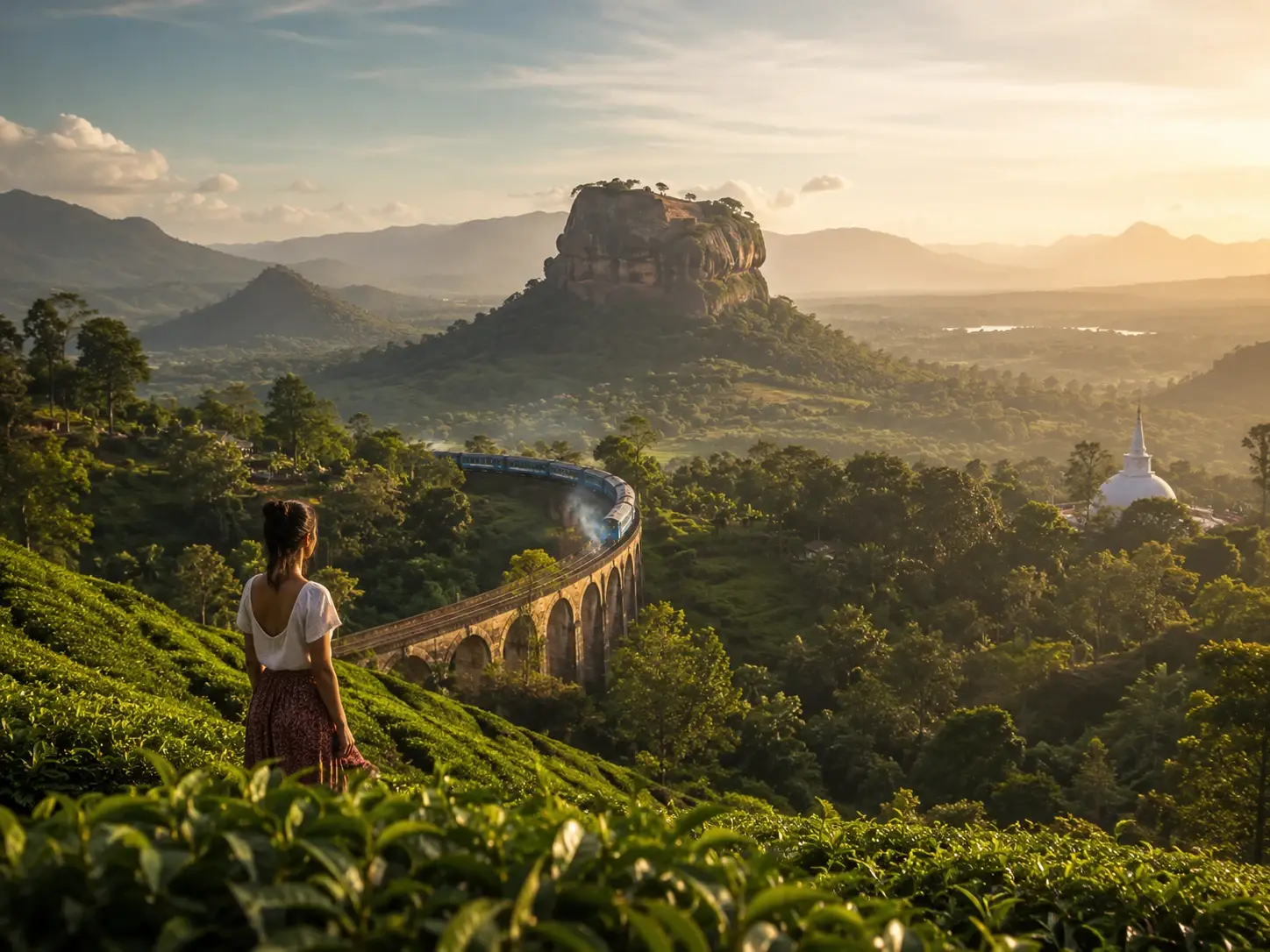
Ella is one of the island’s strongest visual destinations and works best as a slower hill-country section between cultural travel and the south.