
Best time to visit
The most reliable beach and whale-watching conditions are usually found between November and April.
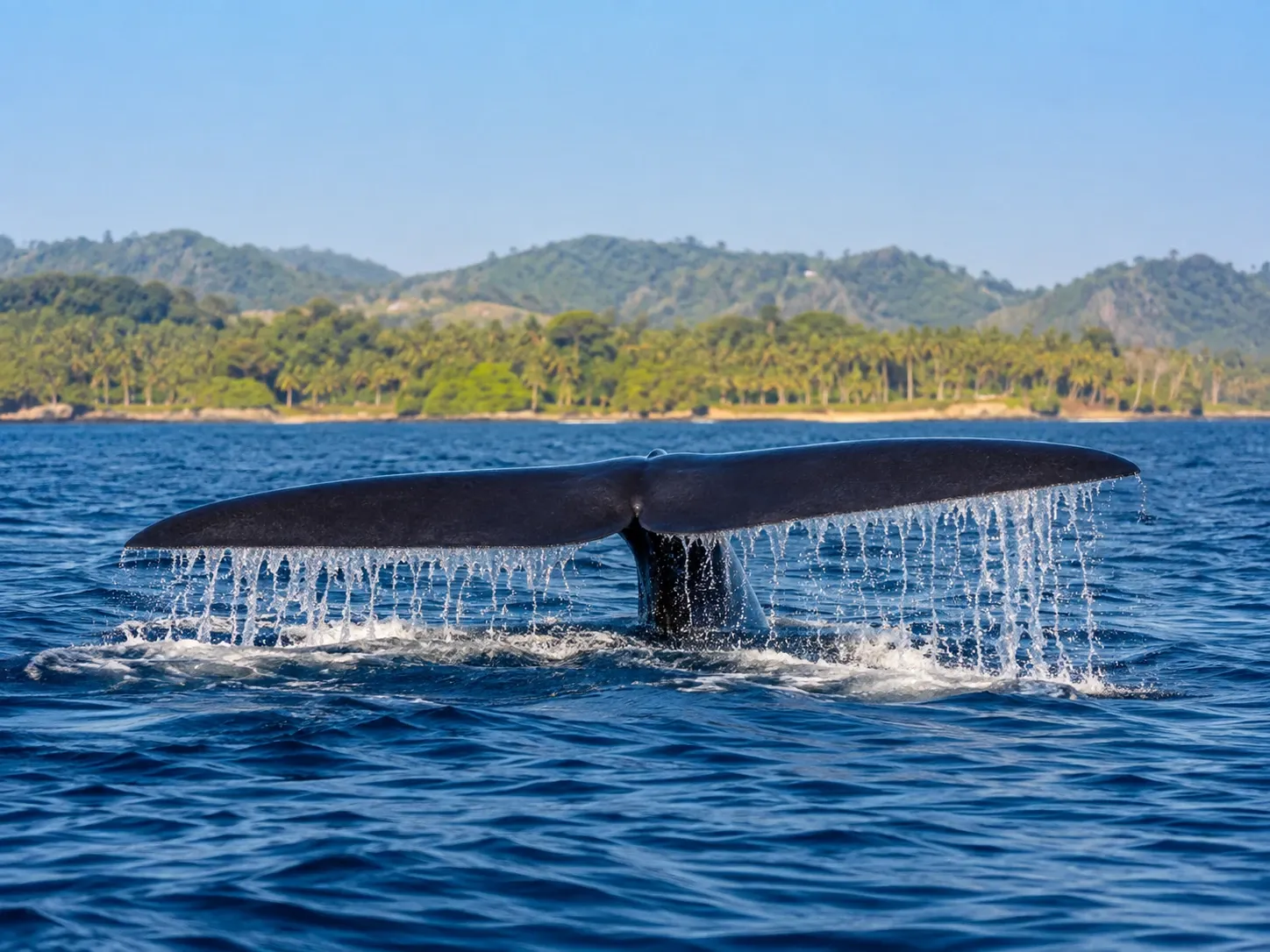
Whale watching, beach cafés, and low-friction coastal downtime.
Mirissa works well as a softer coastal section after inland travel and is one of the easier beach destinations to slot into short-format private itineraries.
Its tourism identity is contemporary and beach-led, shaped more by marine activity and relaxed coastal travel than by long-form built heritage.
The most reliable beach and whale-watching conditions are usually found between November and April.
Mirissa is typically paired with Galle and Weligama because the transfers are short and keep coastal itineraries efficient.
Mirissa is a crescent bay on the south coast that has become the main departure point for whale watching, and a straightforward beach town otherwise. It suits travellers who want the sea as the focus with enough infrastructure to be easy, without the scale of the larger west-coast resorts.
Two to three nights. One is enough only if the whale trip is the sole purpose, and even then a spare morning is useful because trips are weather dependent and can be cancelled.
The southwest coast runs on the northeast monsoon calendar: December to February is peak, with calm seas — which is also what makes boat trips viable. The southwest monsoon from roughly May to September brings rough water. Whale trips leave early, usually before dawn, because the sea is calmest then.
Approximately two and a half to three hours from Colombo or the airport via the southern expressway, under an hour from Galle, around two hours from Yala. The coastal train is slower and scenic.
Beach travellers and anyone wanting a whale trip. It suits families, with the caveat that the bay has a strong current in places and swimming conditions vary along the beach. Boat trips are unsuitable for anyone badly affected by seasickness — the sea is calm by local standards, not flat.
Booking a whale trip on the last morning with no spare day for weather. Expecting a guaranteed sighting — no operator can promise one. Choosing an operator on price alone, given the difference in boat size and how close vessels approach animals. And visiting in July expecting the December sea.
Weligama is minutes away and calmer for beginner surfing. Galle is under an hour west, Tangalle around an hour east, and Yala roughly two hours inland-east.
Whale-watching seasons, permitted approach distances and operator licensing are matters for the relevant authorities and vary. Sightings are never guaranteed.
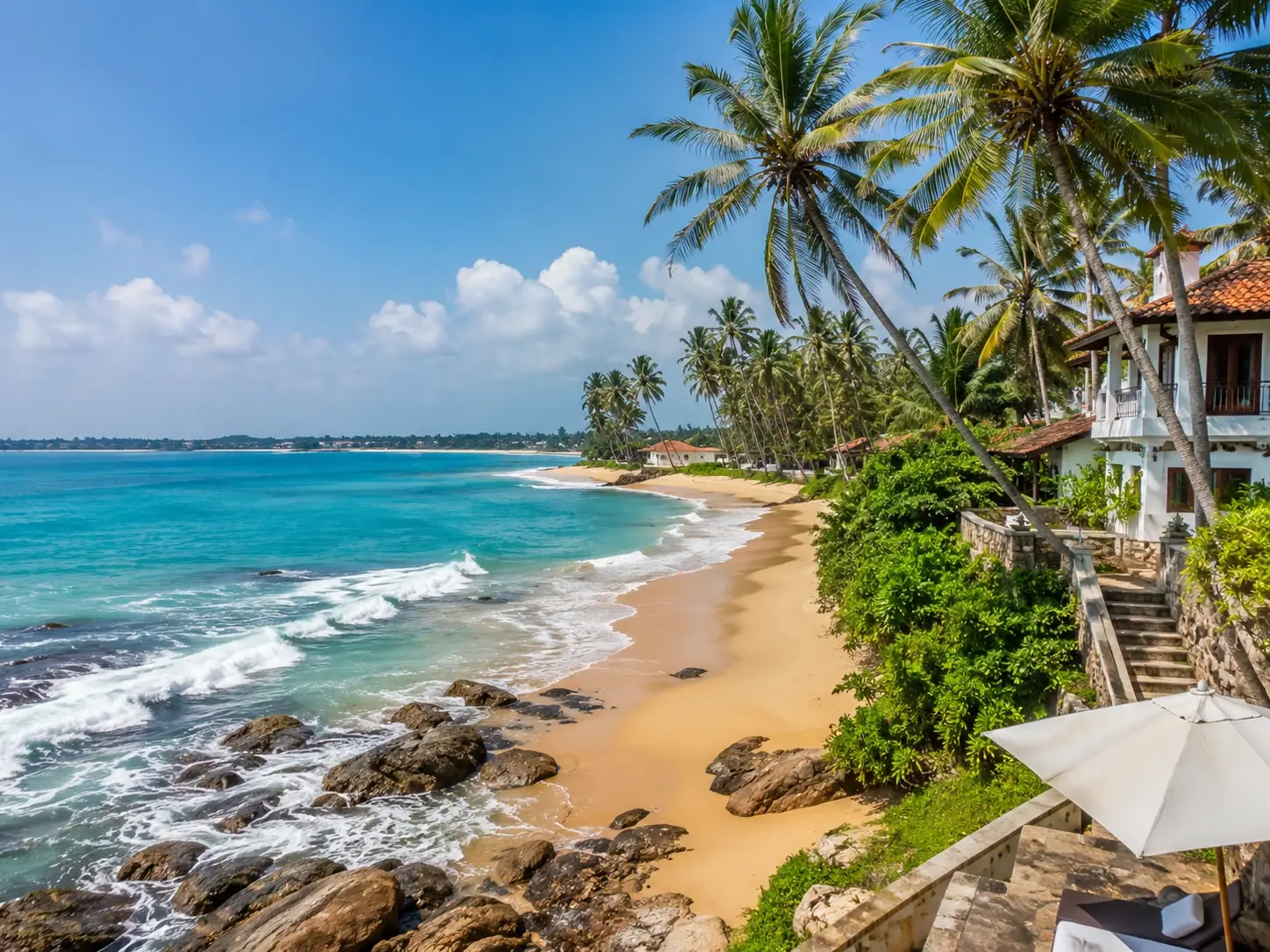
A compact private coastal package covering Galle, Mirissa, and Weligama with transport, accommodation, and flexible add-ons.
Best for beach breaks

A long-format journey connecting Sri Lanka’s strongest regions without rushing every day into a checklist.
Best for full island trips
Sri Lanka has two monsoons hitting opposite coasts, so there is no single best month. A month-by-month comparison of the southwest coast, east coast, Cultural Triangle and hill country.
Sri Lanka in 7 Days: How to Plan a Realistic First WeekWhat actually fits into seven days in Sri Lanka, what to cut, and how transfer times, train booking and driver choice shape the week.
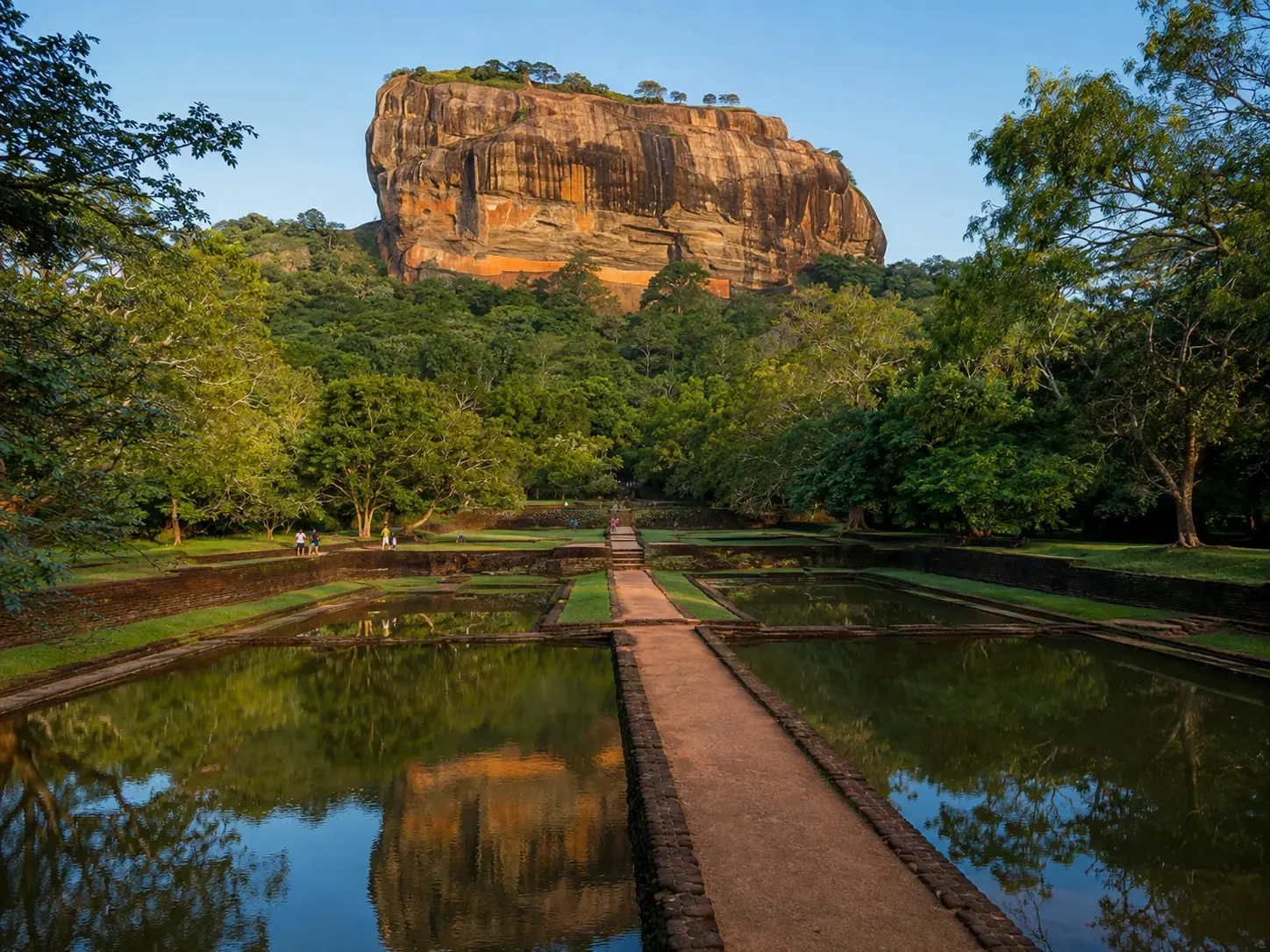
Sigiriya is one of the most recognisable attractions in Sri Lanka and remains a core stop in island itineraries built around history, archaeology, and landscape views.
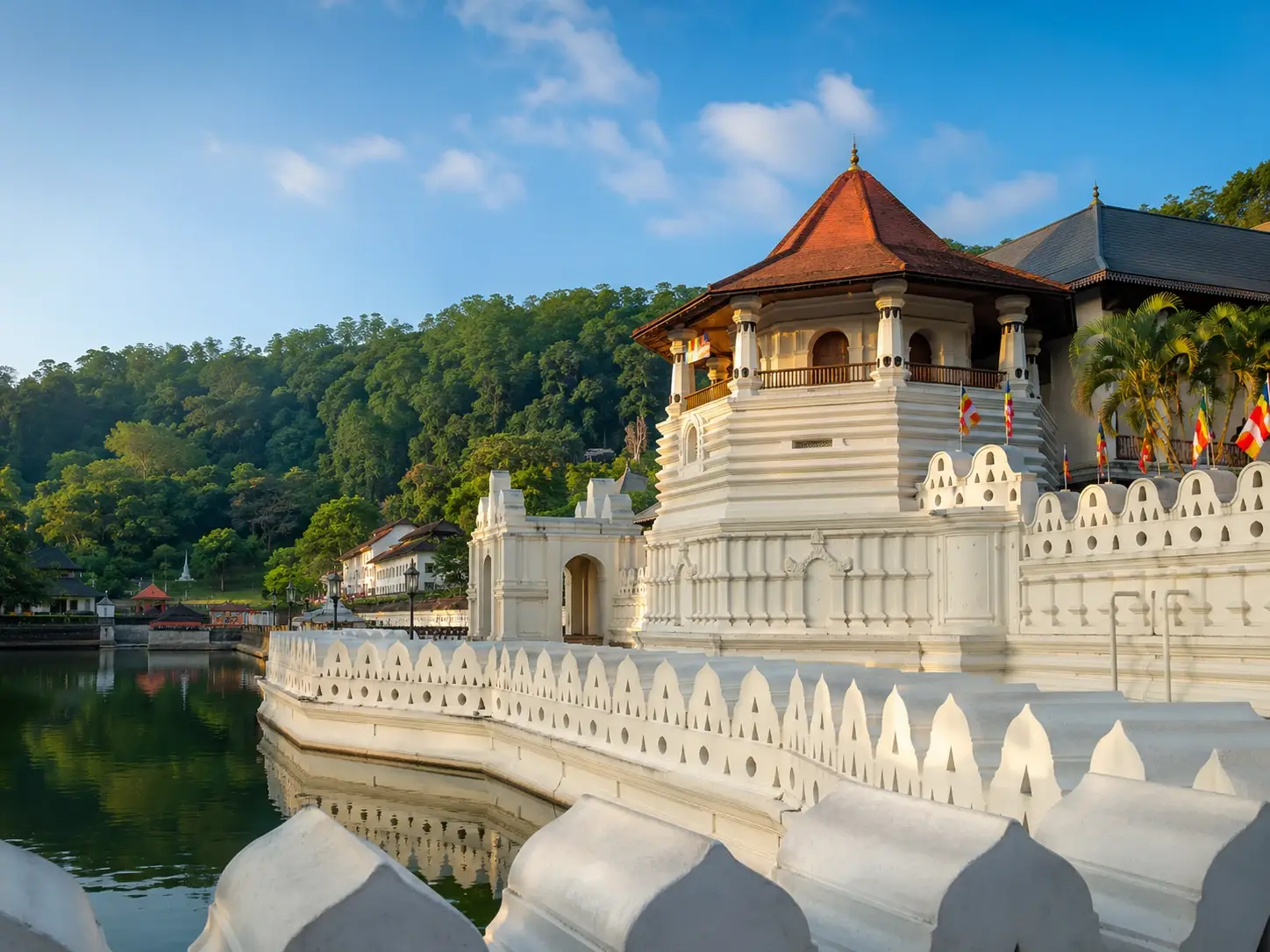
Kandy is one of the island’s most important cultural cities and works especially well as a transition point between the Cultural Triangle and the hill country.
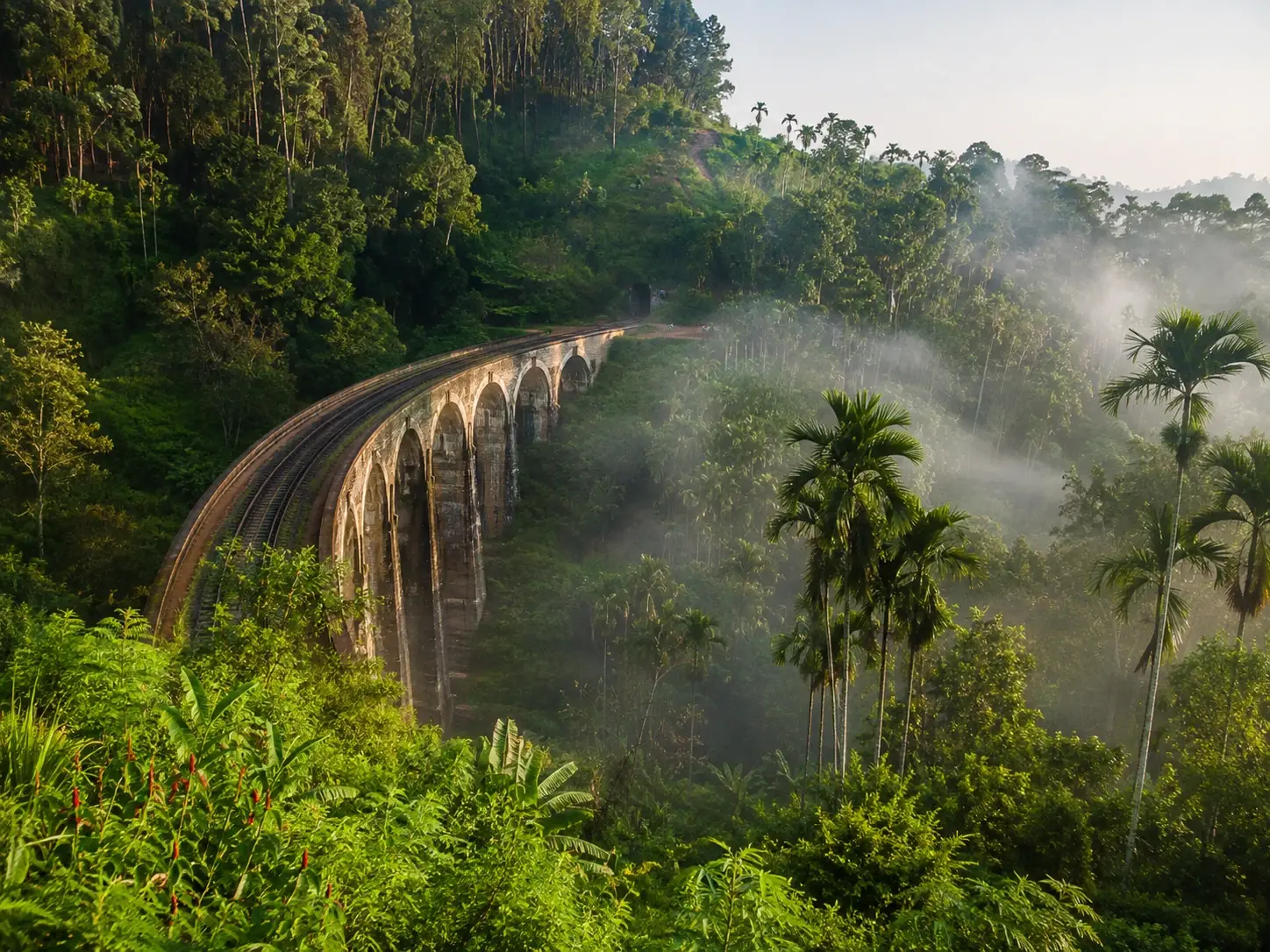
Ella is one of the island’s strongest visual destinations and works best as a slower hill-country section between cultural travel and the south.