أفضل وقت لزيارة سريلانكا
قراءة عملية شهراً بشهر للطقس وتصميم المسار، ولماذا يهمّ توقيت الغرب والجنوب والمرتفعات أكثر من إجابة واحدة تشمل البلاد كلها.
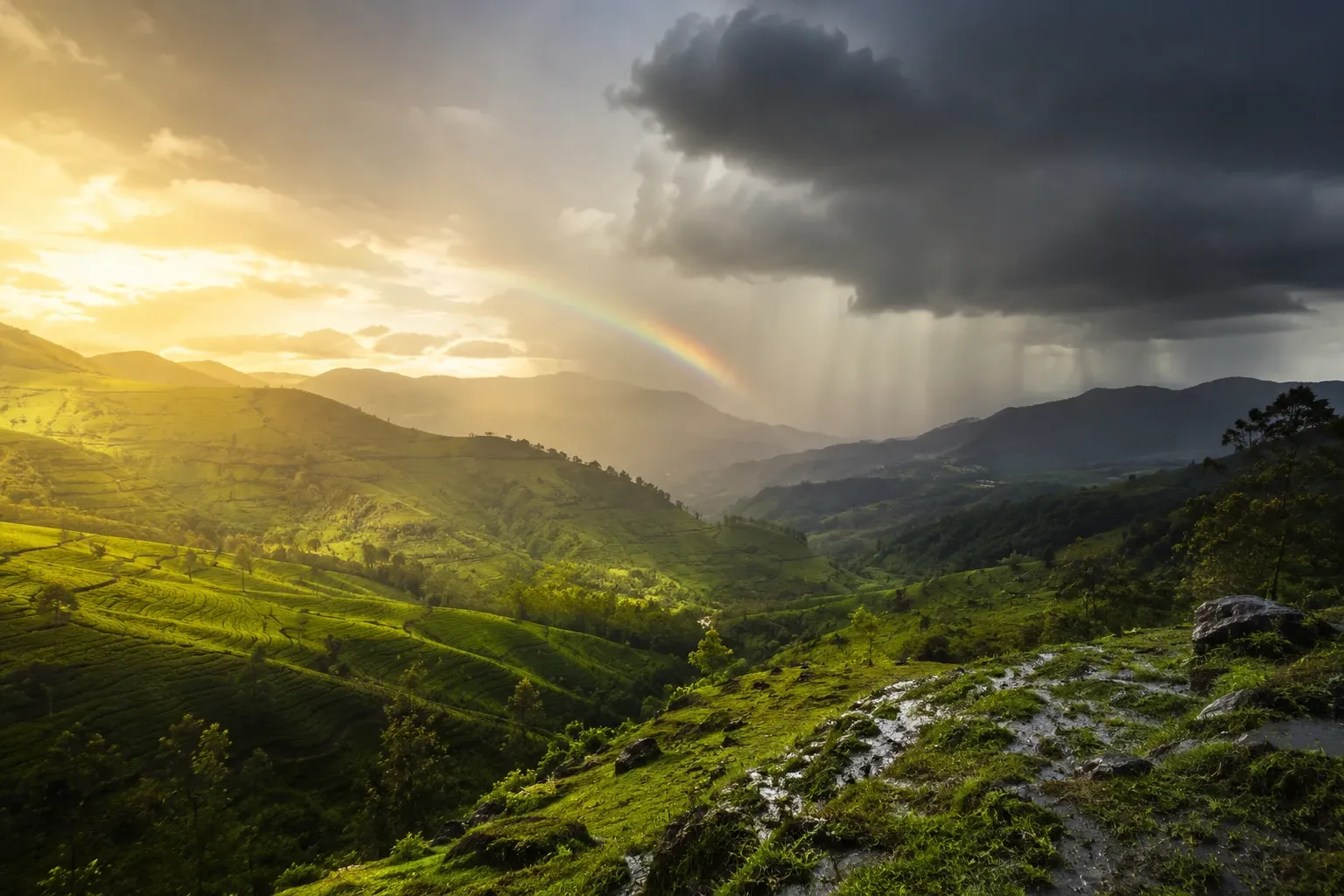
سريلانكا من أسهل الوجهات التي يُساء وصفها إذا اختُزلت في «أفضل شهر» واحد. فللجزيرة أنماط مناخية متعددة، والتوقيت المناسب يعتمد على ما إذا كان مسارك ساحلياً أم ثقافياً أم مبنياً حول مناظر المرتفعات.
فكّر بالمناطق لا بموسم واحد
بالنسبة للساحلين الغربي والجنوبي، غالباً ما تكون النافذة الأكثر جفافاً بين أواخر الخريف وأوائل الربيع هي الأهم. أما الساحل الشرقي فمنطقه مختلف. البرنامج الخاص الجيد يتعامل مع الموسمية كمسألة تصميم مسار، لا كنصيحة سفر عامة.
البرامج الثقافية تحتاج بدايات مبكرة
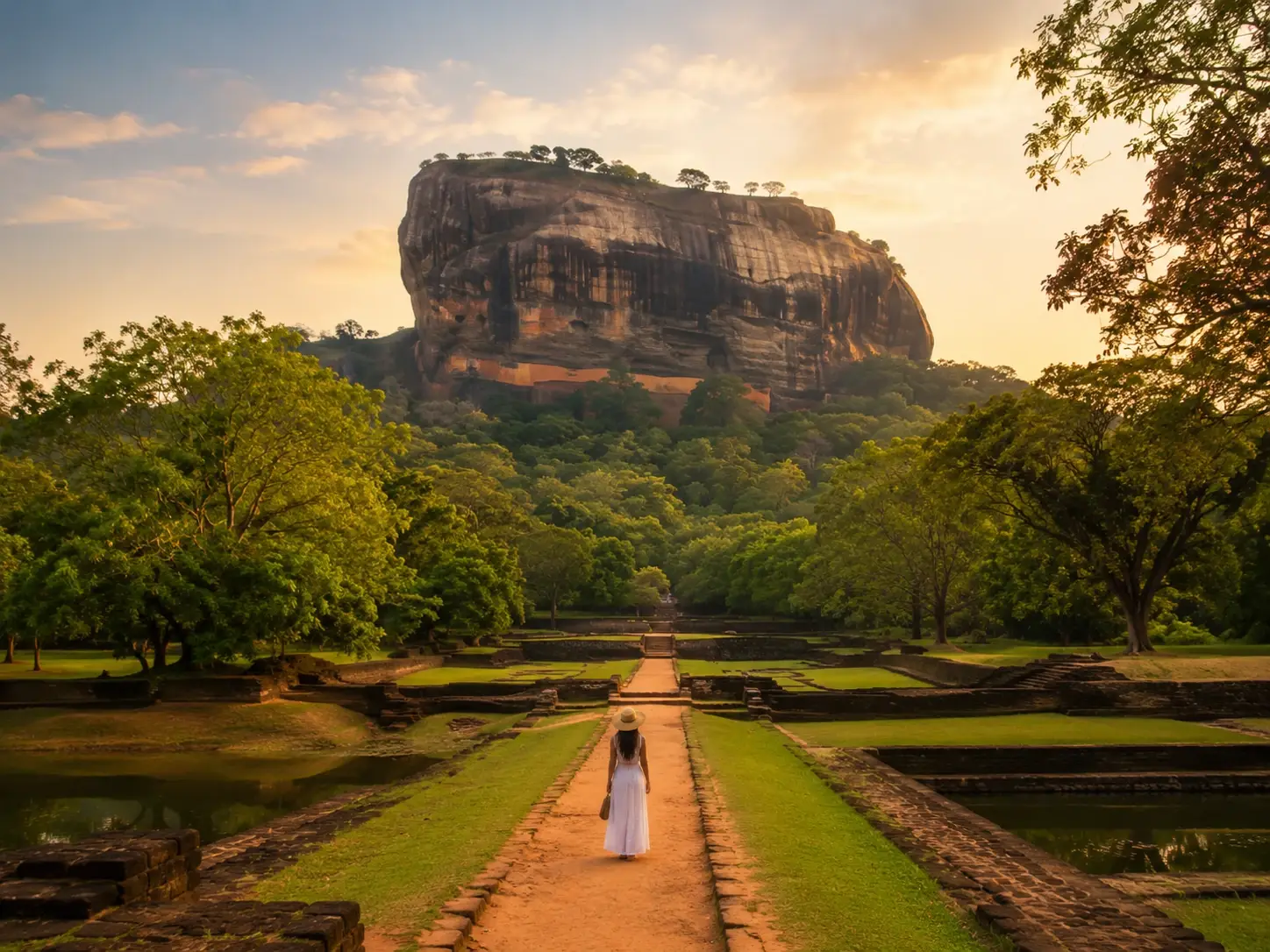
أماكن مثل سيجيريا وبولوناروا لا تكون في أفضل حالاتها بفضل شهر سحري، بل لأنك تصعدها أو تتجول فيها قبل حرّ الظهيرة. التخطيط التشغيلي هنا لا يقلّ أهمية عن تصنيفات الطقس.
وضوح الرؤية في المرتفعات يغيّر طابع المسار
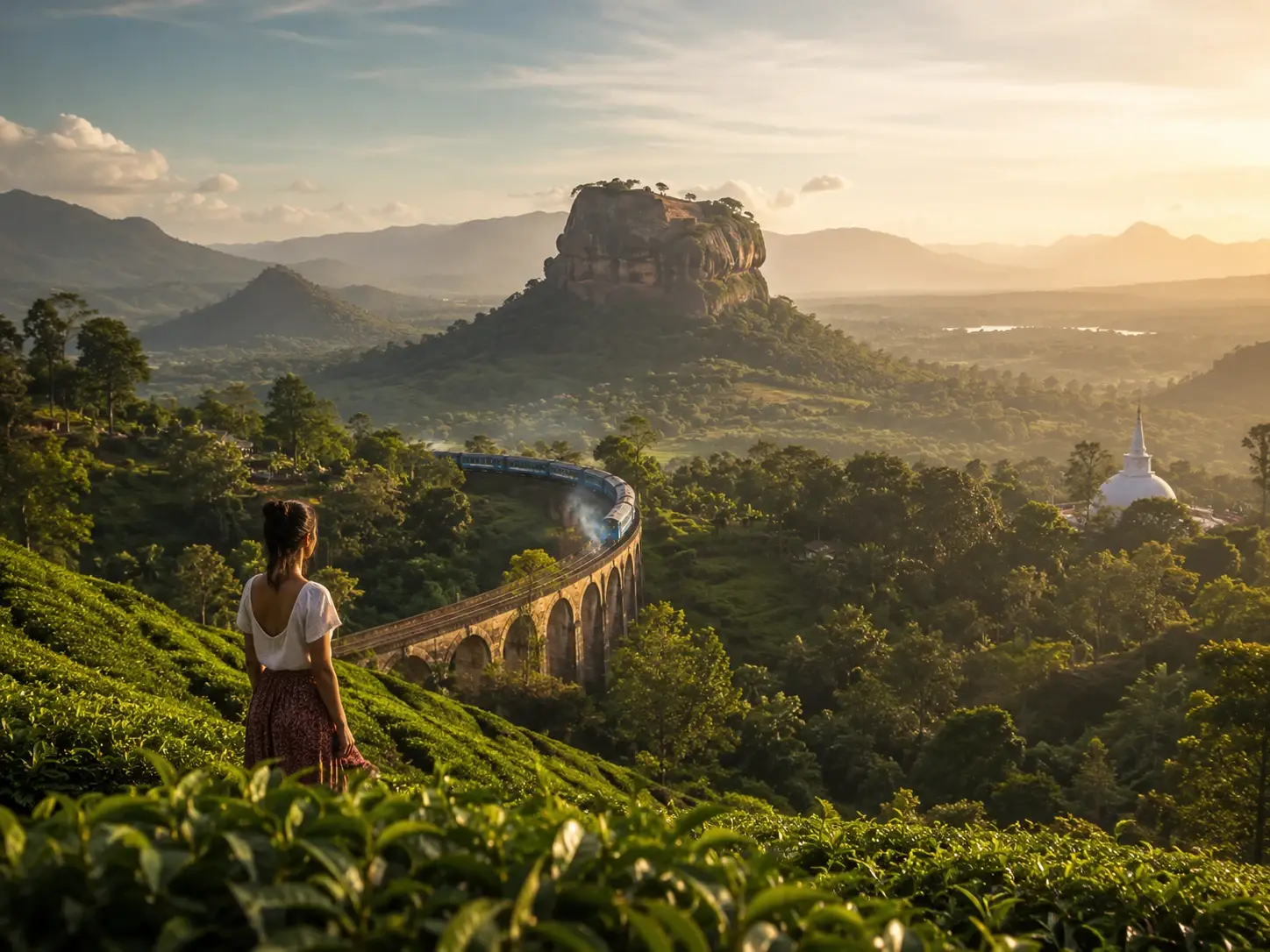
إيلا ومناطق الشاي تعطي أفضل ما لديها حين تبقى إطلالات القطار والصباحات صافية. وإذا كان المقطع الجبلي محورياً في الرحلة، فينبغي أن ينعكس ذلك على ترتيب المسار وإيقاعه.
Best periods by activity
Southwest beaches and watersports: December to February, which official guidance describes as the peak season for the southwest coast, with clear skies and calm seas. East coast beaches: May to September. Whale watching from the south coast: the same calm-sea window as the southwest beach season, December to February. Surfing: follows the sheltered coast rather than the calendar — the south coast works during the northeast monsoon and Arugam Bay during the southwest monsoon, so there is a surf season somewhere in almost every month. Wildlife and safari: the drier months in each park’s own region, since animals concentrate around remaining water; parks occasionally close for maintenance, so confirm before fixing dates. Cultural sightseeing: possible year-round, with March and April officially recommended. Honeymoon travel combining hills and coast: December to April, when the southwest coast and the hill country are both in reasonable shape at the same time.
Which route shape suits which month
December to March favours the classic loop: Cultural Triangle, hill country, then finish on the southwest coast — the arrangement most first-time itineraries use, and the reason those months are busiest. April is a good cultural and hill-country window with beach time still viable but less certain. May to September flips the ending: the same inland route, but finishing on the east coast at Trincomalee or Arugam Bay instead of Mirissa. October and November are the hardest months to plan around a beach, so they suit interior-weighted routes — tea country, wildlife, cultural sites — where rain is an inconvenience rather than a spoiled day, and they bring the year’s thinnest crowds and softest pricing.
Practical advice that matters more than the month
Start early. Sigiriya and Polonnaruwa are far more pleasant, and considerably safer in the heat, before mid-morning; this makes more difference to how a cultural day feels than which month you picked. Expect rain in bursts. Sri Lankan rain is usually intense and short rather than persistent, so a wet forecast rarely cancels a day — it reshapes it. Build slack around the hill-country train. It is scenic and it is slow, and treating it as a fixed appointment is how itineraries go wrong. Watch the crowds, not just the weather: December and January are peak on the southwest coast, and the same beach in November is quieter and cheaper for a modest weather trade-off. Finally, do not try to see both coasts properly in one week — the island is small on a map and slower on the road than it looks.
Sources, and what this guide does not claim
Seasonal information here is drawn from Sri Lanka Tourism’s official weather guidance at https://www.srilanka.travel/weather, which sets out the four seasons, their months and the region each favours. Monsoon timing is a pattern, not a schedule: the boundaries shift by weeks from year to year, and a wet month can deliver a run of clear days. This guide deliberately avoids month-by-month temperature figures, national park closure dates and any promise of surf or whale sightings, because those either vary annually or are not published in a form worth quoting. Check a forecast close to travel, and treat the table as a way to choose a region rather than a guarantee.