Best time to visit
The strongest coastal conditions are usually in the dry southwest season from November to April.
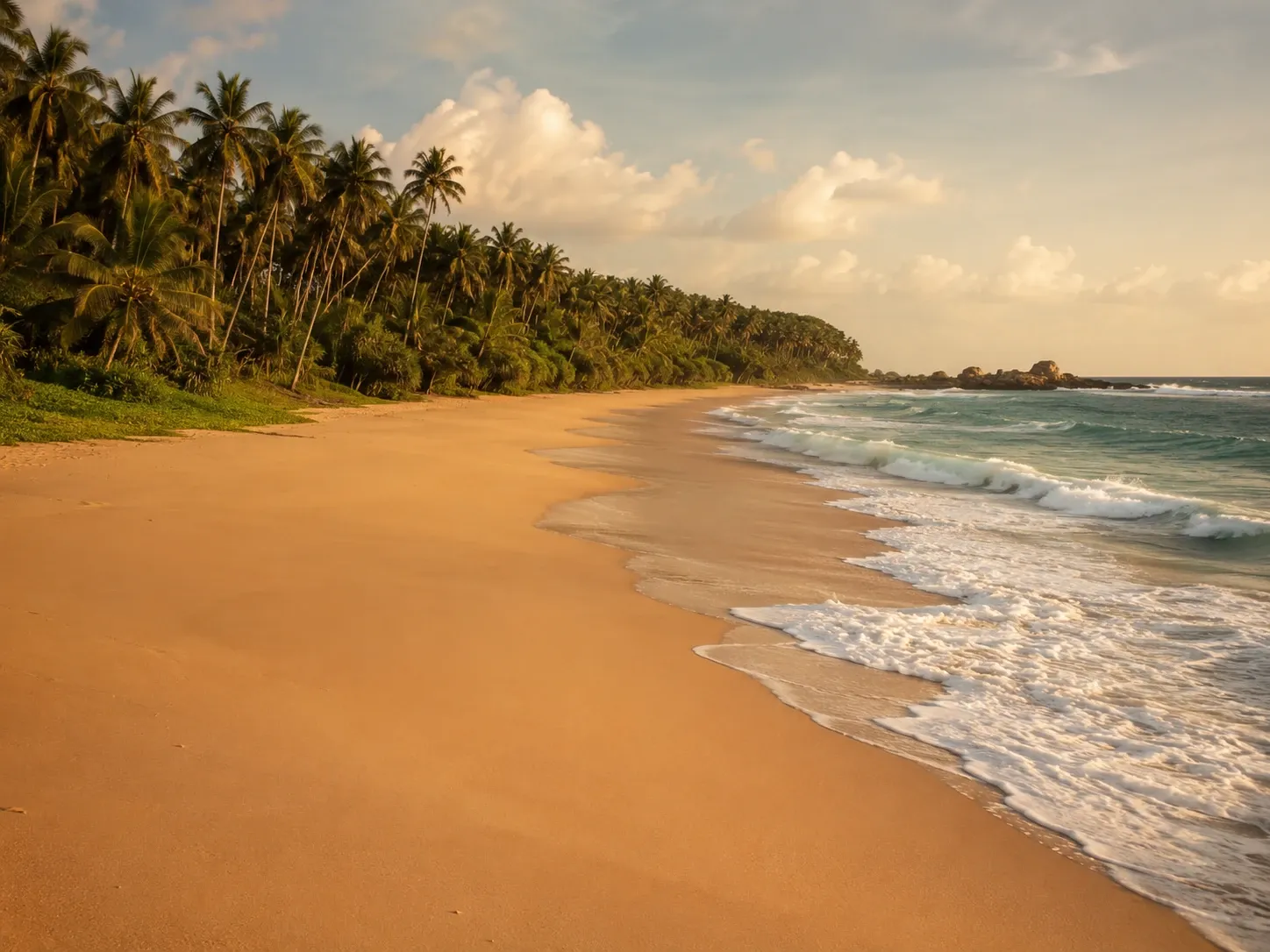
More spread-out and quieter coastal stop with easy access to the southern wildlife belt.
Tangalle is a strong choice for travellers who want the south coast without the busier café-town feel of Mirissa or Weligama.
Its travel role is modern and beach-led, shaped more by space, quieter coastal stretches, and resort or villa stays.
The strongest coastal conditions are usually in the dry southwest season from November to April.
It pairs naturally with Yala, Udawalawe, or the broader south coast and often works well as a recovery stop after inland travel.
Tangalle marks the point where the busy southwest beach strip thins out. The coastline here is a series of bays and long open beaches with far less development than Unawatuna or Mirissa, and the pace is noticeably slower. It is also close to Rekawa, one of the more important sea turtle nesting beaches in the country, where nesting is observed at night under local guidance.
Two to four nights. Tangalle works well as the beach section at the end of a southern loop that has already taken in Galle and Mirissa, and it is close enough to Yala and Tissamaharama that a safari can be done from here without moving hotels.
Some Tangalle beaches shelve steeply and have strong currents, and the calmer bays are specific rather than general — this is a coast where asking at your accommodation which beach is safe on a given day is genuinely worth doing. The season follows the southwest coast, broadly December to April. Turtle nesting at Rekawa is seasonal and takes place at night, with numbers highest in the middle of the year.
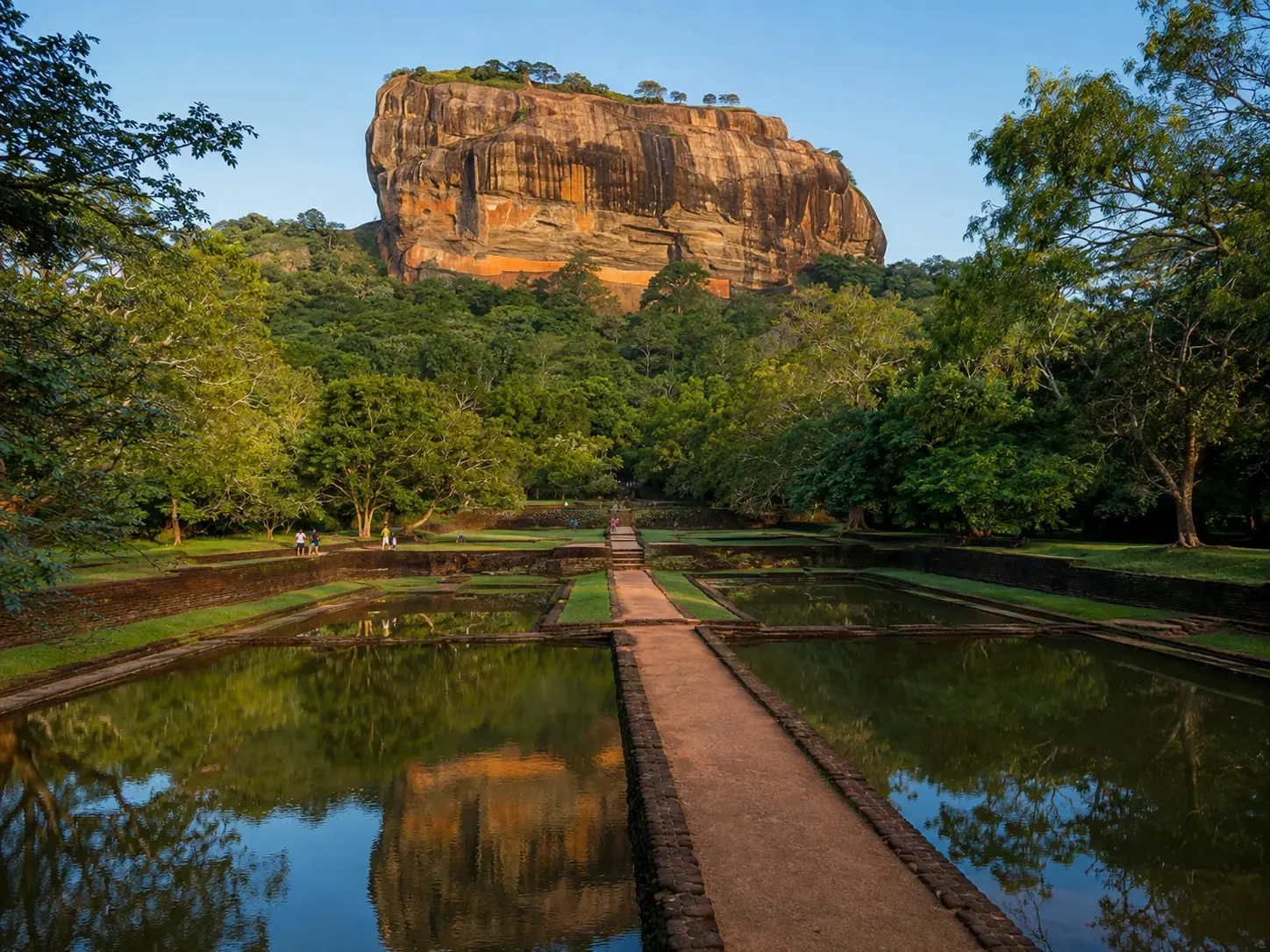
Sigiriya is one of the most recognisable attractions in Sri Lanka and remains a core stop in island itineraries built around history, archaeology, and landscape views.
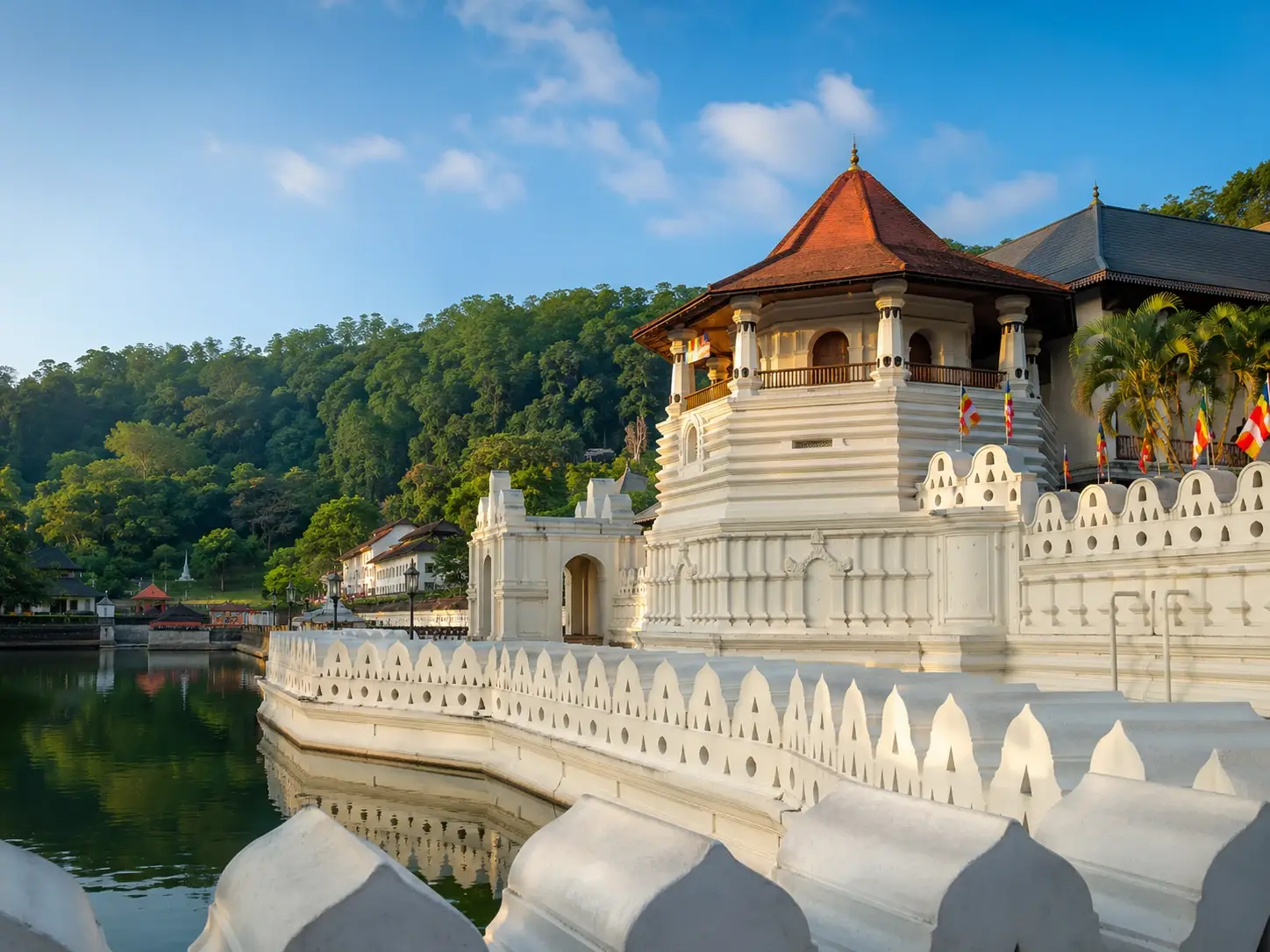
Kandy is one of the island’s most important cultural cities and works especially well as a transition point between the Cultural Triangle and the hill country.
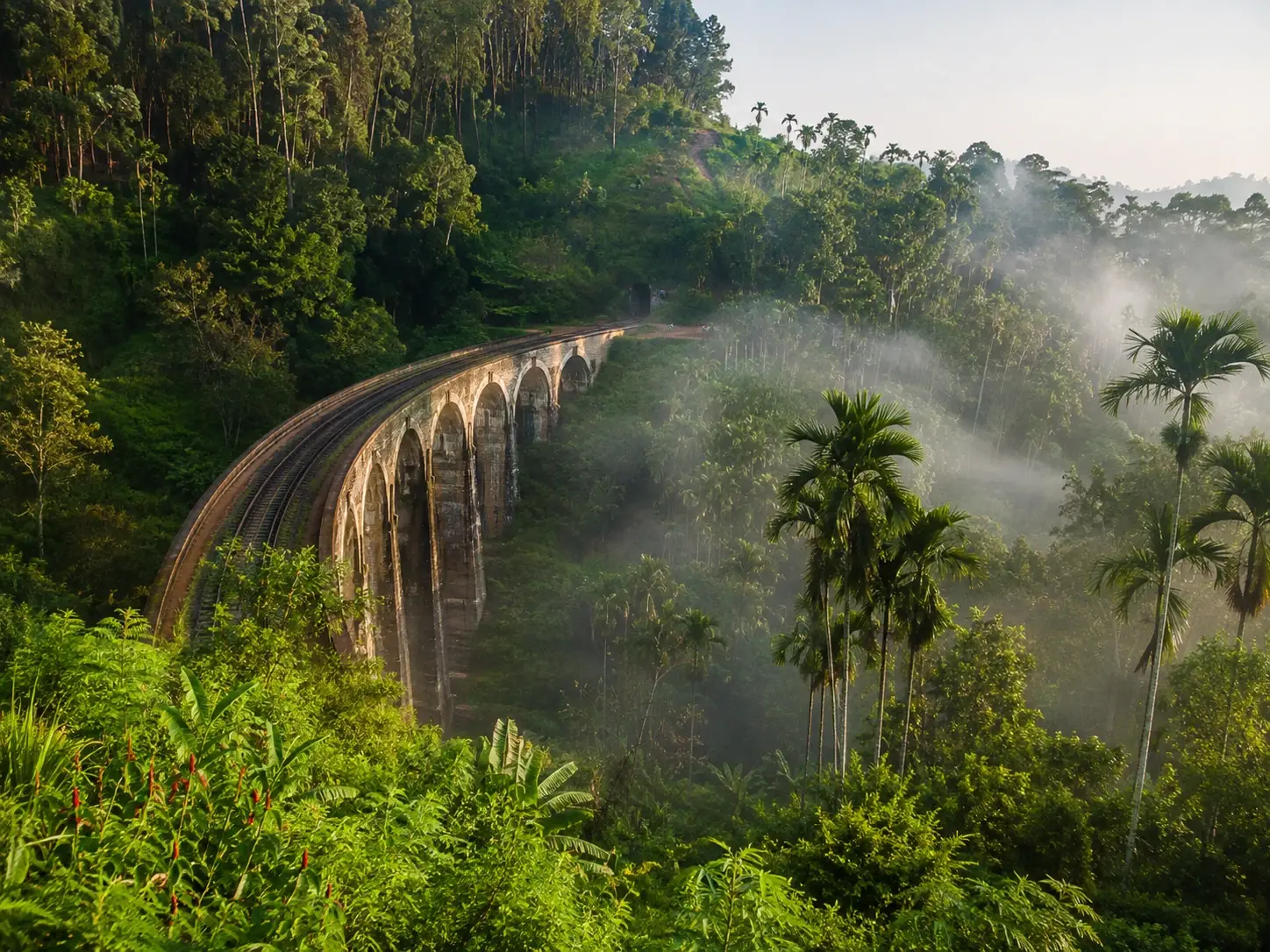
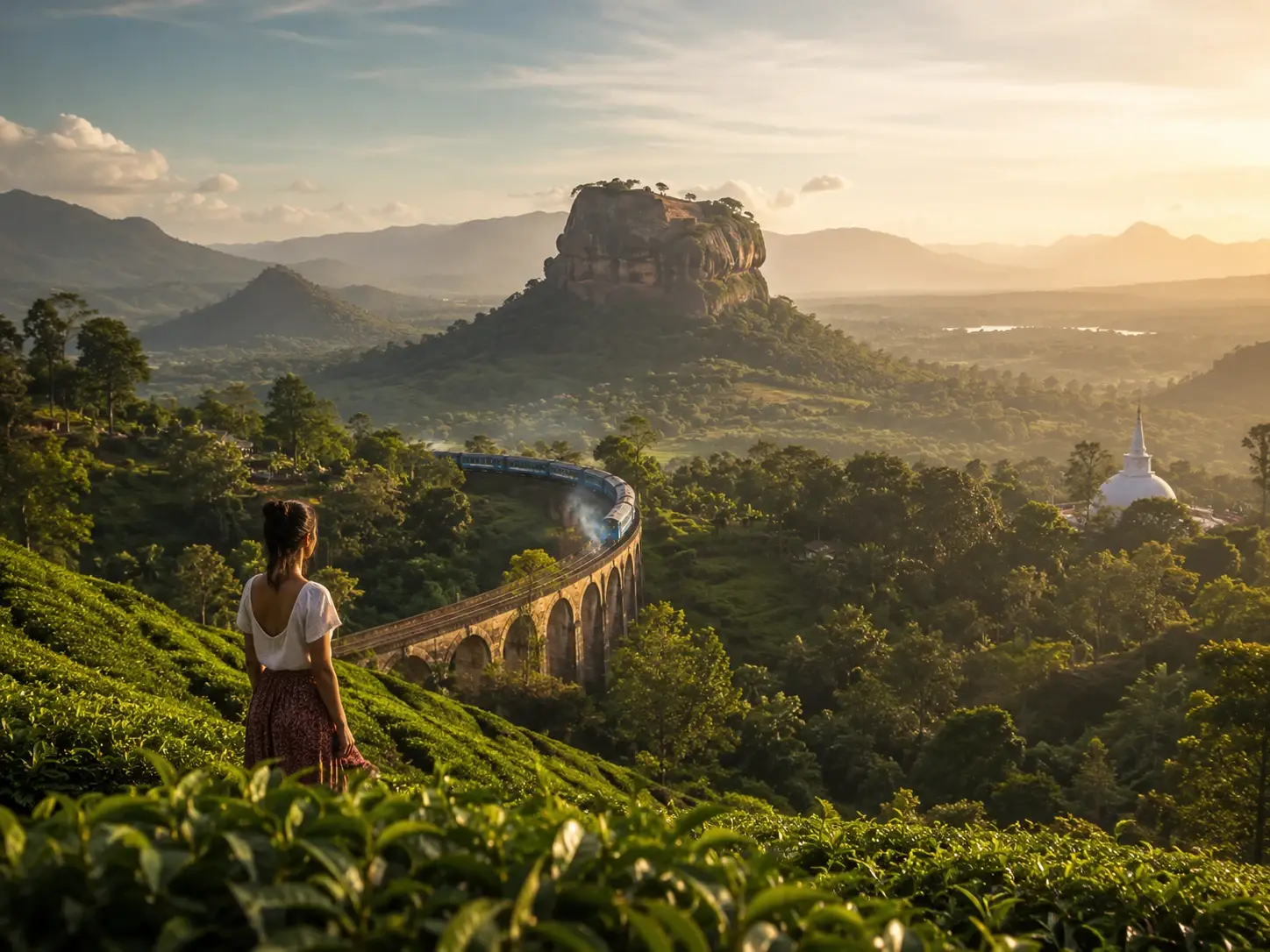
Ella is one of the island’s strongest visual destinations and works best as a slower hill-country section between cultural travel and the south.