Best time to visit
Dry conditions generally improve safari visibility, but route planning matters because this is a less casual detour than southern safari stops.
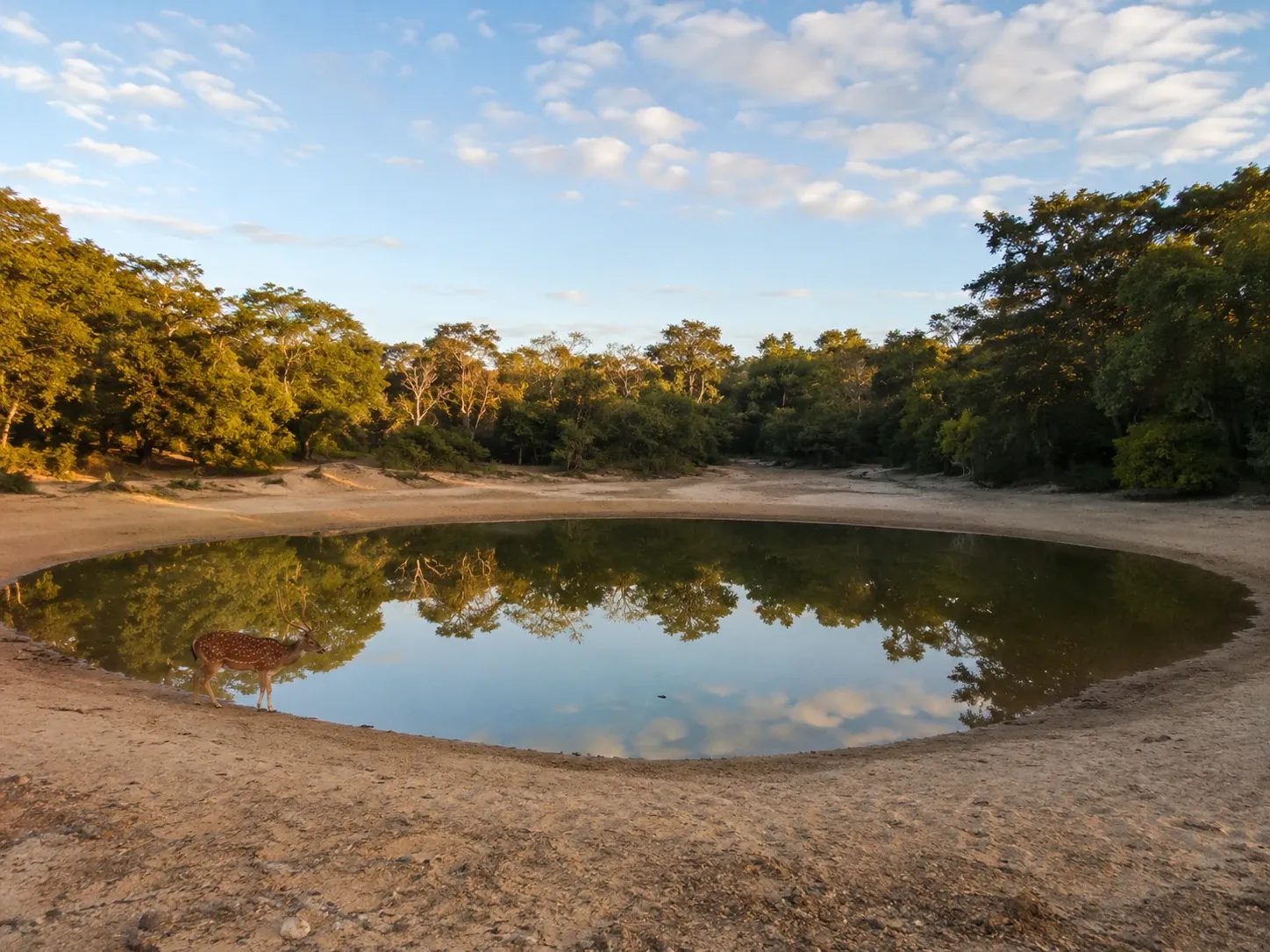
Larger and less urban-feeling safari landscape in the island’s northwest.
Wilpattu appeals to travellers who want a wider, quieter safari atmosphere and are willing to go farther north and west than the more common Yala route.
The park is known for its villus, or natural lakes, and functions more as a wilderness destination than as a quick add-on stop.
Dry conditions generally improve safari visibility, but route planning matters because this is a less casual detour than southern safari stops.
It is most often reached from Anuradhapura or on longer routes that include Sri Lanka’s northwestern and northern regions.
Wilpattu is the largest national park in Sri Lanka and the least crowded of the major ones. Its character comes from the villus — natural sand-rimmed depressions that hold rainwater and draw animals into the open. The forest is denser and taller than Yala's dry scrub, so sightings take more patience, but the experience is quieter, with far fewer vehicles at any one animal.
A full-day safari, or a half day if it is on the way between Colombo and Anuradhapura. Because the park is large and the tracks are long, a full day gives a materially better chance than a short drive. Accommodation sits outside the park boundary on the Puttalam road side.
The drier months, broadly February to October, are the more reliable window; heavy rain can make tracks difficult. Leopards are present and are the animal most people hope for, along with sloth bears, but Wilpattu rewards visitors who arrive interested in the whole park rather than one species — no sighting can be promised, and the density of vegetation means a great deal depends on the day.
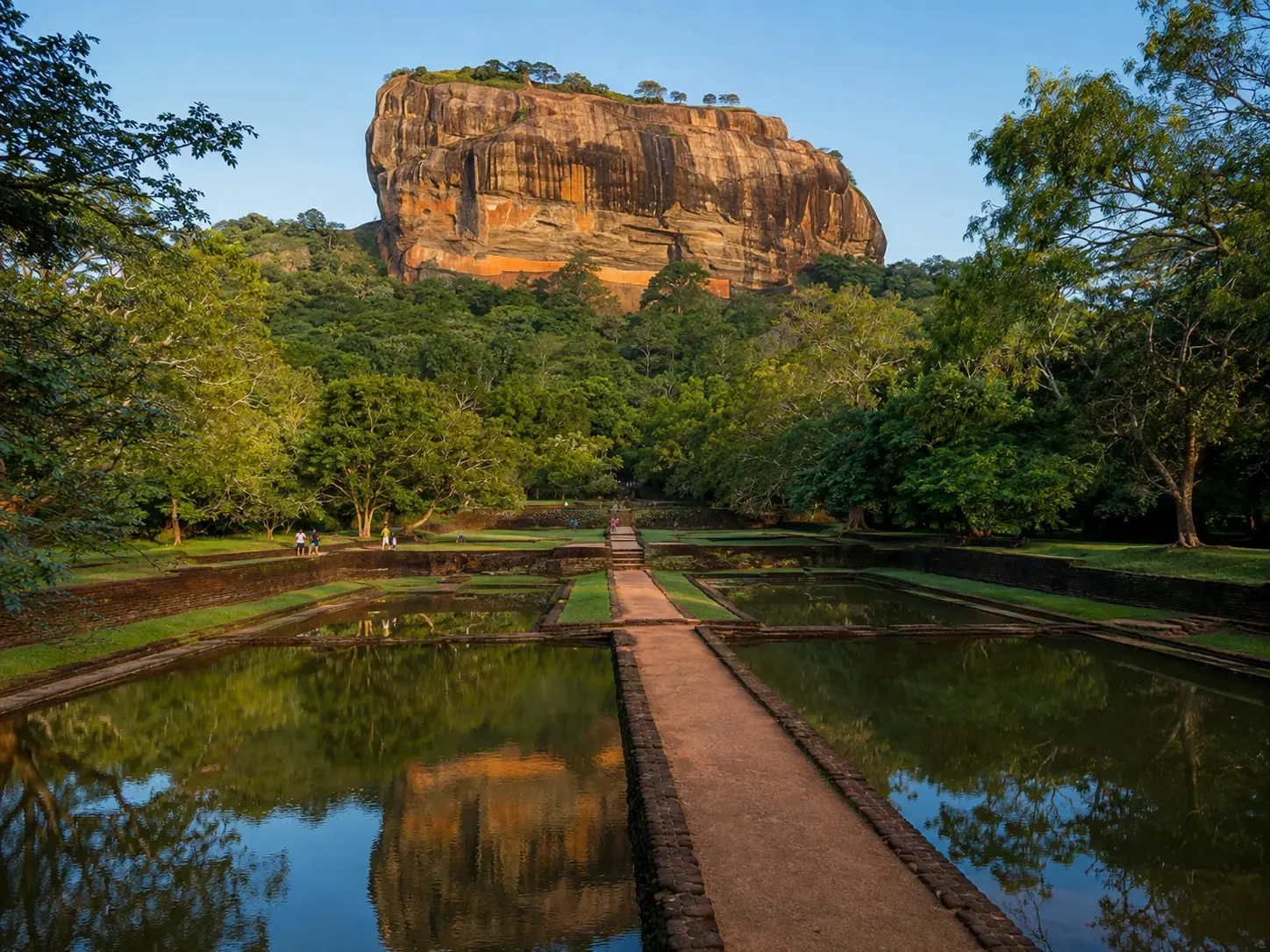
Sigiriya is one of the most recognisable attractions in Sri Lanka and remains a core stop in island itineraries built around history, archaeology, and landscape views.
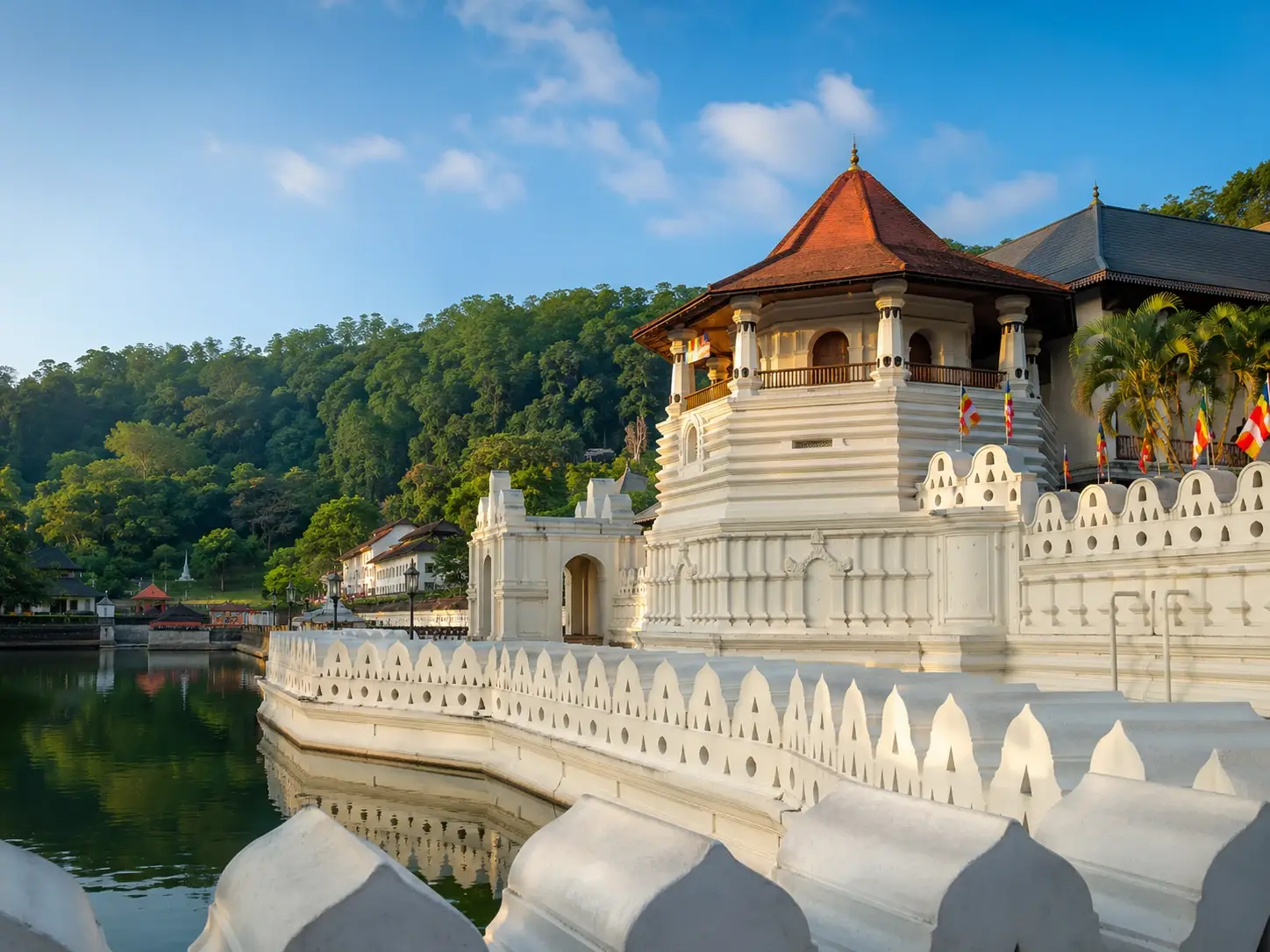
Kandy is one of the island’s most important cultural cities and works especially well as a transition point between the Cultural Triangle and the hill country.
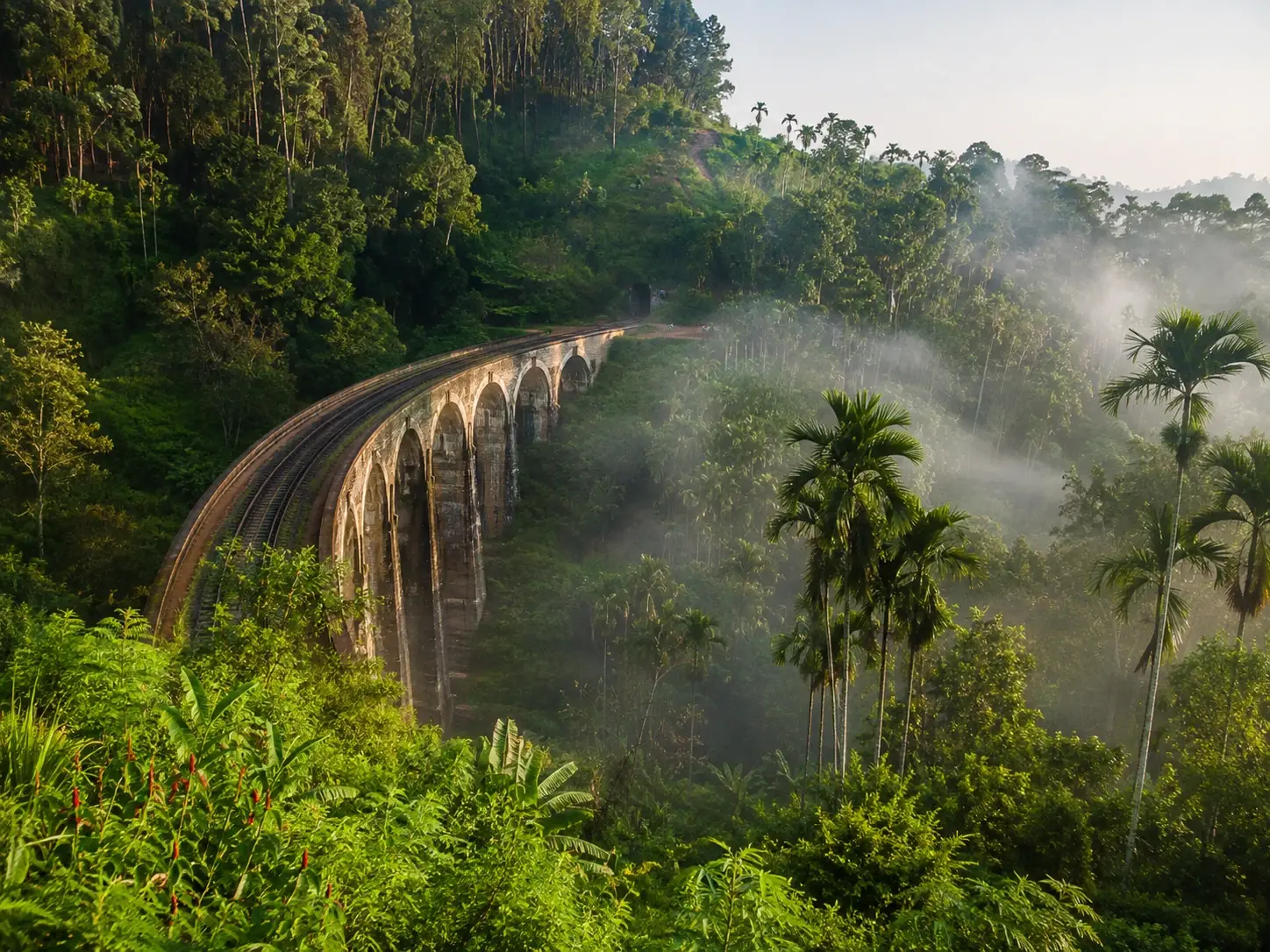
Ella is one of the island’s strongest visual destinations and works best as a slower hill-country section between cultural travel and the south.