Best time to visit
The same general safari-season logic that affects Yala matters here too, especially for early departures.
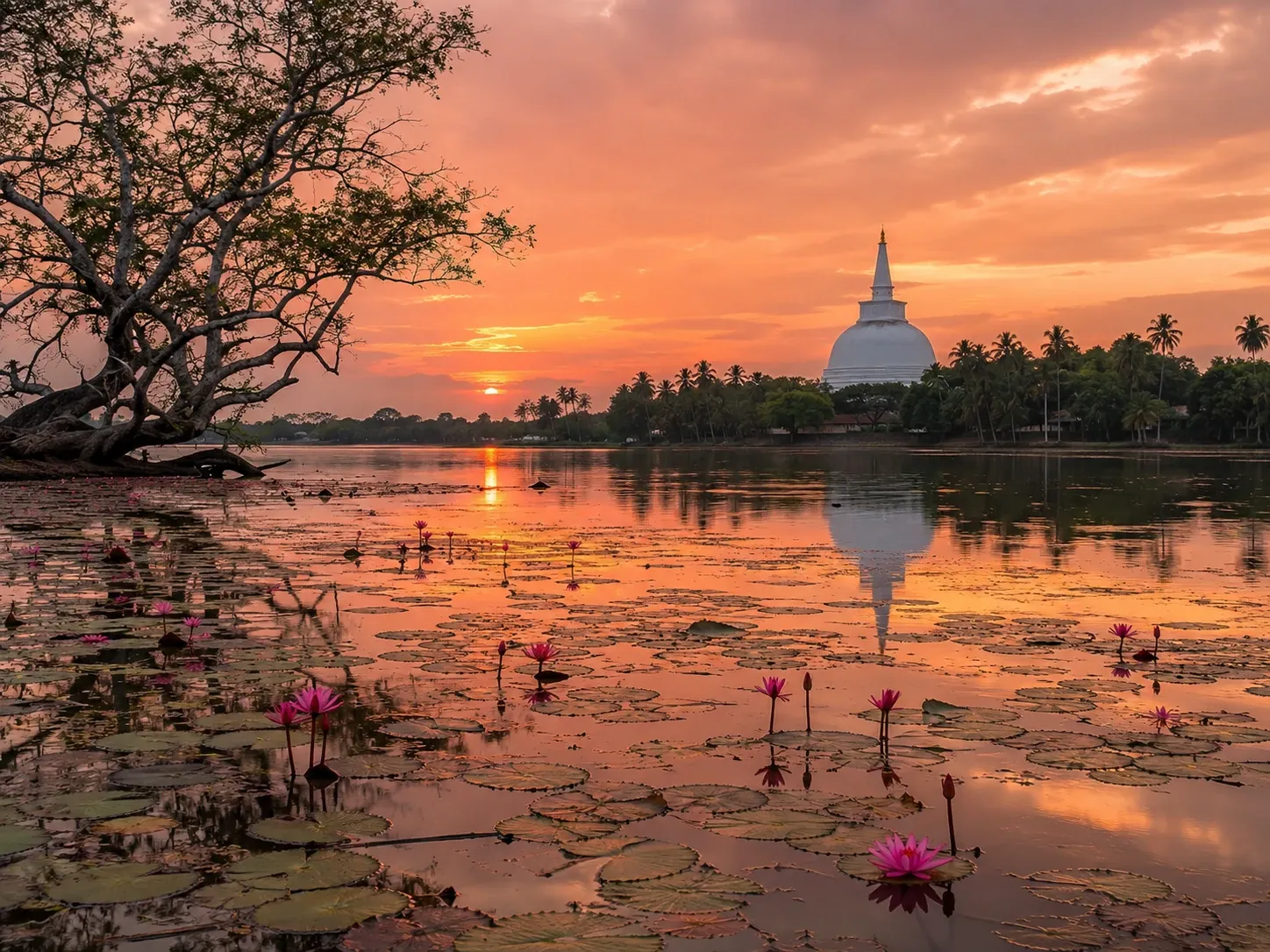
Town often used as the operational base for Yala-bound safari stays.
Tissamaharama is not usually chosen for its own attractions first, but it is one of the most practical places to base travellers before a Yala safari.
Its importance in travel planning comes from its location near the southern parks and the way it supports wildlife-focused overnight stops.
The same general safari-season logic that affects Yala matters here too, especially for early departures.
It is commonly reached from Ella, Tangalle, or other southern routes and used as the staging point for safari departures.
Tissamaharama is where most Yala safaris begin, but it is not only a staging post. It was the capital of the southern kingdom of Ruhuna more than two thousand years ago, and the Tissa Wewa reservoir and the large white dagoba at the centre of town both date from that period. The tanks around the town attract substantial birdlife, which is visible without entering any park.
One or two nights, built around safari departures. Yala's morning drives leave before dawn, so staying here rather than on the coast is what makes them practical. The town is also the usual base for visiting Kataragama, the multi-faith pilgrimage site a short drive inland.
The southeast is driest broadly from February to July, which is also the more reliable window for wildlife as animals concentrate around water. Yala's main block is normally closed for part of the year, usually around September and October, for maintenance — worth confirming when planning, since it affects whether a safari is possible at all. Bird numbers on the local tanks peak in the northern winter months.
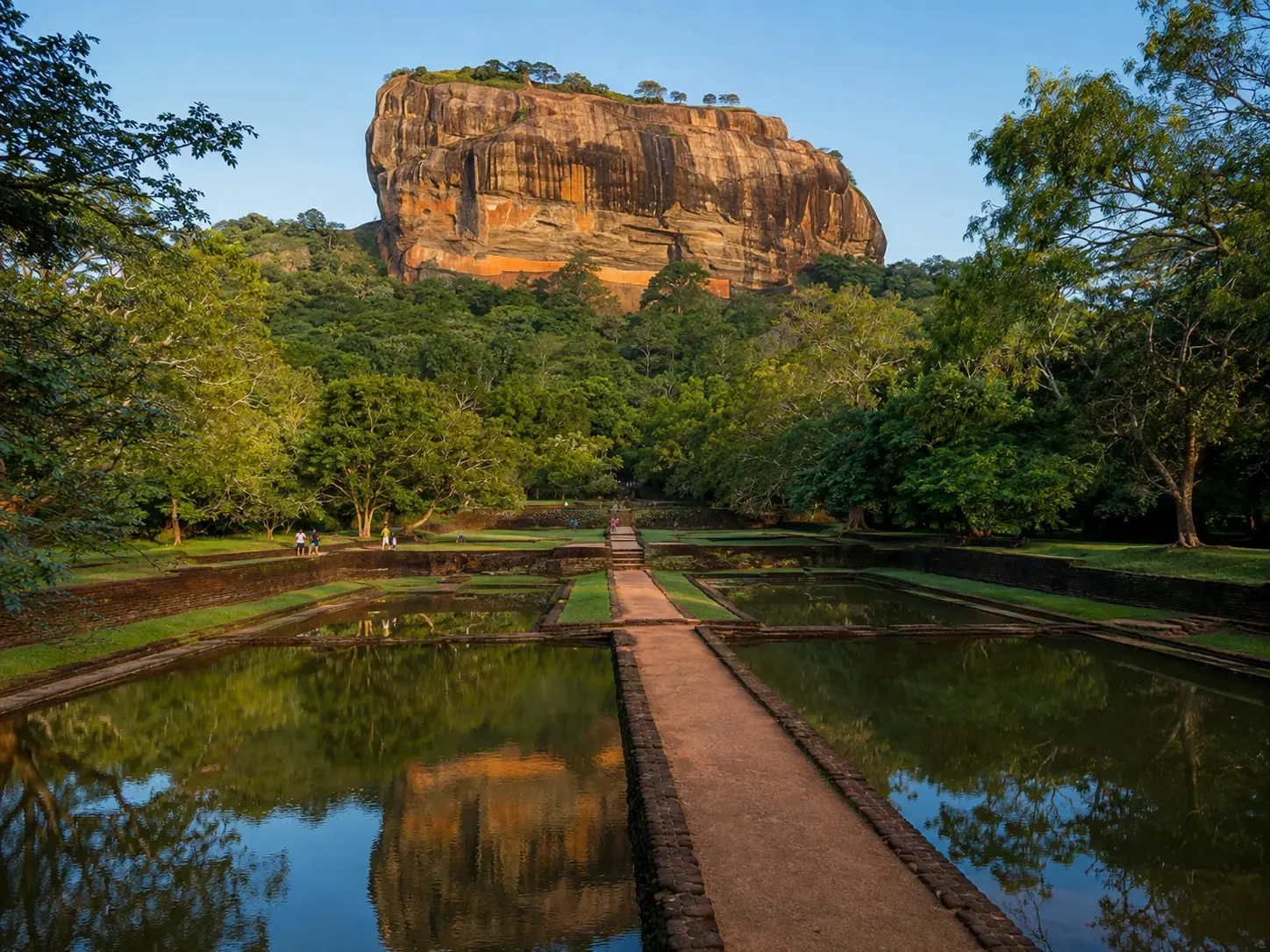
Sigiriya is one of the most recognisable attractions in Sri Lanka and remains a core stop in island itineraries built around history, archaeology, and landscape views.
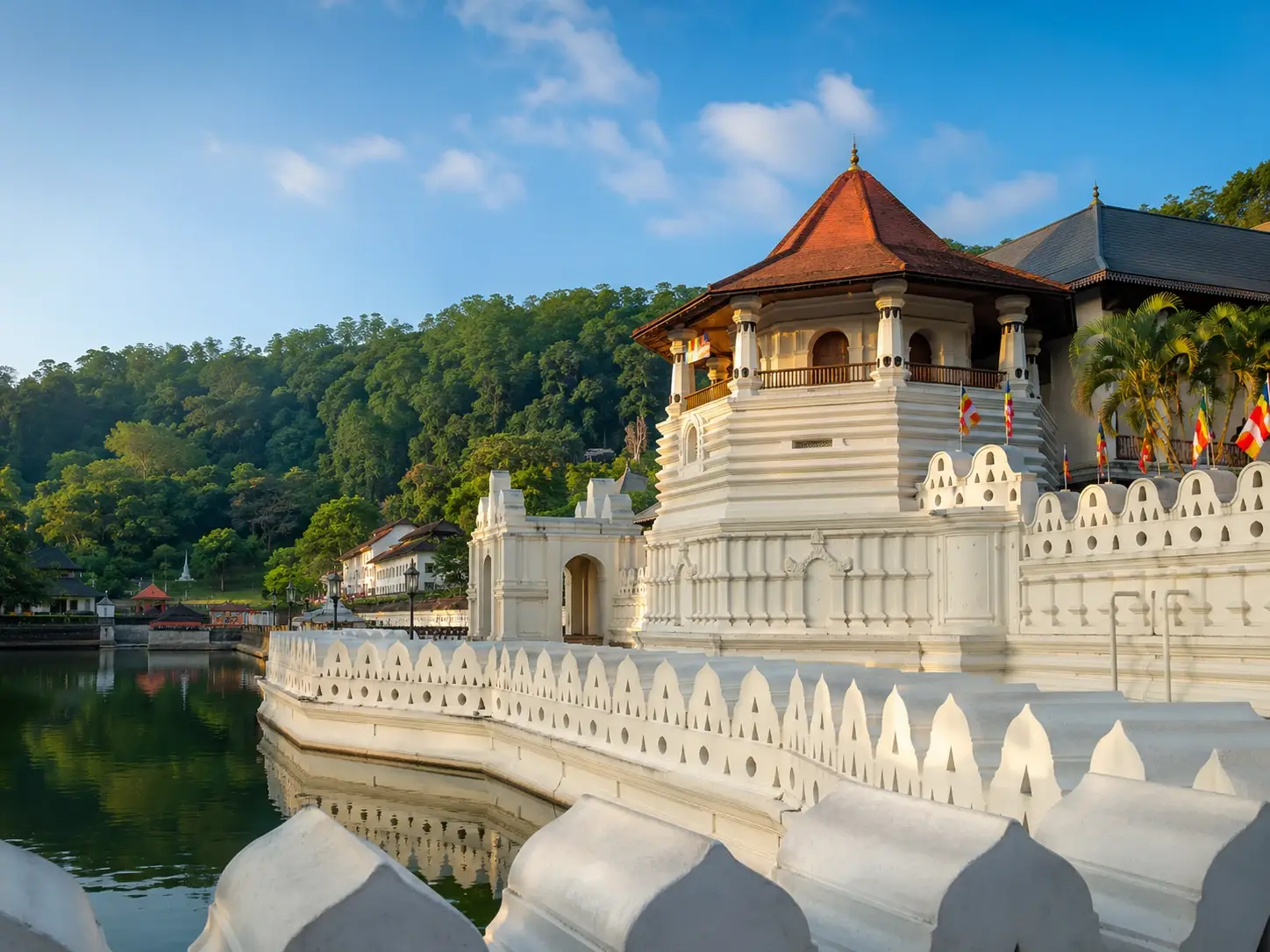
Kandy is one of the island’s most important cultural cities and works especially well as a transition point between the Cultural Triangle and the hill country.
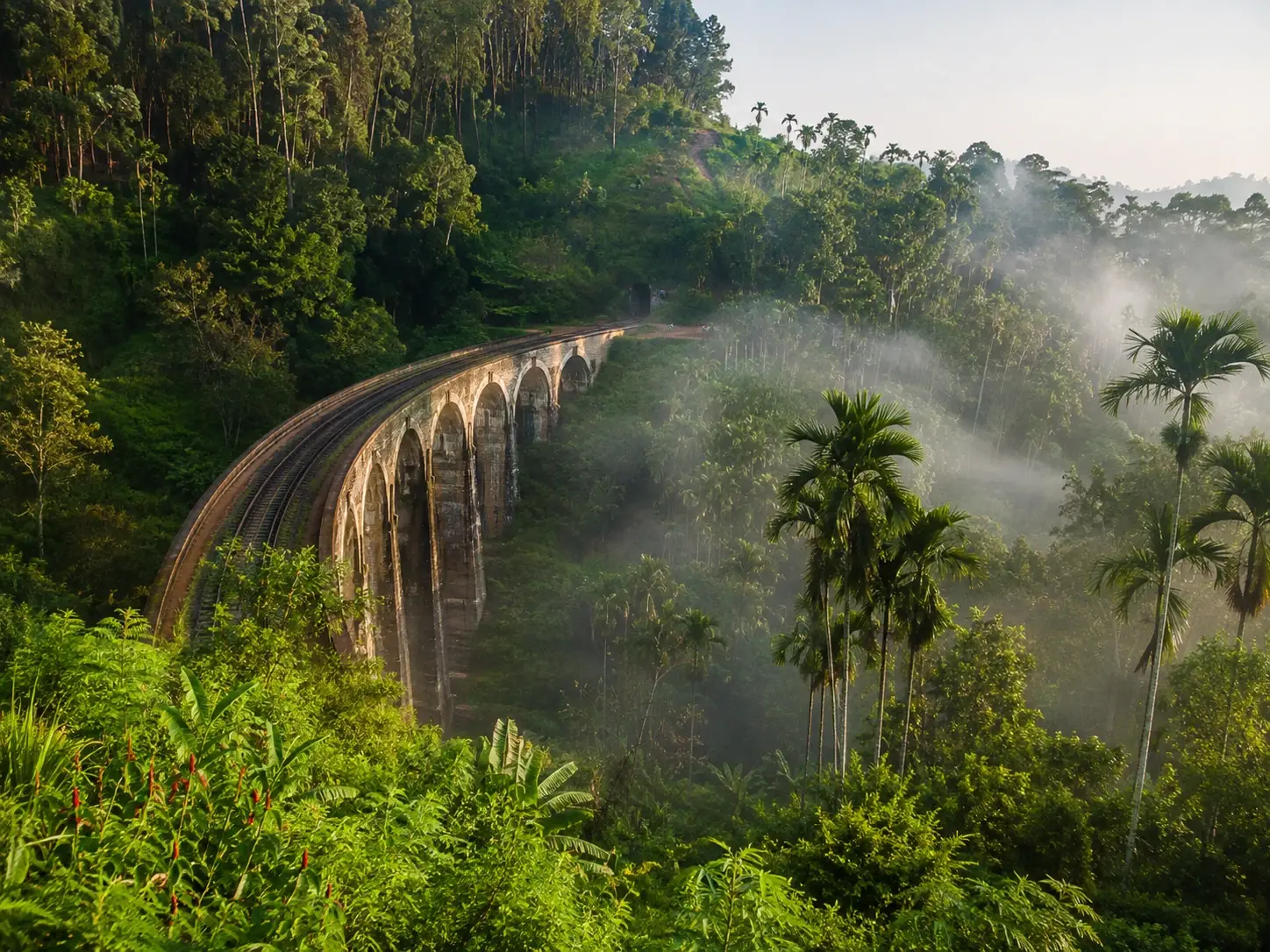
Ella is one of the island’s strongest visual destinations and works best as a slower hill-country section between cultural travel and the south.