Best time to visit
Conditions vary, but dry windows and local guidance matter for trail comfort and visibility in the forest.
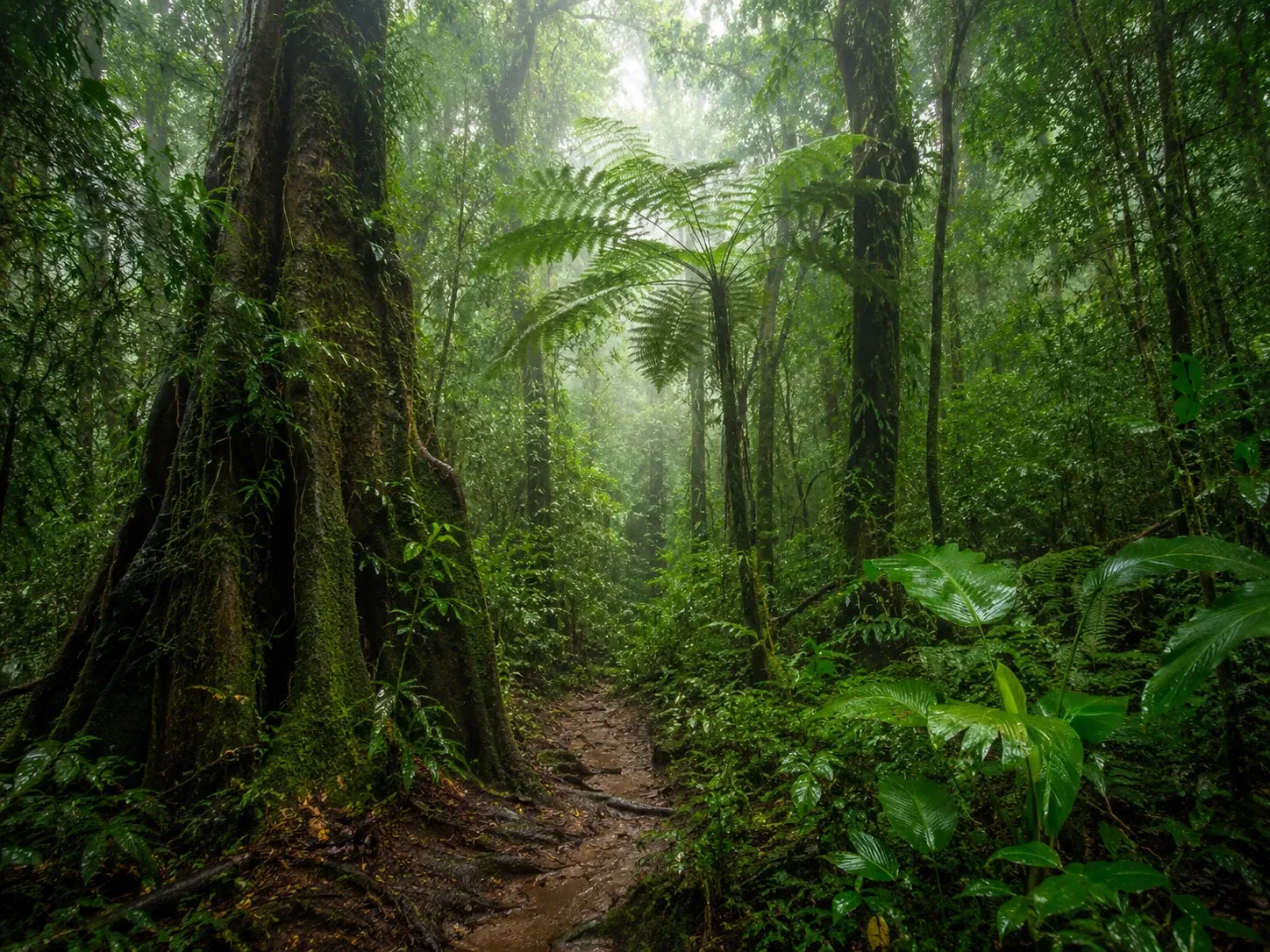
UNESCO-listed rainforest destination for biodiversity and guided nature walks.
Sinharaja is one of Sri Lanka’s strongest nature destinations for travellers who want rainforest ecology rather than monument-heavy travel.
Its significance comes from biodiversity and conservation value rather than built heritage, making it a different kind of high-value stop.
Conditions vary, but dry windows and local guidance matter for trail comfort and visibility in the forest.
It is usually accessed from the southwest or Sabaragamuwa side and works best on customised or longer itineraries.
Sinharaja is the largest remaining stretch of primary lowland rainforest in Sri Lanka and a UNESCO World Heritage site. Its significance is biological rather than scenic: a very high proportion of the island's endemic birds, amphibians and trees are found here, and many exist nowhere else. Birders come for the mixed-species feeding flocks, which are among the best studied anywhere.
One to two nights nearby, with guided walks on consecutive mornings. A single short walk rarely does it justice, because rainforest wildlife is heard more than seen and the difference between a poor and a good visit is largely the guide and the time of day. Entry is with a registered guide rather than alone.
It rains here in every month; the drier windows are broadly January to March and August to September, but 'drier' is relative. Land leeches are common on the forest floor and are harmless but persistent — leech socks are the standard answer and are usually available locally. Closed shoes with grip, a light waterproof and insect repellent are the practical minimum.
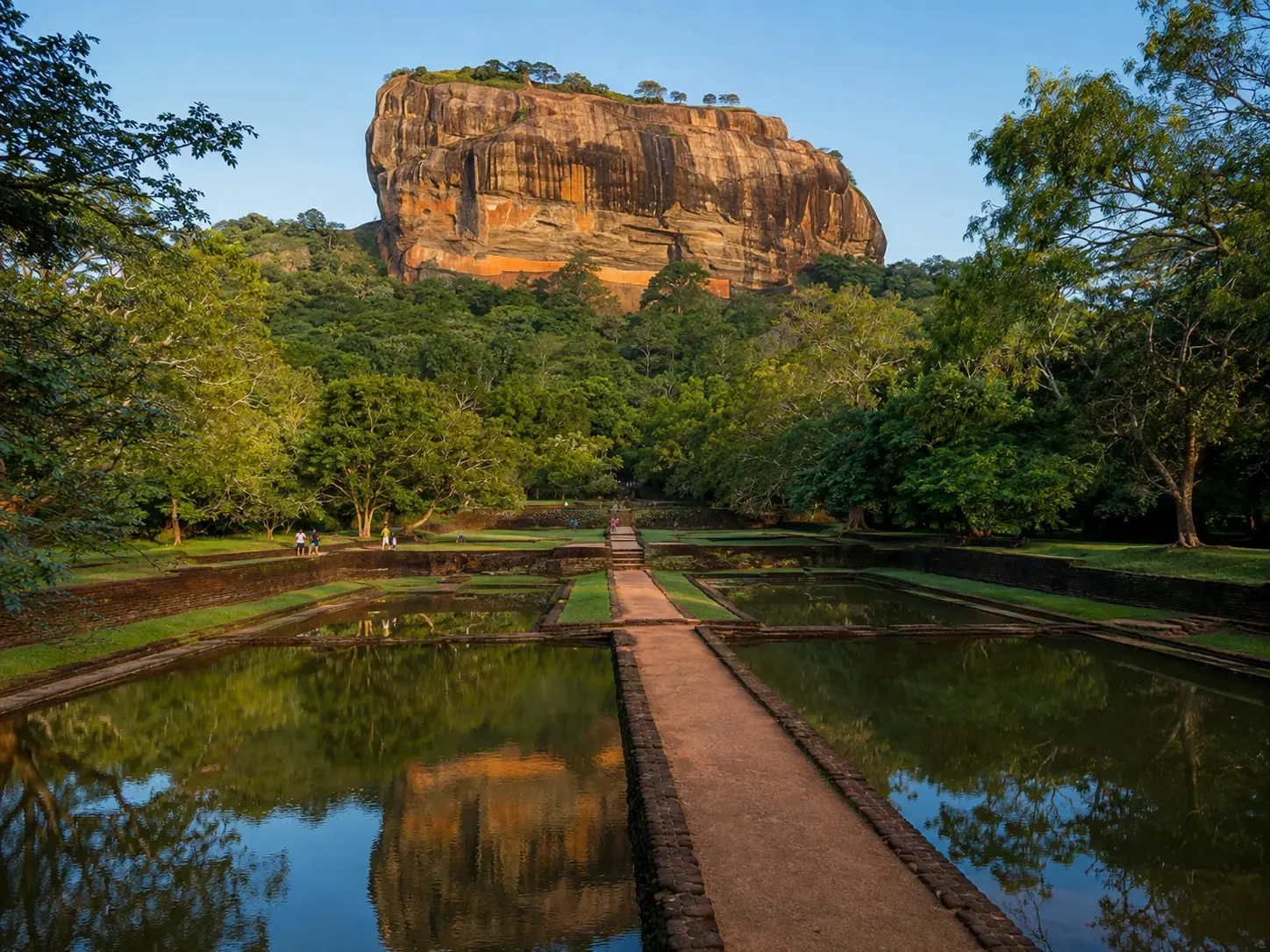
Sigiriya is one of the most recognisable attractions in Sri Lanka and remains a core stop in island itineraries built around history, archaeology, and landscape views.
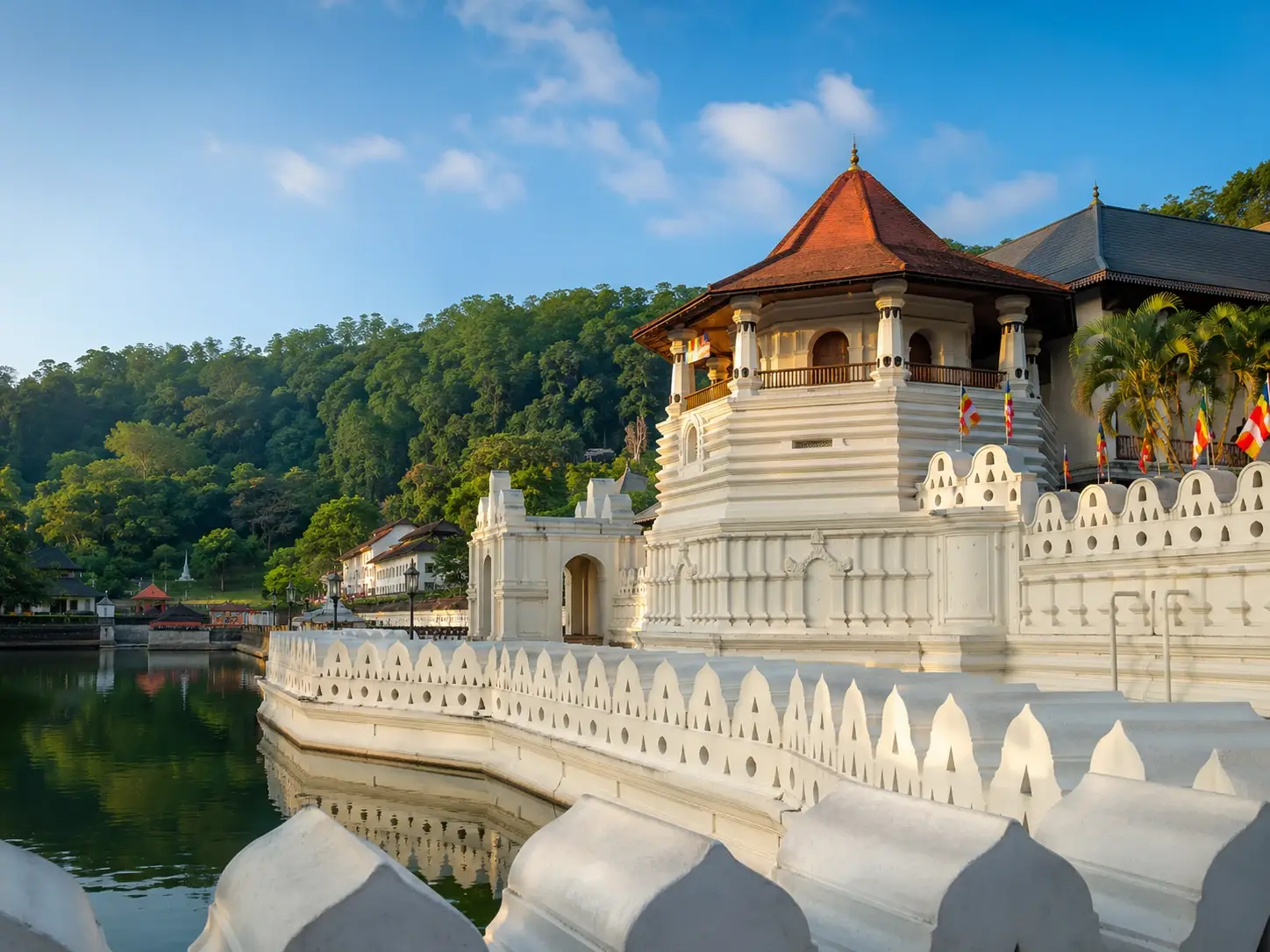
Kandy is one of the island’s most important cultural cities and works especially well as a transition point between the Cultural Triangle and the hill country.
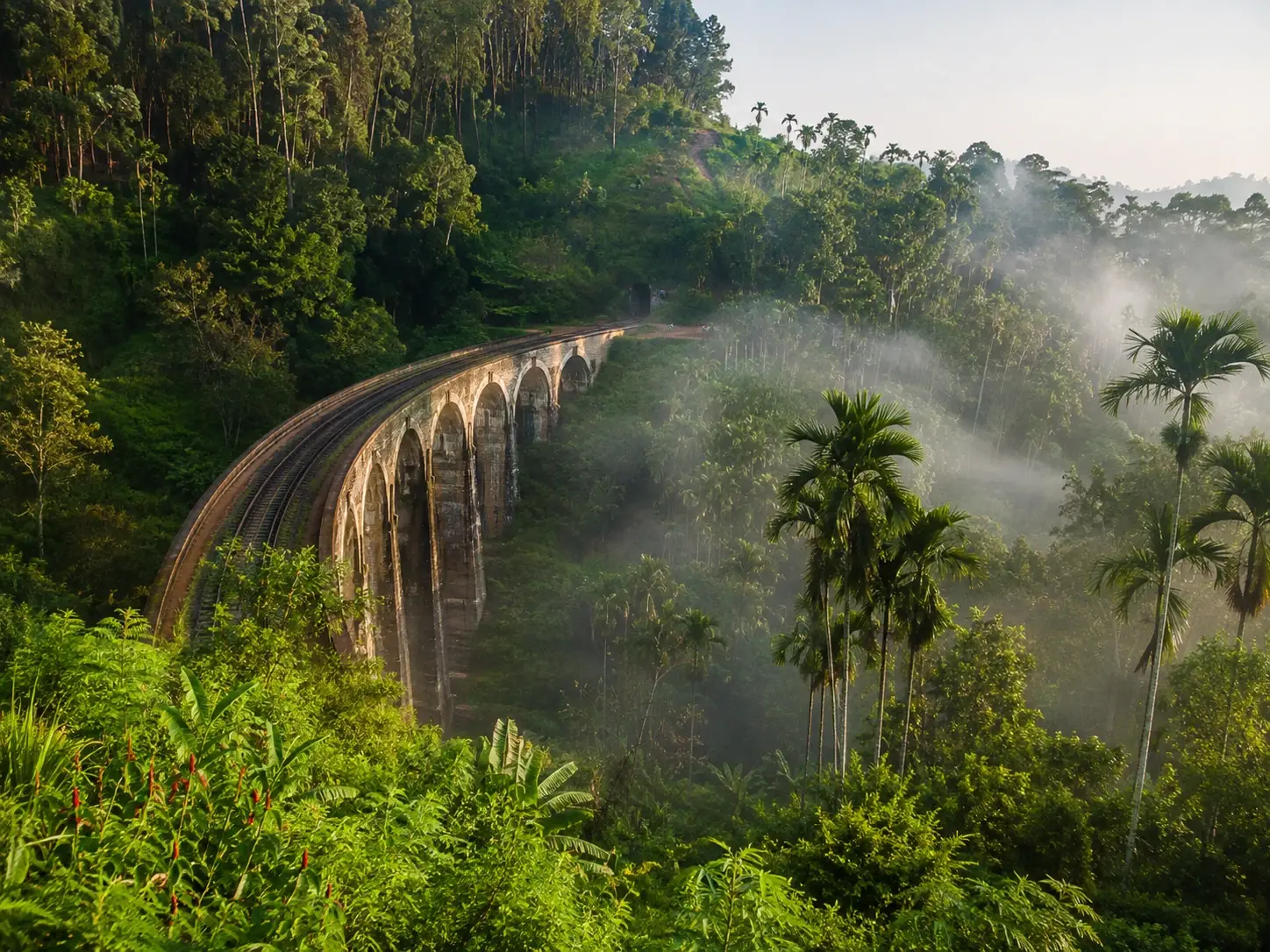
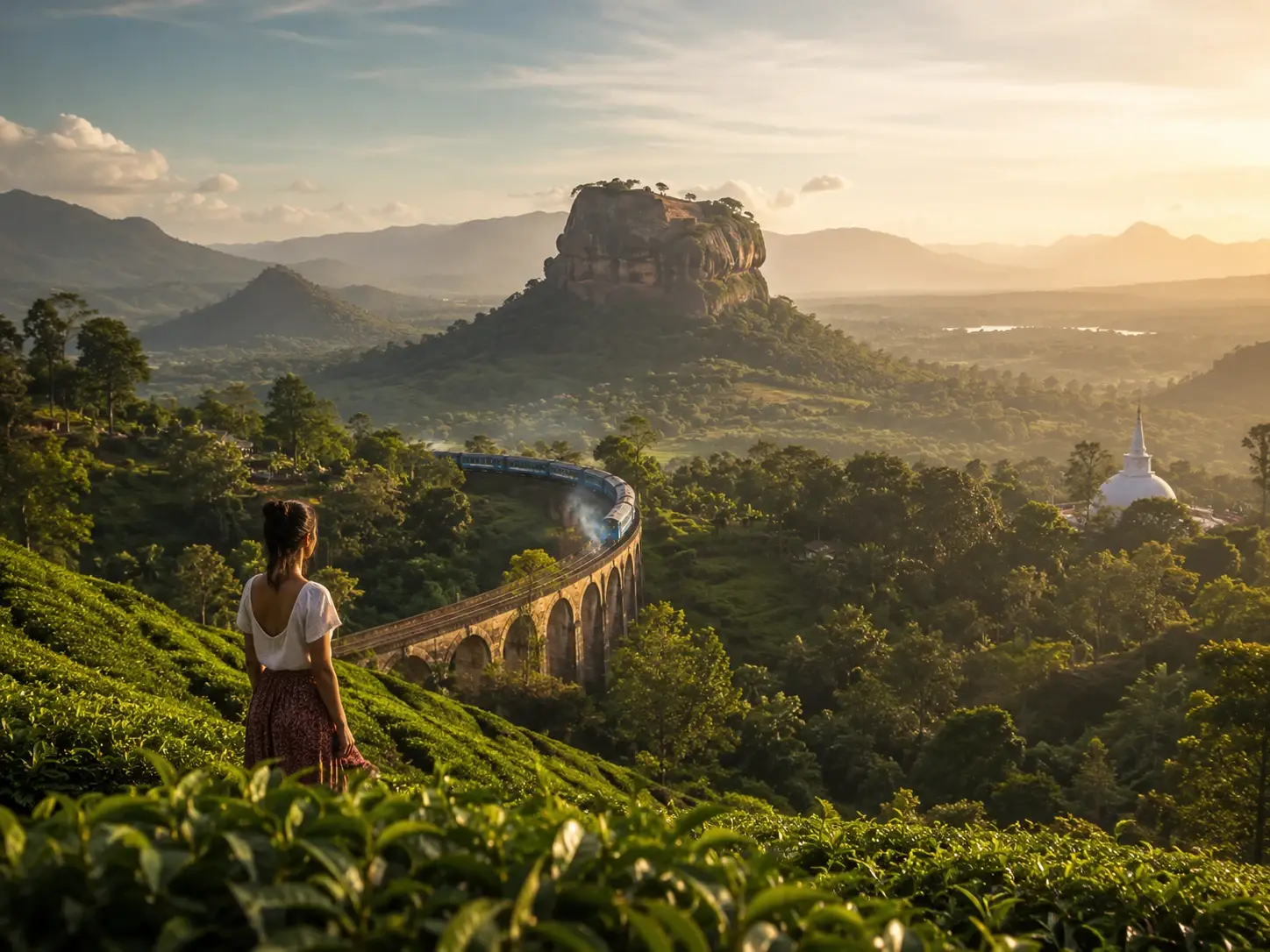
Ella is one of the island’s strongest visual destinations and works best as a slower hill-country section between cultural travel and the south.