
Best time to visit
Cooler mornings in the drier months are ideal for walking or cycling through the site, though it remains visitable throughout the year.
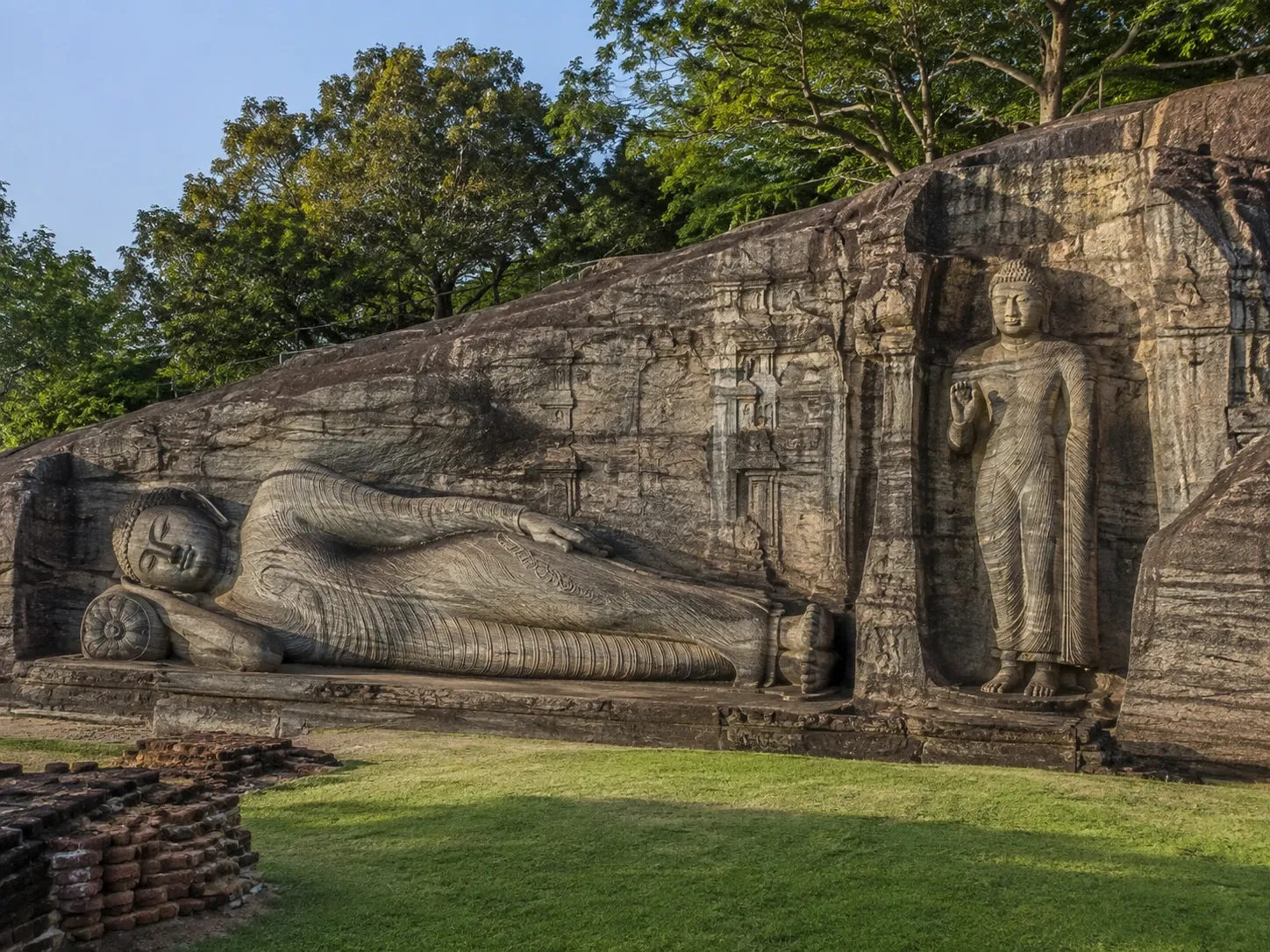
Medieval royal city with ruins spread across an easy archaeological zone.
Polonnaruwa is one of the strongest archaeological destinations in the country and works especially well for travellers who want a broader heritage program beyond Sigiriya.
It was a major royal capital in the medieval era and remains known for its palace ruins, temple structures, and the sculptural highlights of Gal Vihara.
Cooler mornings in the drier months are ideal for walking or cycling through the site, though it remains visitable throughout the year.
The ruins are usually reached from Sigiriya, Dambulla, or Habarana and are commonly paired with Minneriya safaris.
Polonnaruwa was Sri Lanka's capital after Anuradhapura fell, reaching its height in the twelfth century under Parakramabahu I. It is the ruined city that makes the most immediate sense to a visitor: the site is compact, the layout is still readable, and the standard of stonework is high. The Gal Vihara group — a seated, a standing and a reclining Buddha carved from one granite face — is the single most impressive piece of sculpture in the country.
Half a day is enough for the main quadrangle and Gal Vihara; a full day if you want the outlying groups. Because the ruins are spread over a few kilometres of flat ground under shade trees, this is one of the few archaeological sites in Sri Lanka that genuinely rewards cycling, and bicycles are widely available near the entrance. Otherwise a vehicle can move you between the clusters.
The dry zone setting means it is visitable year-round, with the heaviest rain typically from the north-east monsoon around November to January. Early morning is the comfortable window. The Parakrama Samudra, the vast reservoir on the town's western edge, is part of the same twelfth-century engineering and is worth the short detour at the end of the day — it is also where much of the local birdlife concentrates.
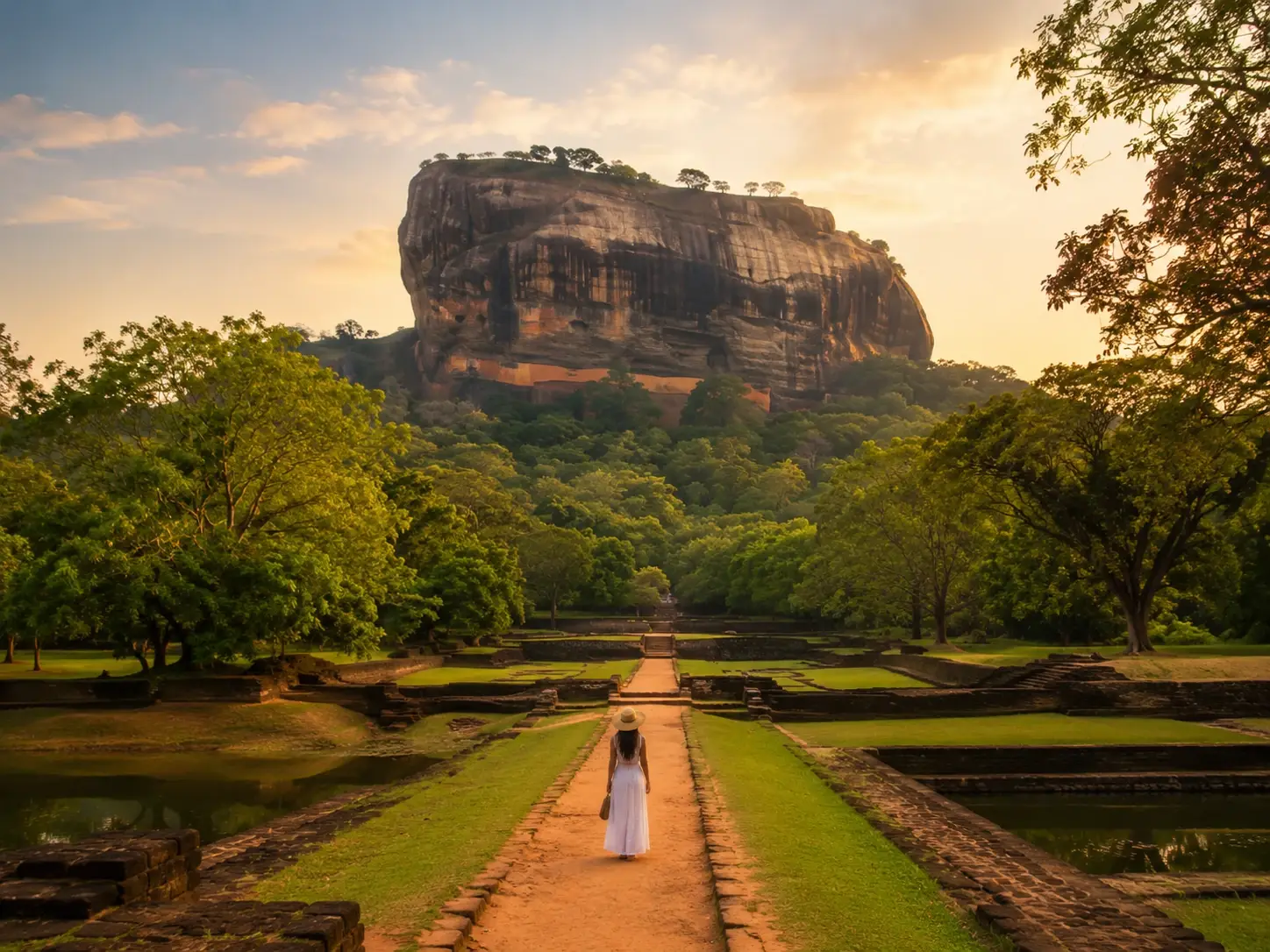
A high-trust cultural route covering Sigiriya, Dambulla, Polonnaruwa, Kandy, and Ella with private transport and curated accommodation.
Best for first-time travellers
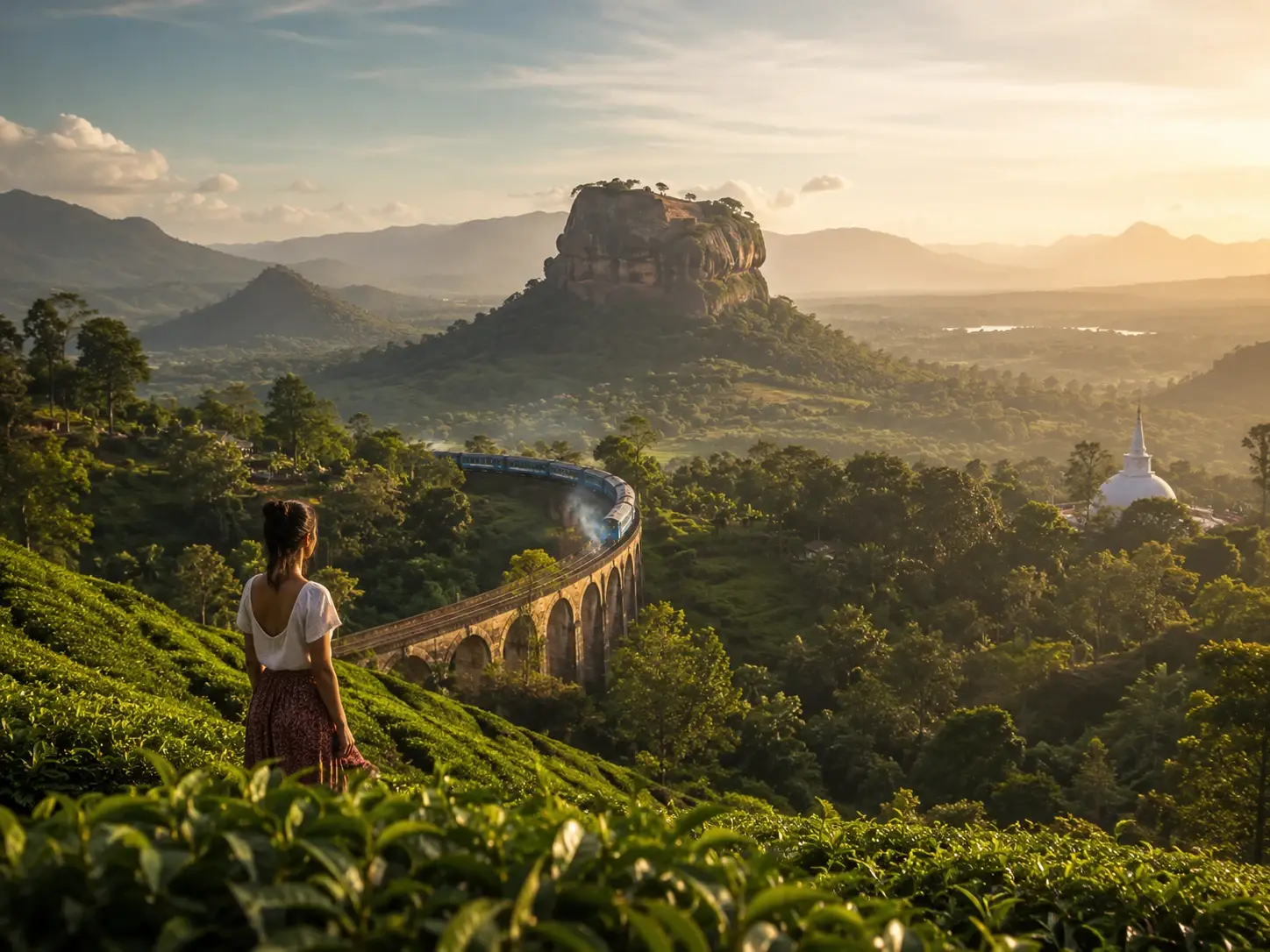
A long-format journey connecting Sri Lanka’s strongest regions without rushing every day into a checklist.
Best for full island trips
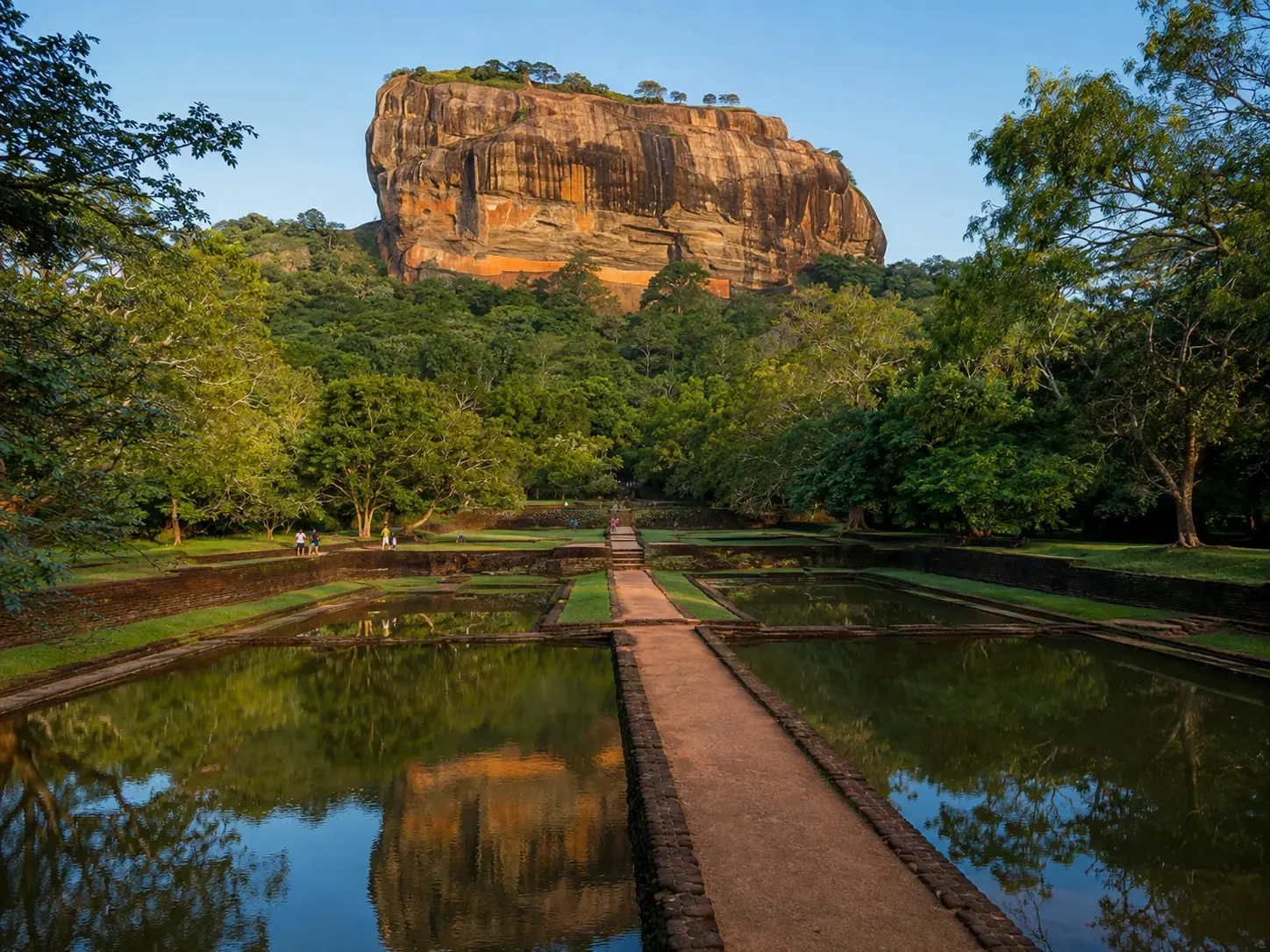
Sigiriya is one of the most recognisable attractions in Sri Lanka and remains a core stop in island itineraries built around history, archaeology, and landscape views.
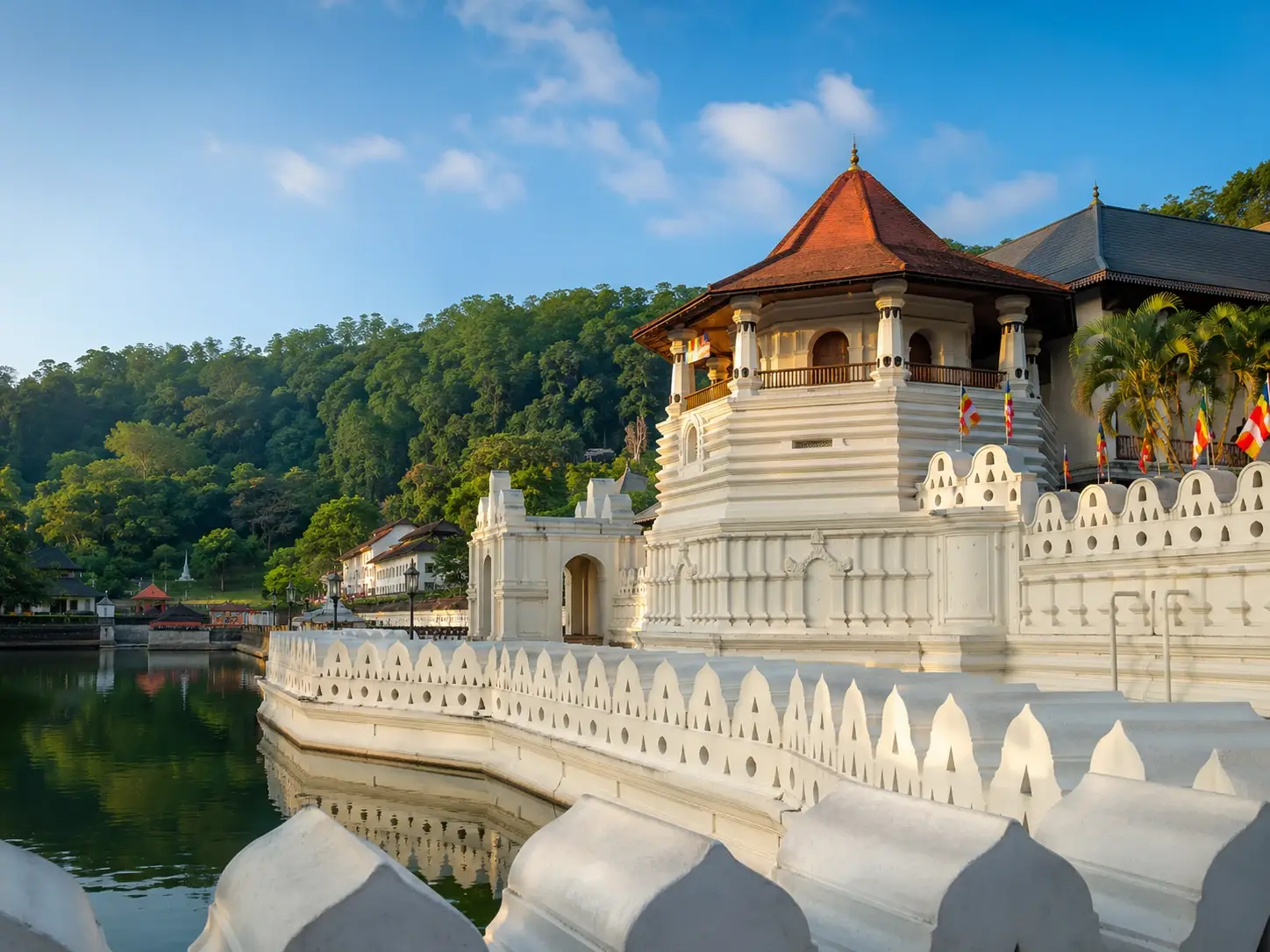
Kandy is one of the island’s most important cultural cities and works especially well as a transition point between the Cultural Triangle and the hill country.
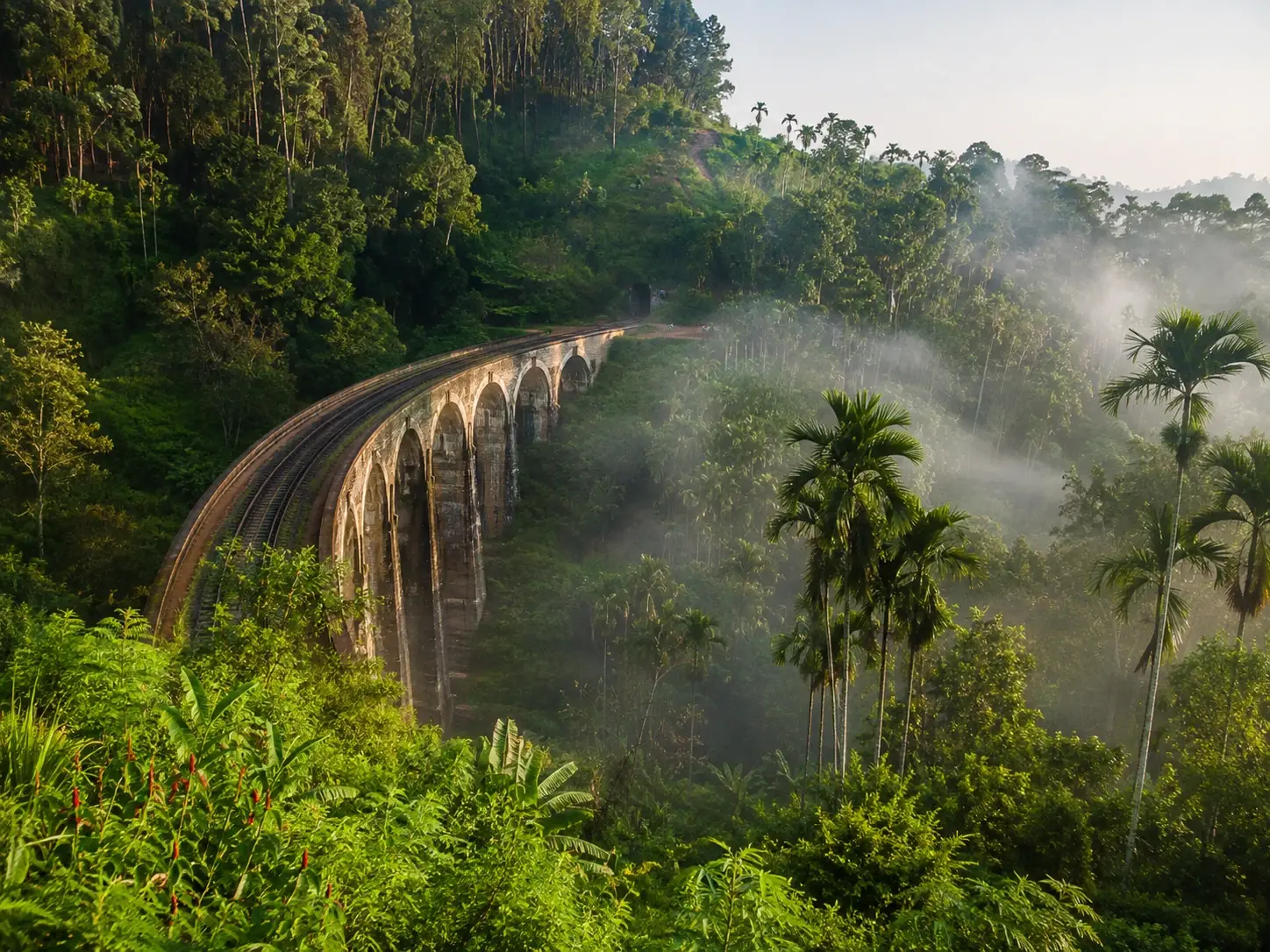
Ella is one of the island’s strongest visual destinations and works best as a slower hill-country section between cultural travel and the south.