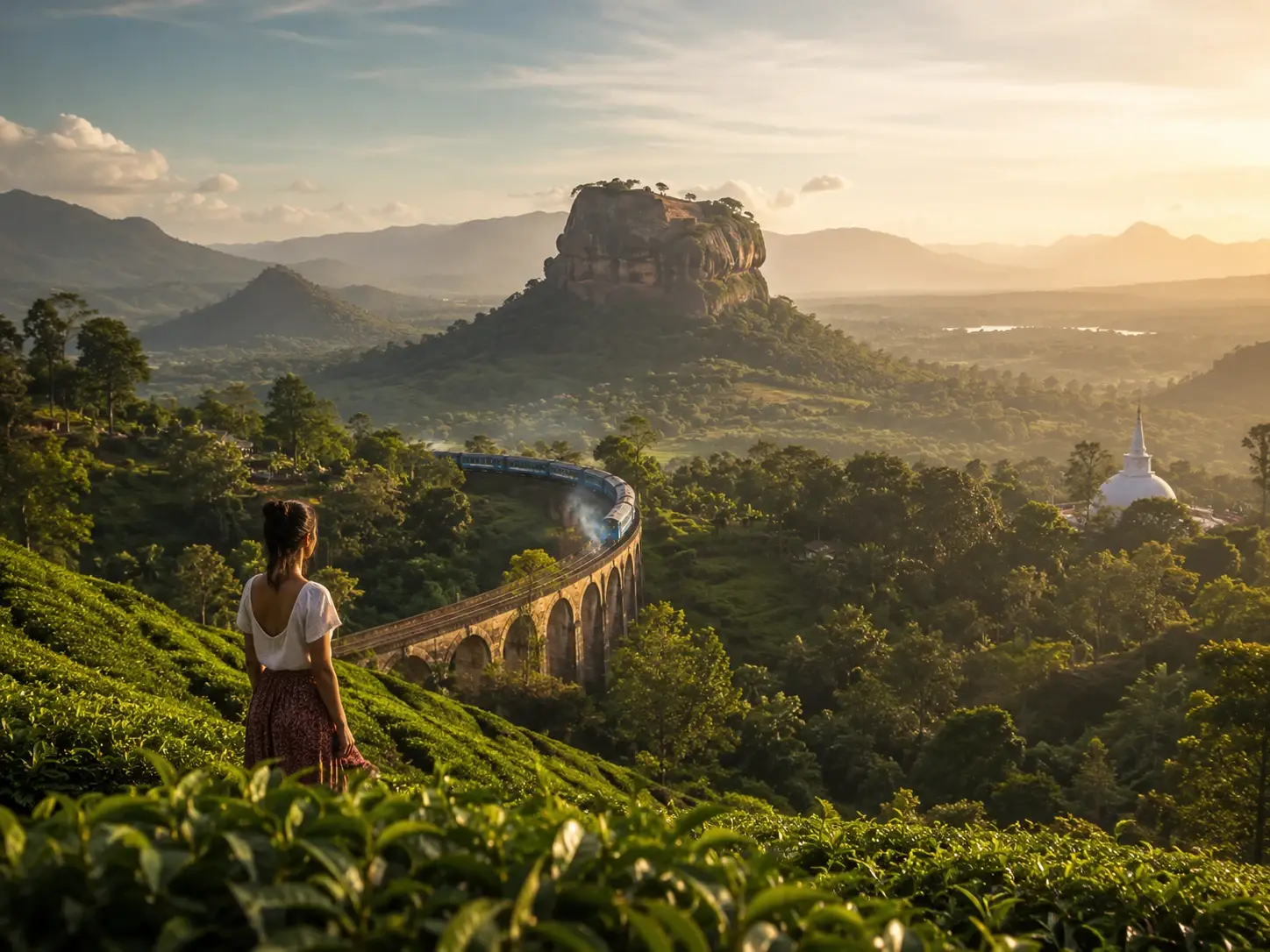
Best time to visit
The west coast is generally more comfortable during the drier season from December through April.
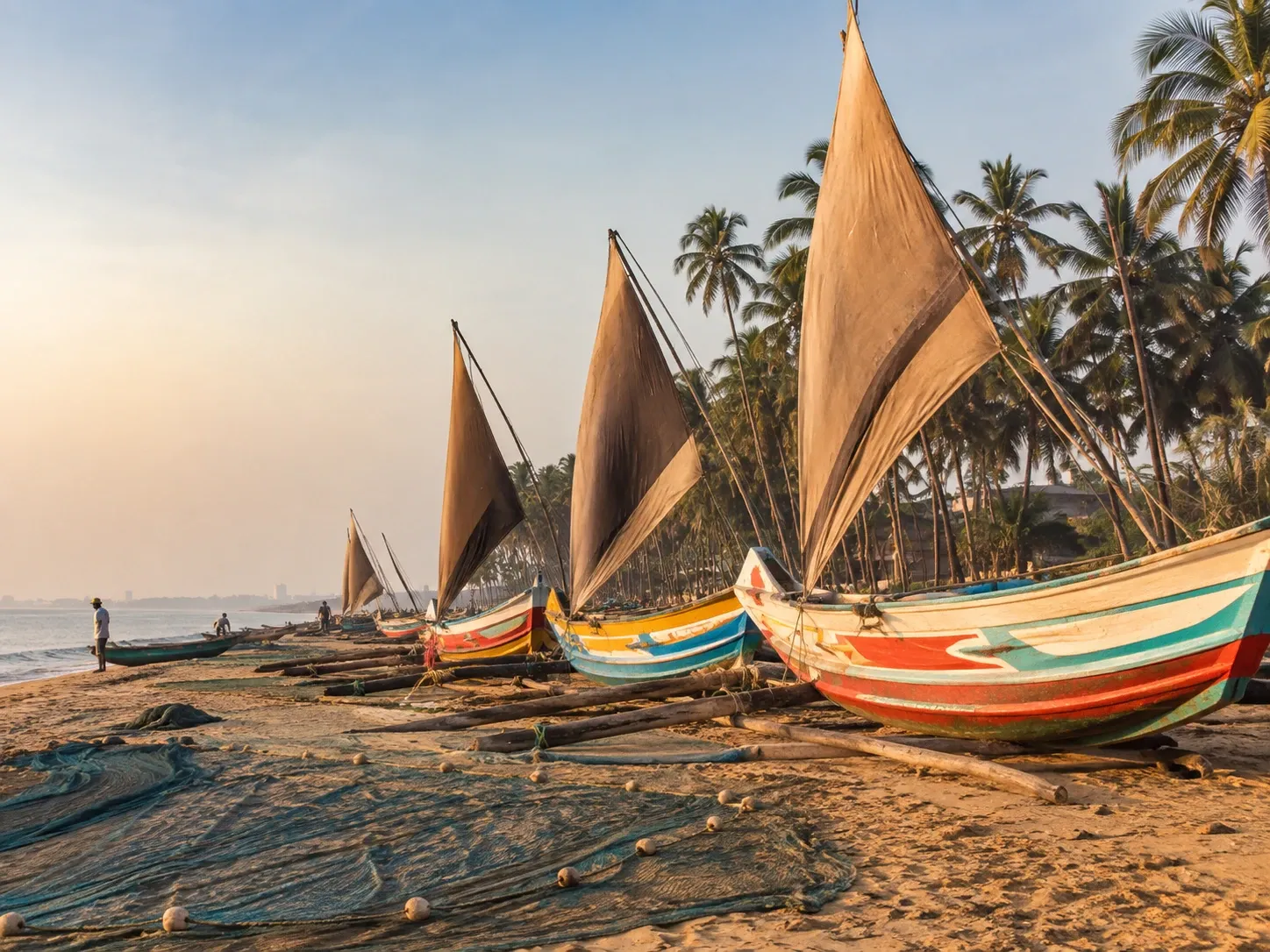
Airport-adjacent coastal town often used for first or last nights in Sri Lanka.
Negombo is less about being the island’s most dramatic attraction and more about making arrival and departure logistics easy without losing a coastal feel.
It has a layered coastal and colonial history, though in tourism terms it functions mainly as a practical transit-friendly beach town.
The west coast is generally more comfortable during the drier season from December through April.
It sits close to Bandaranaike International Airport and is one of the easiest first-night or last-night stops in the country.
Negombo's value is location: it is the closest beach town to Bandaranaike International Airport, close enough that an early flight or a late arrival stops being a problem. But it is a genuine town rather than an airport annexe — a large Catholic fishing community, a working fleet of outrigger boats, a busy fish market, and a Dutch-era canal that still runs through the middle of it.
One night, at the start or end of a trip. Very few itineraries benefit from more, and the beaches further south are better if beach time is the point. What Negombo does well is absorb the awkward hours around a flight without spending them in Colombo traffic.
The fish market is at its most active early, and the lagoon and canal can be seen by boat. St Mary's Church and the remains of the Dutch fort are within the town. If your flight is in the evening, this is a more pleasant way to spend the day than a hotel lobby — and the drive to the airport is short enough that it does not put the flight at risk.
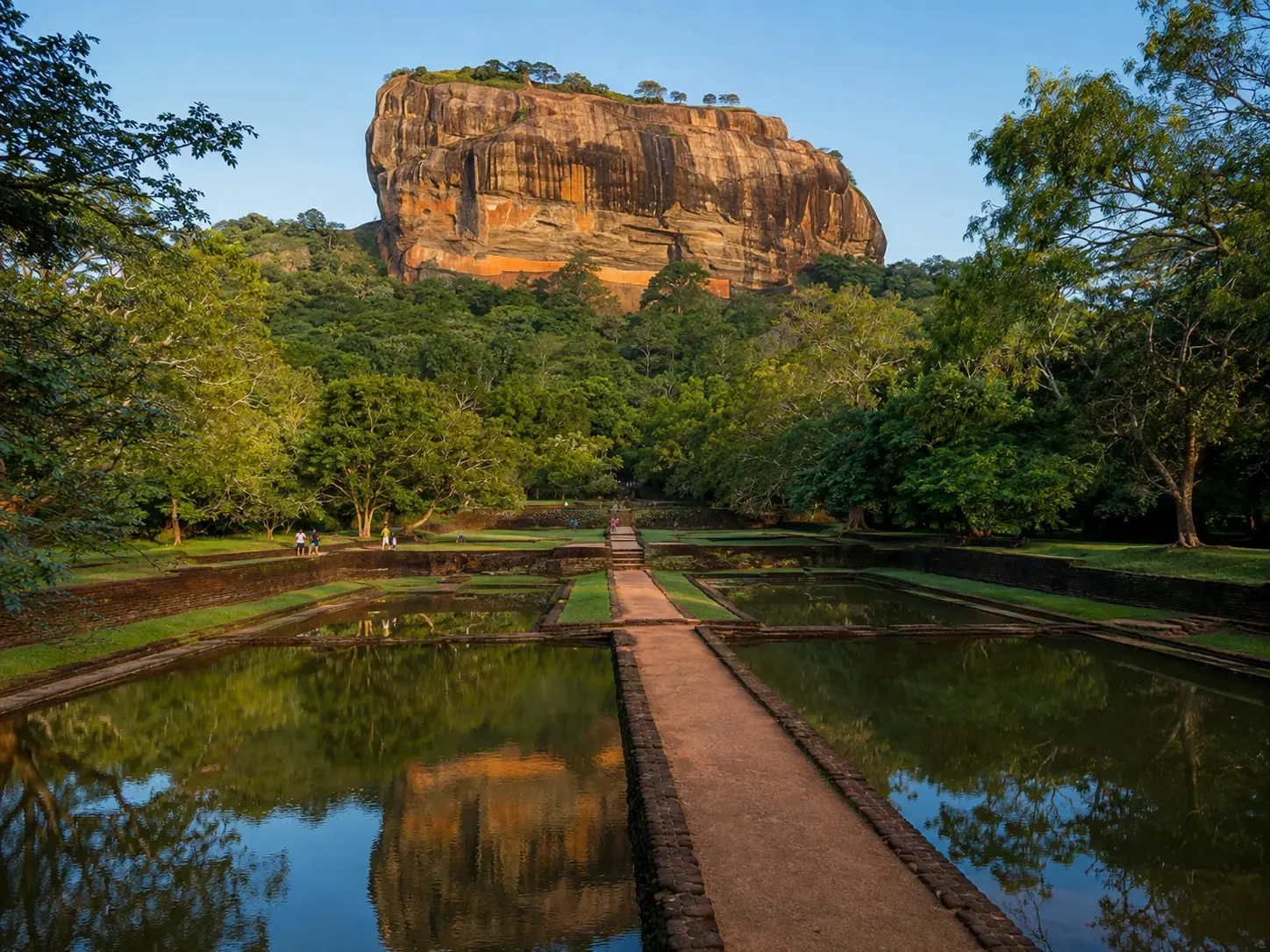
Sigiriya is one of the most recognisable attractions in Sri Lanka and remains a core stop in island itineraries built around history, archaeology, and landscape views.
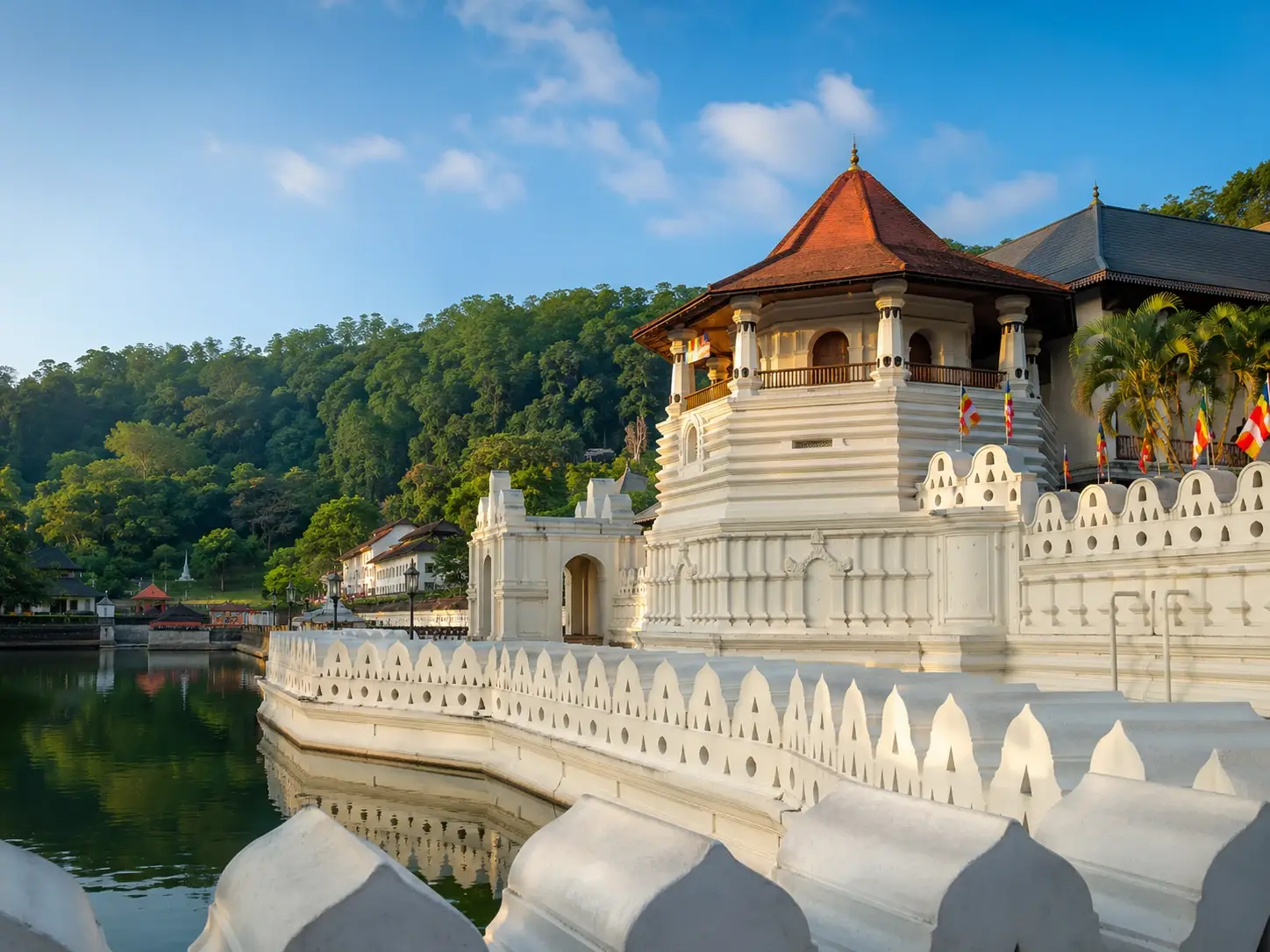
Kandy is one of the island’s most important cultural cities and works especially well as a transition point between the Cultural Triangle and the hill country.
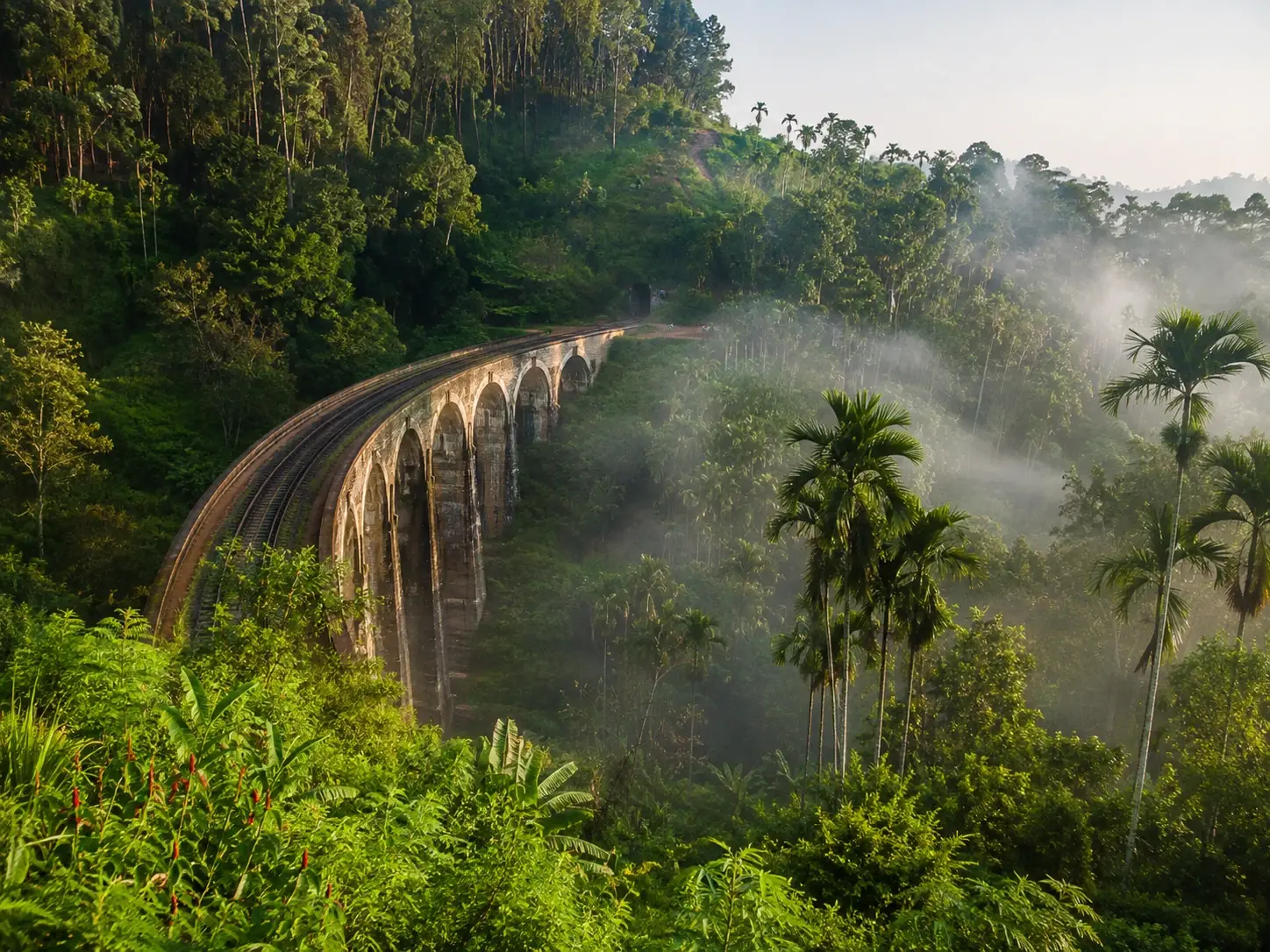
Ella is one of the island’s strongest visual destinations and works best as a slower hill-country section between cultural travel and the south.