Best time to visit
Travel is easier in drier periods, especially for visitors combining Mannar with northern or northwestern routes.
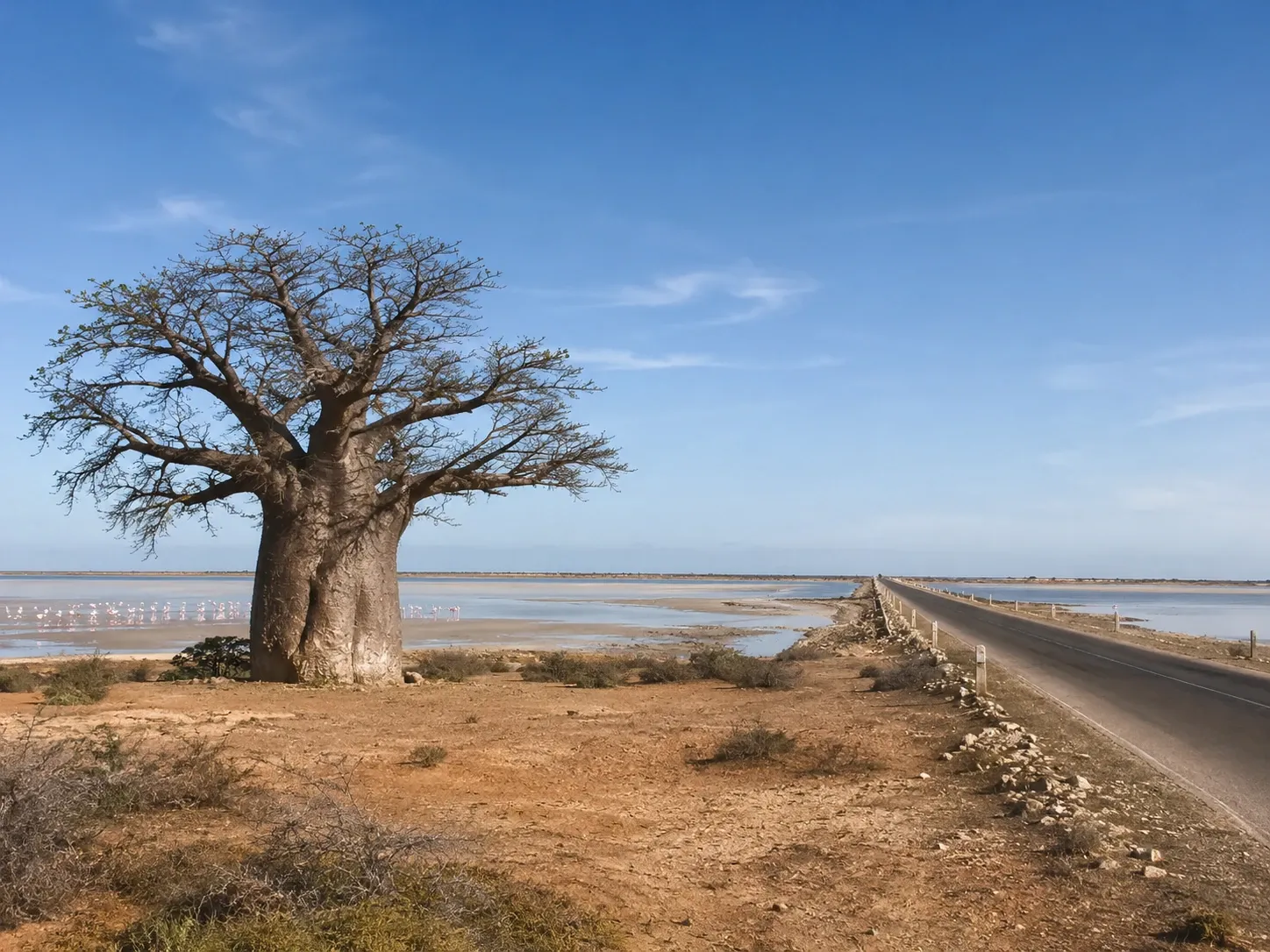
Causeway-linked island district with birdlife, coastal flats, and a sparse landscape character.
Mannar is a more specialist destination, suited to travellers who want a wilder coastal northwest rather than a standard beach stop.
Its role in trade, migration, and the island’s northwestern coastal history gives it a different identity from the more familiar tourism corridors.
Travel is easier in drier periods, especially for visitors combining Mannar with northern or northwestern routes.
Mannar is most often added to longer northern itineraries rather than shorter classic circuits.
Mannar is an island connected to the northwest coast by a causeway, and it is unlike the rest of the country. Baobab trees, brought centuries ago from East Africa, grow around the island. Beyond its western tip lies the chain of sandbanks and islets known as Adam's Bridge, running towards India. The island is also one of the most important migratory bird sites in Sri Lanka, with large numbers of waders and flamingos in season.
One or two nights, usually as part of a northern route between Wilpattu, Anuradhapura and Jaffna. Mannar has limited accommodation and is not set up for a long beach stay; it rewards people interested in birds, in the landscape, and in a part of the country that few itineraries reach.
For birds, the northern migration season broadly from November to March is when numbers are highest. That is also when the north-east monsoon can bring rain, so it is a trade-off rather than a clear best month. The old Dutch fort at the causeway end and the baobab near Pallimunai are the usual first stops.
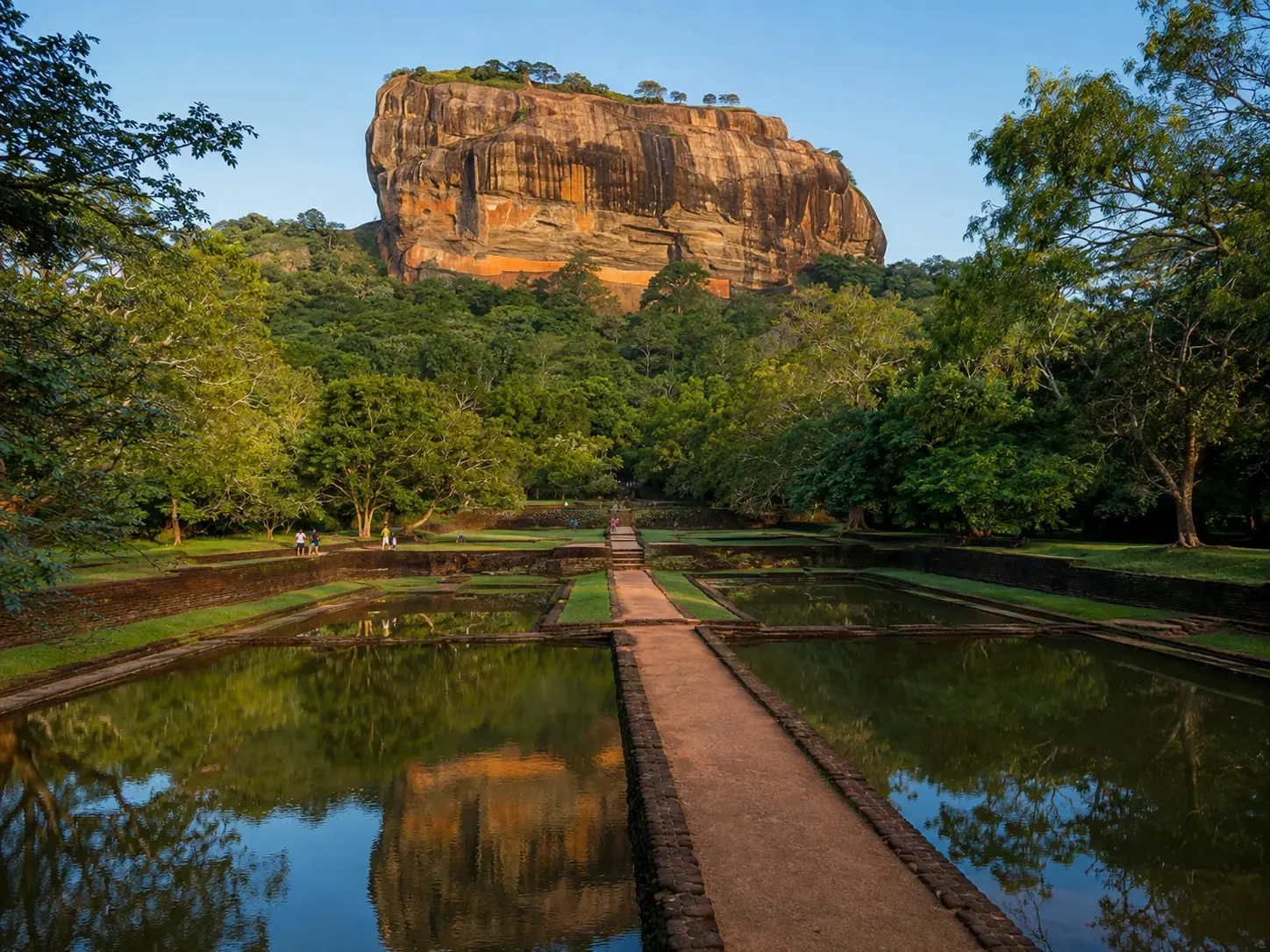
Sigiriya is one of the most recognisable attractions in Sri Lanka and remains a core stop in island itineraries built around history, archaeology, and landscape views.
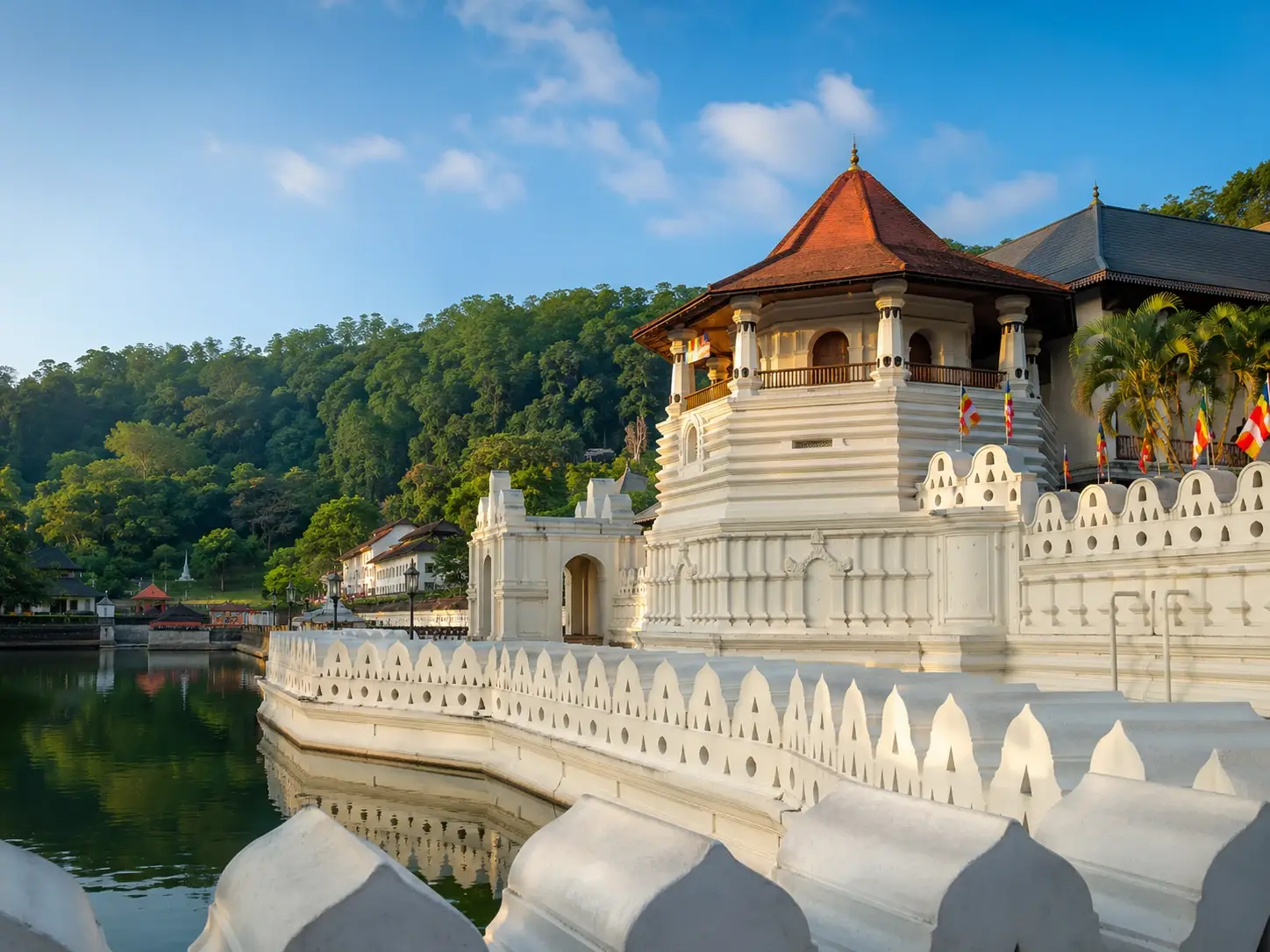
Kandy is one of the island’s most important cultural cities and works especially well as a transition point between the Cultural Triangle and the hill country.
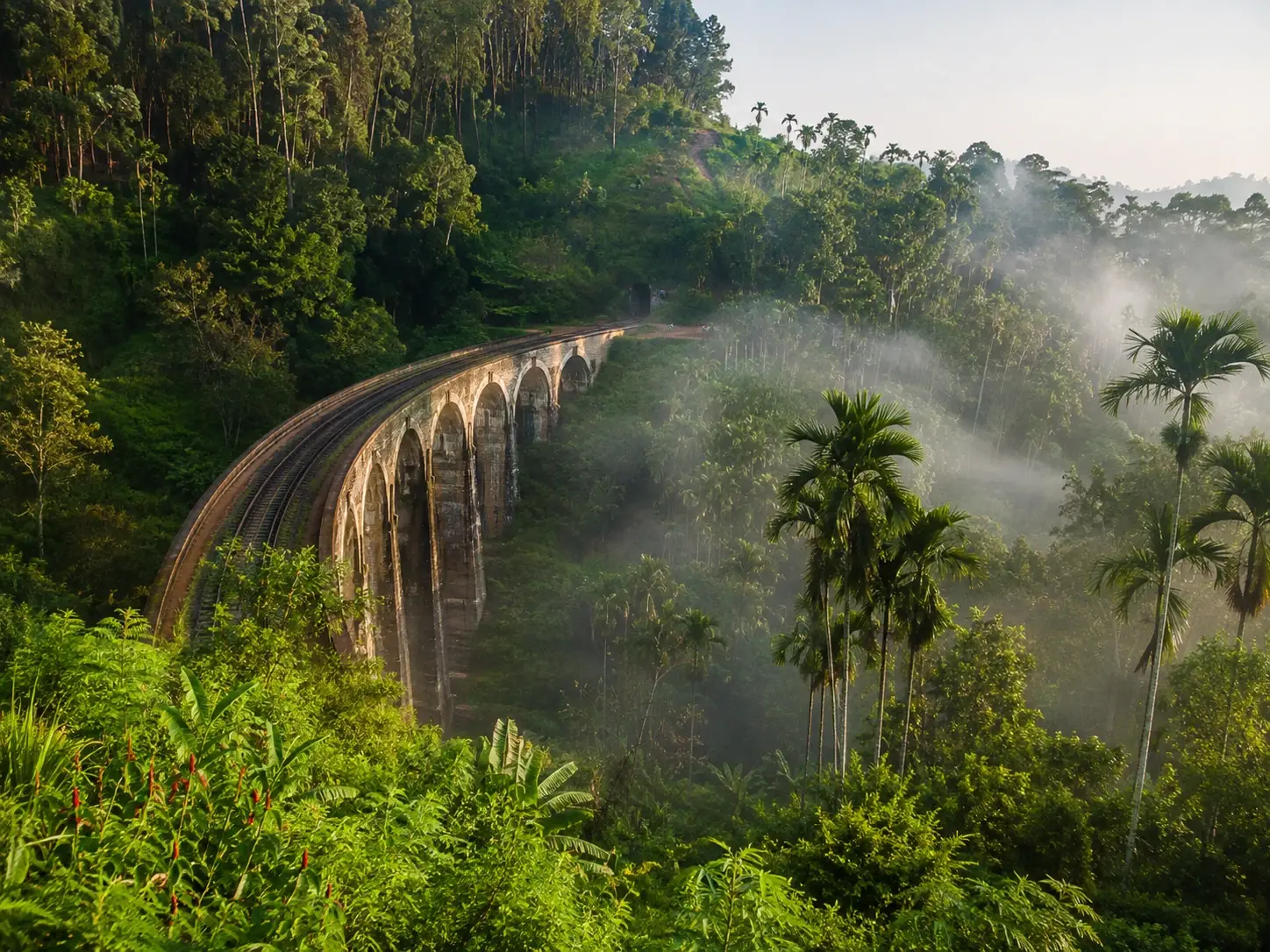
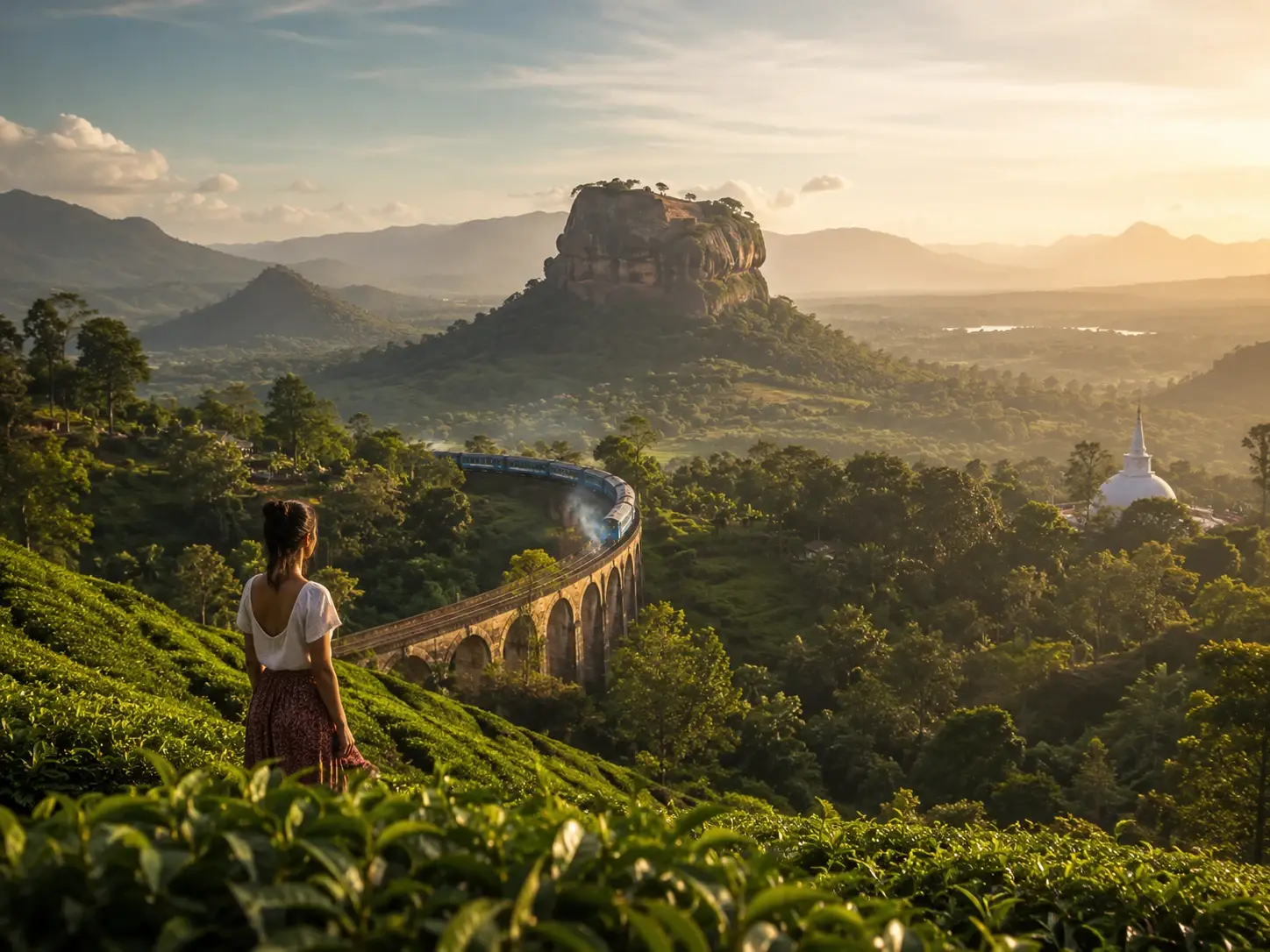
Ella is one of the island’s strongest visual destinations and works best as a slower hill-country section between cultural travel and the south.