Best time to visit
Drier months tend to make northern travel easier, though the real consideration is whether a route has enough time to make the journey worthwhile.
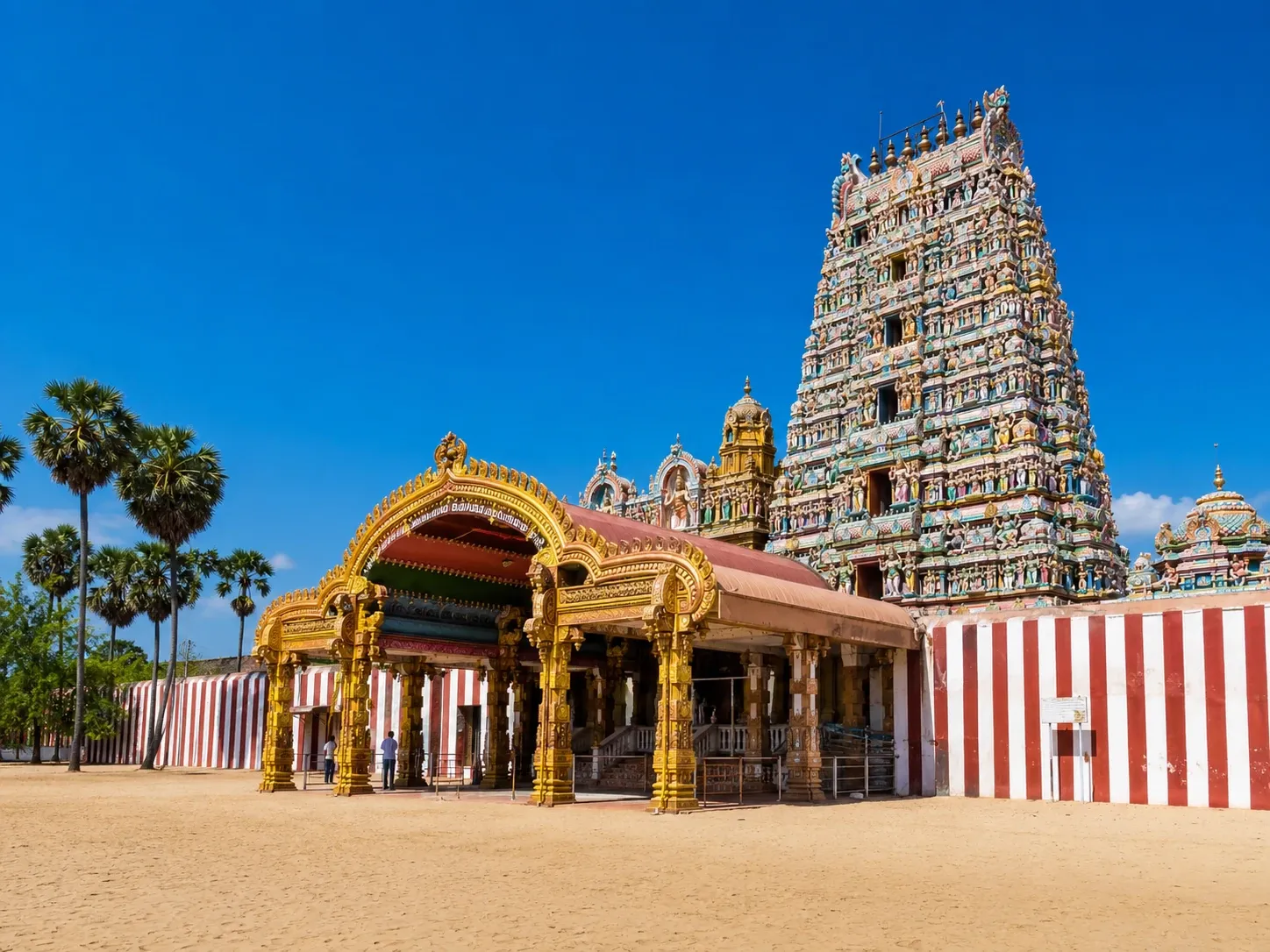
Northern cultural centre with temples, island excursions, and a distinctly different pace.
Jaffna gives travellers a very different regional feel from southern or central Sri Lanka and is strongest on longer itineraries that want geographic breadth.
The peninsula carries layered Tamil, colonial, and post-conflict history that makes it culturally important beyond conventional resort travel.
Drier months tend to make northern travel easier, though the real consideration is whether a route has enough time to make the journey worthwhile.
It is reached by long road or rail journeys from Colombo and is often combined with islands such as Delft or with Mannar and Anuradhapura.
Jaffna is the cultural capital of the Tamil north and feels distinct from anywhere else in Sri Lanka — in language, religion, architecture, and food. The Nallur Kandaswamy Kovil is one of the most significant Hindu temples in the country, the Dutch fort on the lagoon is among the largest they built in Asia, and the surrounding peninsula is flat, dry, palmyra-covered land quite unlike the south.
Two to three nights. Jaffna is a long way from everywhere else, so the journey needs to be part of the plan rather than an afterthought — the northern railway from Colombo runs the length of the country, and flying is possible. Once there, the islands to the west and the peninsula's temples and coastline justify the time.
The north is driest broadly from about March to September; the north-east monsoon brings rain around October to January. Jaffna's food is a genuine reason to visit — crab curry, palmyra products, and a distinct Tamil style. At Hindu temples, men are often expected to remove shirts before entering the inner areas, and shoes come off at the gate.
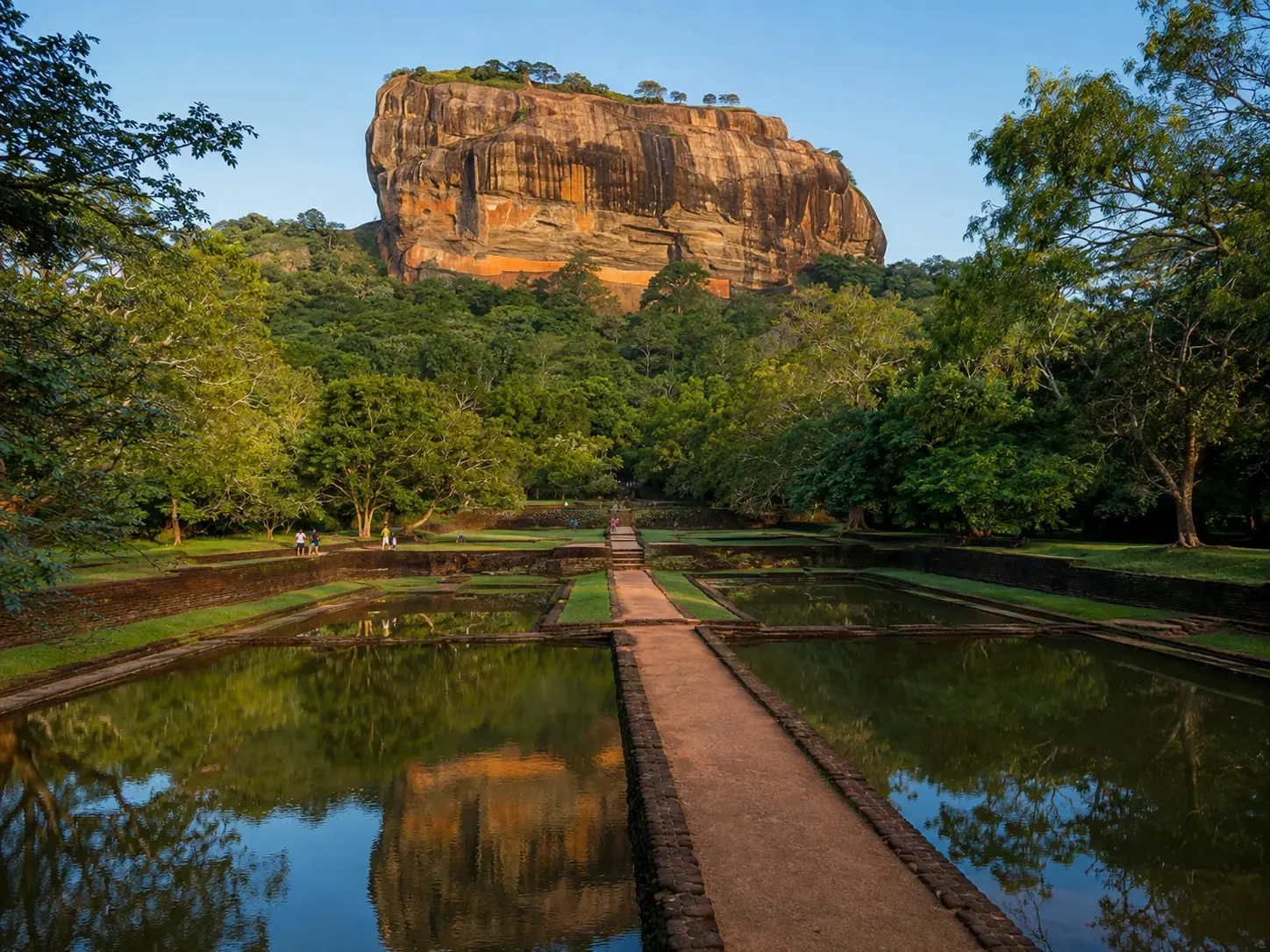
Sigiriya is one of the most recognisable attractions in Sri Lanka and remains a core stop in island itineraries built around history, archaeology, and landscape views.
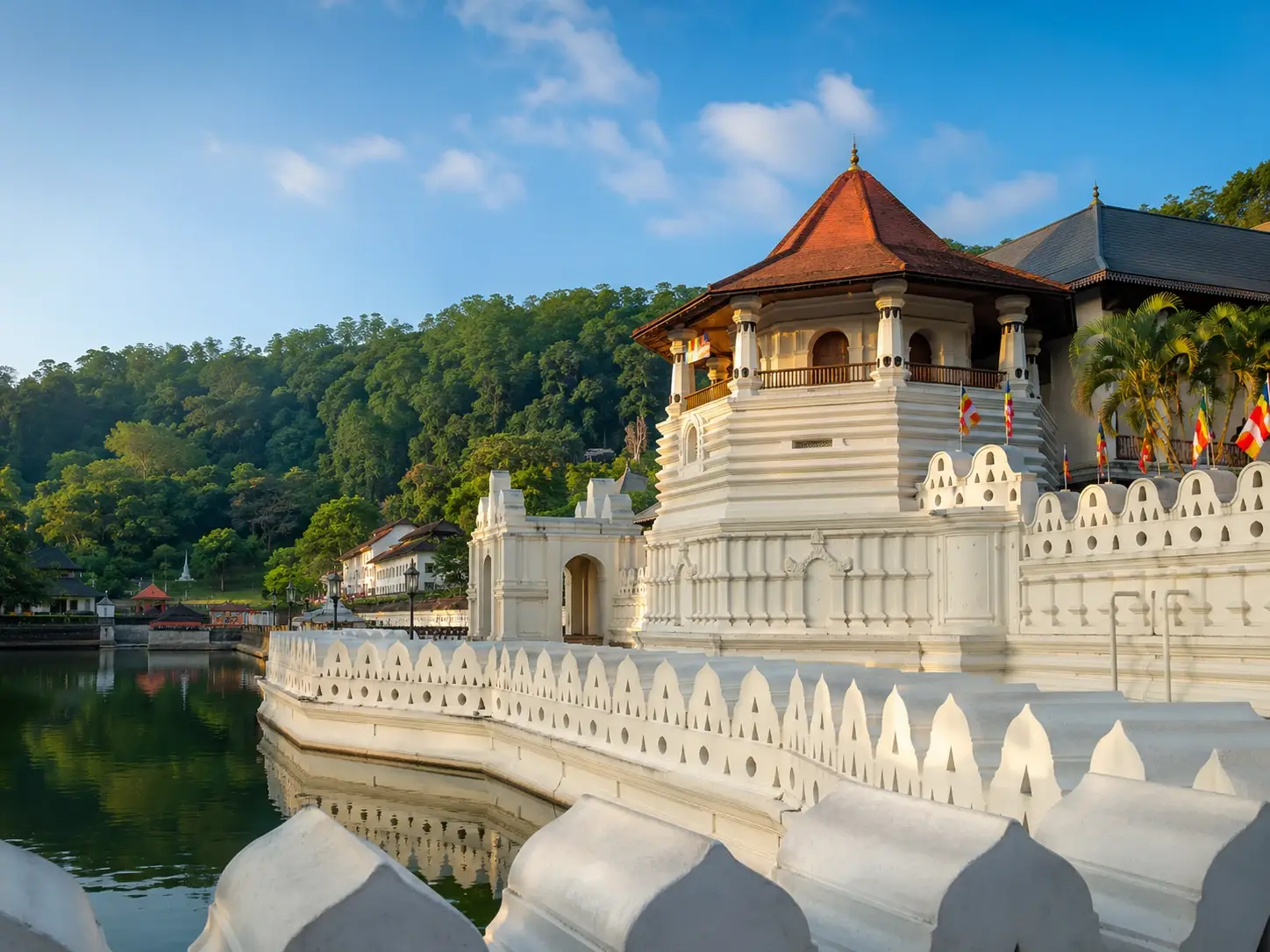
Kandy is one of the island’s most important cultural cities and works especially well as a transition point between the Cultural Triangle and the hill country.
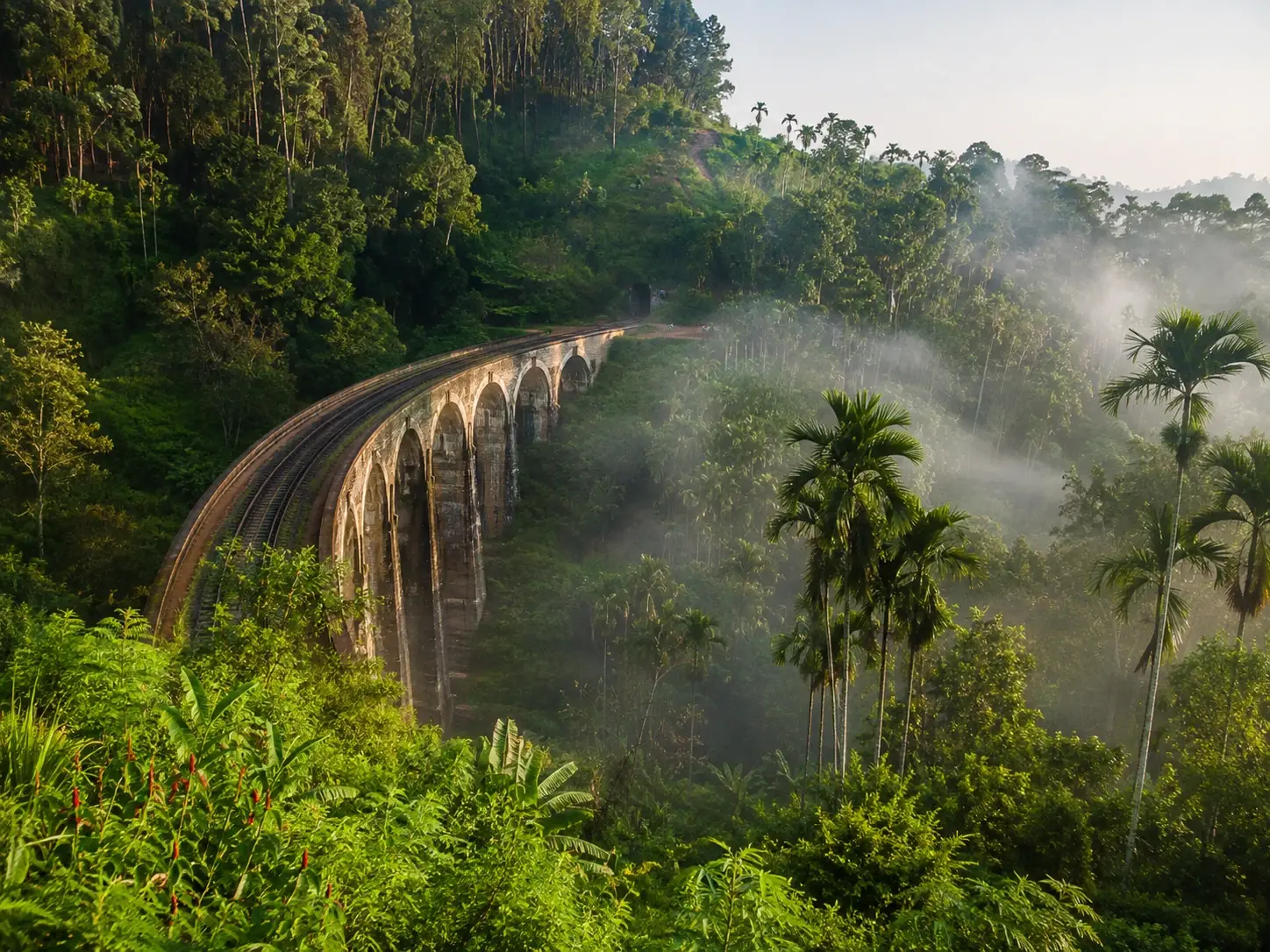
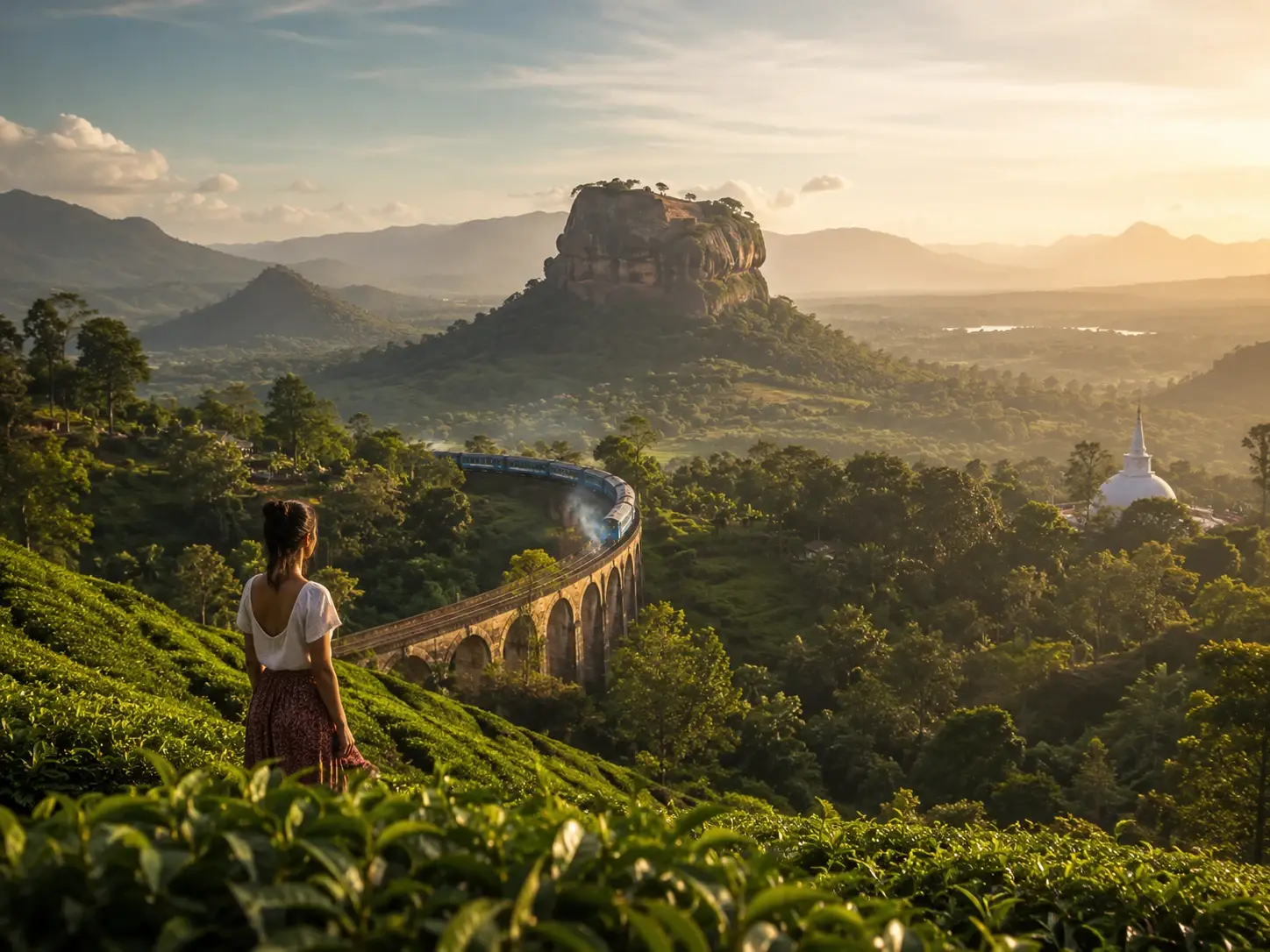
Ella is one of the island’s strongest visual destinations and works best as a slower hill-country section between cultural travel and the south.