Best time to visit
The city is visitable year-round, though drier months on the west coast are more comfortable for walking and open-air sightseeing.
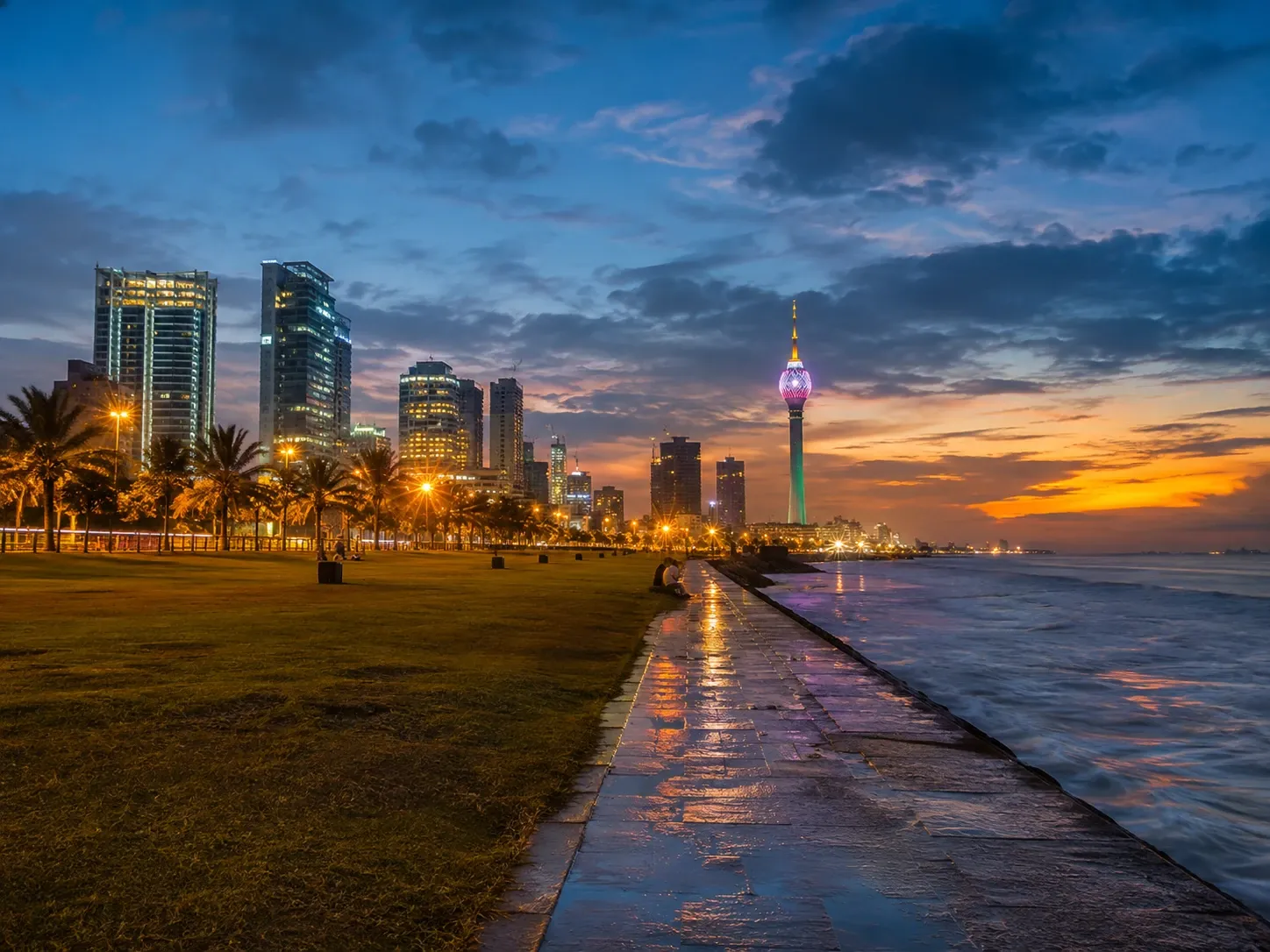
Sri Lanka’s commercial capital with museums, markets, and modern urban energy.
Colombo is often skipped too quickly, but it works well for travellers who want context, dining, and a more urban read on the island before moving inland.
Its modern identity reflects colonial port history, commercial growth, and the administrative role it still plays in national life.
The city is visitable year-round, though drier months on the west coast are more comfortable for walking and open-air sightseeing.
It is the main urban gateway for most international arrivals and can connect easily into almost every major route in the country.
Colombo is the commercial capital and, for most itineraries, an arrival or departure convenience rather than a destination. That said, it rewards a day if you have one: a genuine mix of colonial, Buddhist, Hindu, Muslim and modern architecture within a small area, the best restaurant scene in the country, and markets that are not arranged for visitors.
Half a day to a day, and generally at the end of a trip rather than the start — arriving jet-lagged into a hot city is a poor first impression of Sri Lanka. On a one-week trip it usually earns nothing beyond the airport transfer.
Hot and humid year-round, with the heaviest rain during the southwest monsoon roughly May to September. Mornings and evenings are far more comfortable than the middle of the day. Galle Face Green in the late afternoon is the one thing locals and visitors do alike.
Around 45 minutes to an hour and a half from Bandaranaike International Airport depending on traffic and time of day, via the expressway. Two to two and a half hours from Galle, three or so from Kandy.
Travellers interested in food, architecture and city life, and anyone with a long layover or a late flight. Less suited to those on a short trip who came for landscapes — the honest advice is often to skip it. Traffic is heavy and pavements are inconsistent, so it is more of a taxi city than a walking one outside a few areas.
Scheduling a full sightseeing day on arrival. Planning to walk between distant sights. Underestimating traffic when timing a departure transfer — leave far more margin than the distance suggests. And judging the whole country by its capital.
Negombo is close to the airport and is often the better first or last night. Bentota is around an hour and a half south, Galle two to two and a half, Kandy roughly three.
Museum and temple hours vary, and some religious sites restrict access during services.
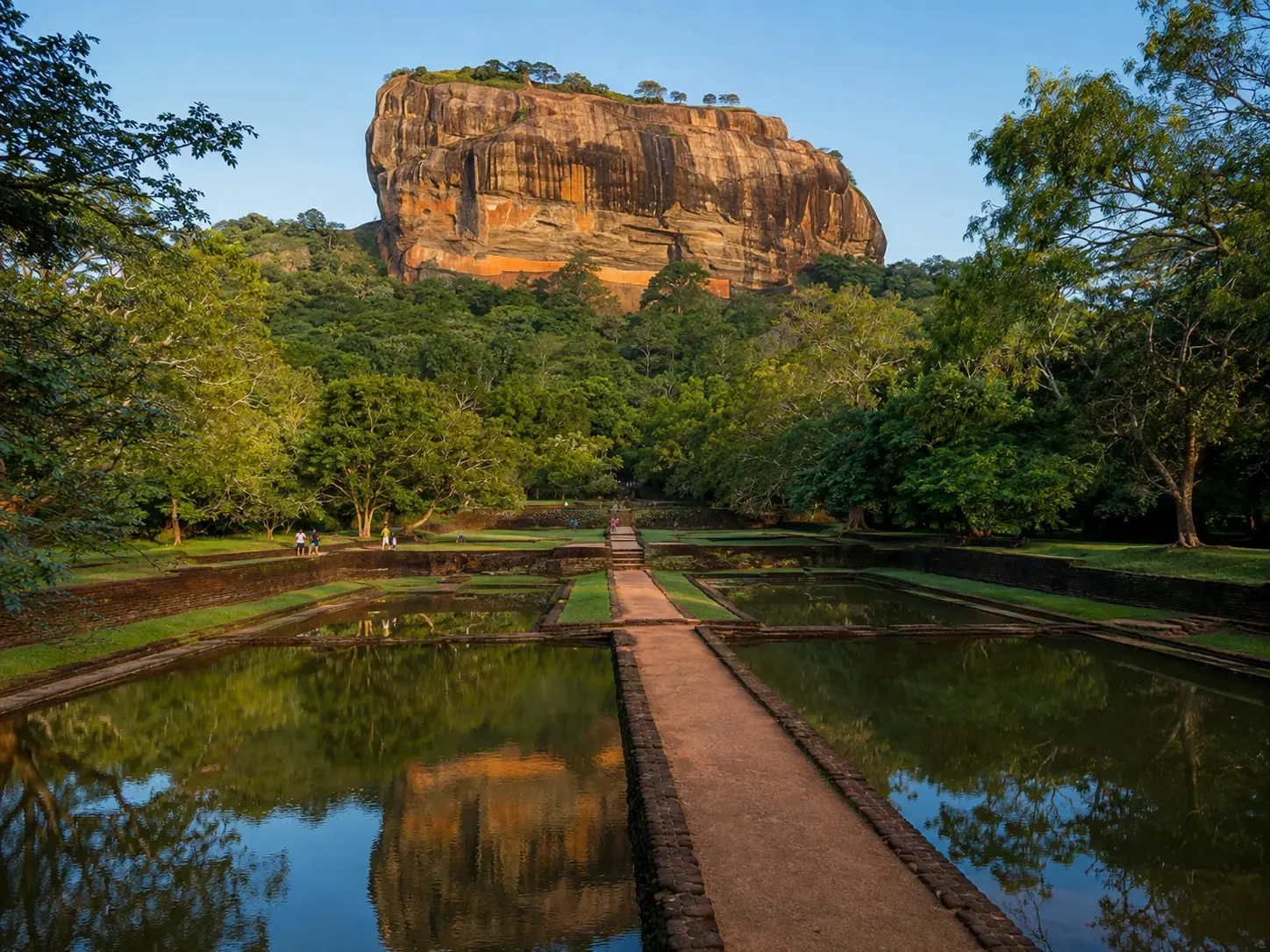
Sigiriya is one of the most recognisable attractions in Sri Lanka and remains a core stop in island itineraries built around history, archaeology, and landscape views.
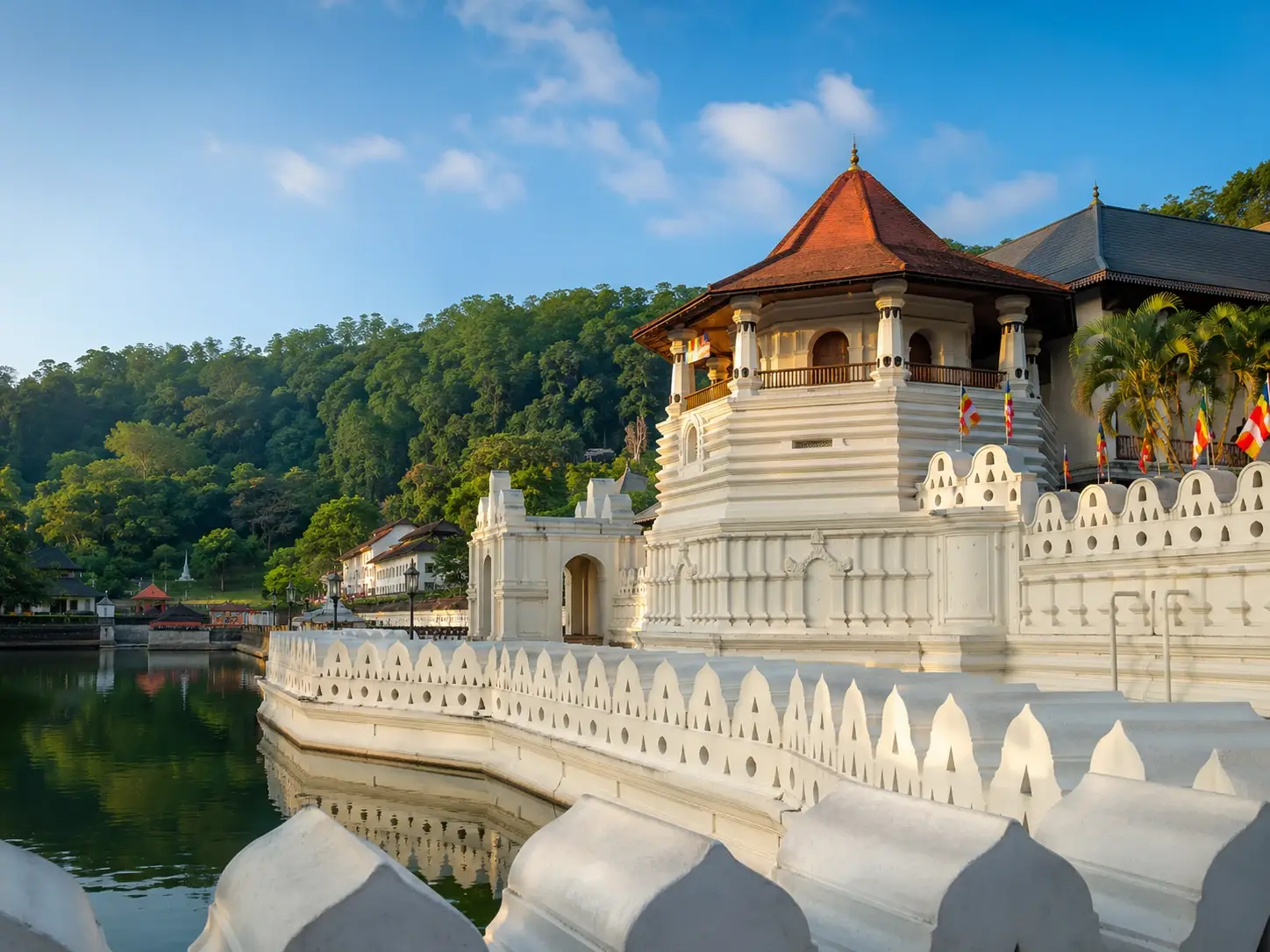
Kandy is one of the island’s most important cultural cities and works especially well as a transition point between the Cultural Triangle and the hill country.
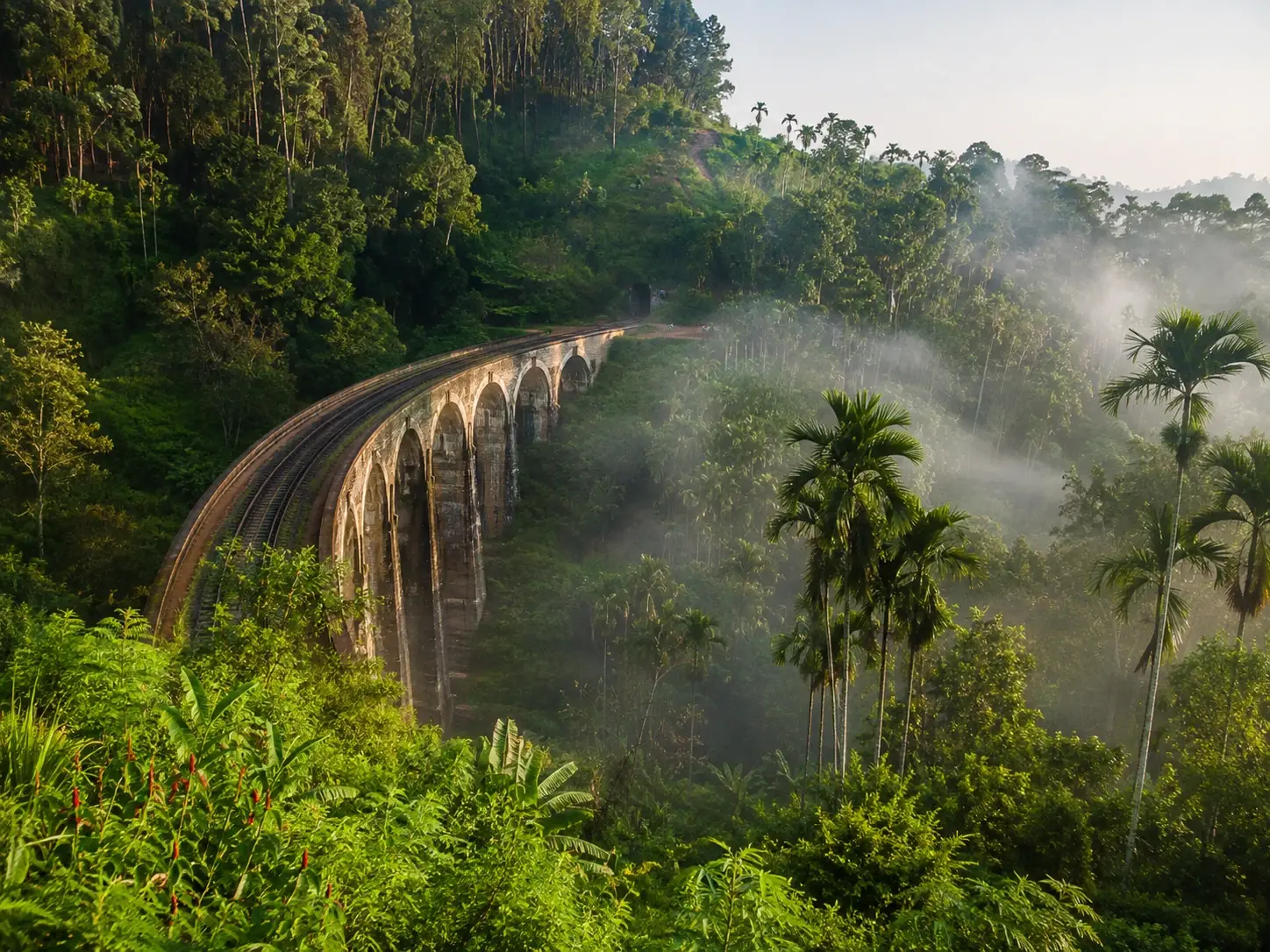
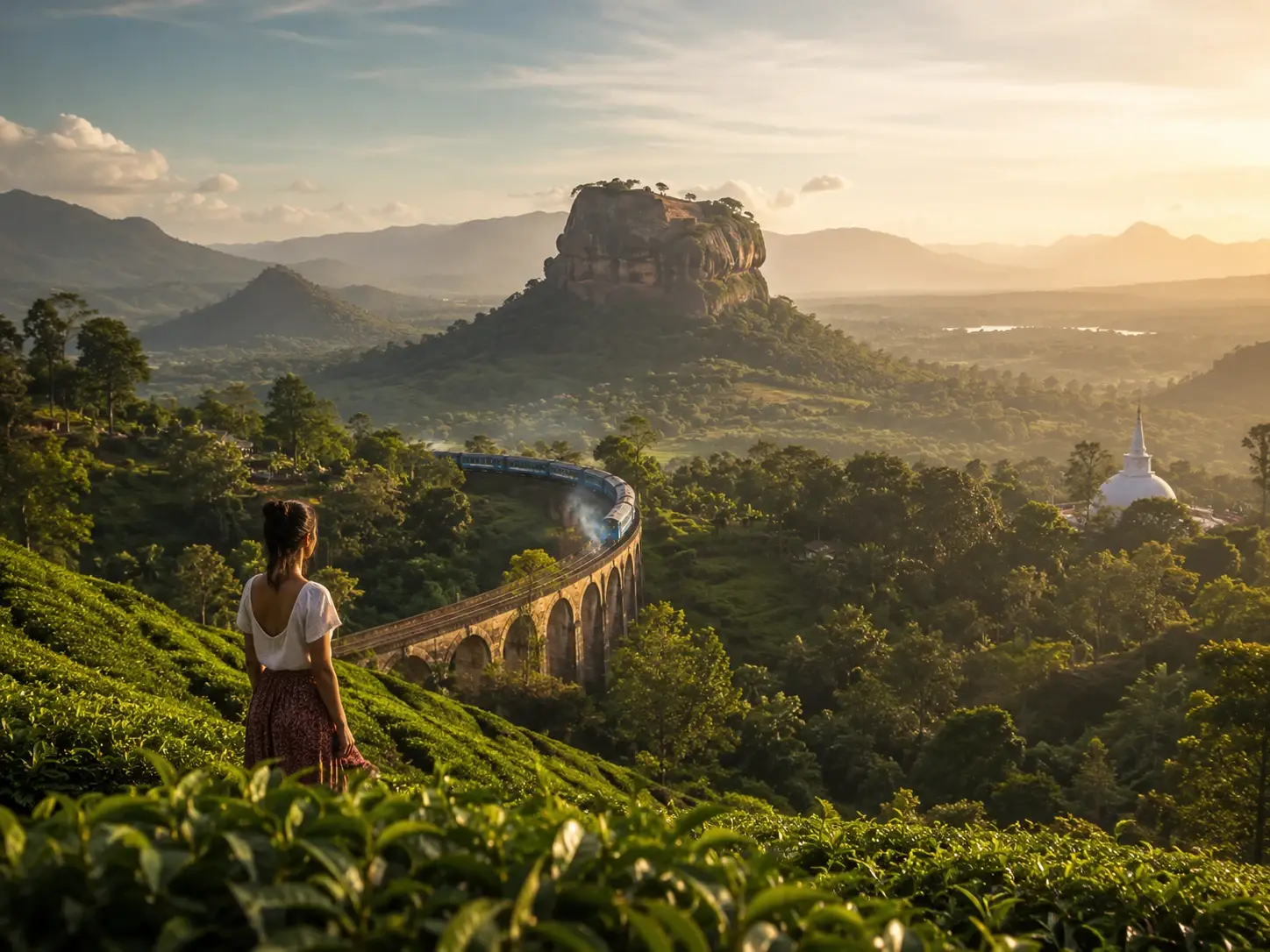
Ella is one of the island’s strongest visual destinations and works best as a slower hill-country section between cultural travel and the south.