Best time to visit
Like other east-coast destinations, it is strongest during the calmer seasonal window from around May to September.
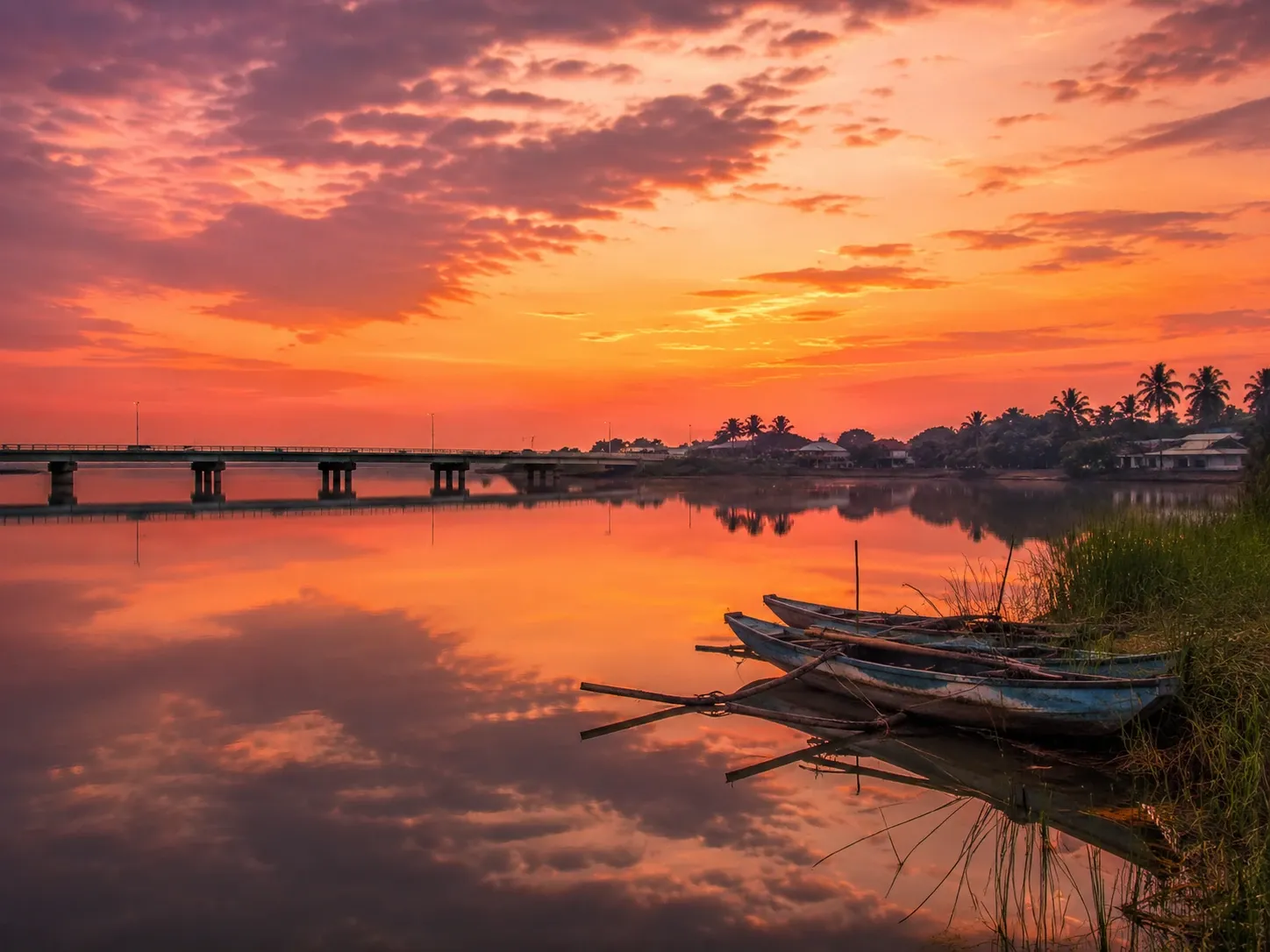
Lagoon city with coastal access and a different cultural atmosphere from Trincomalee.
Batticaloa offers a quieter east-coast experience for travellers who want lagoon scenery and a less resort-shaped coastal stop.
Its history reflects eastern coastal trade, colonial influence, and a distinct regional identity within the island’s east.
Like other east-coast destinations, it is strongest during the calmer seasonal window from around May to September.
It can be combined with Pasikuda and Trincomalee or approached from the central-eastern interior.
Batticaloa sits on a large lagoon system on the east coast and is one of the main centres of Tamil life in the country. The Dutch fort in the centre dates from the seventeenth century and is compact enough to walk. The city is also the home of the 'singing fish' — a resonance heard over the lagoon on quiet nights near the Kallady bridge, long recorded locally and still not fully explained.
A night, or a long stop between Pasikuda and Arugam Bay. Batticaloa is not a beach resort and does not try to be; its interest is the lagoon, the fort, the churches and temples, and a city that sees relatively few visitors. Many travellers stay at Pasikuda and come down for a day.
The east coast dry season runs roughly May to September. The city is spread around the water, so a vehicle or tuk-tuk is needed between the fort, the bridge and the beaches. Batticaloa is on the eastern rail line, which is a slow but scenic way to arrive from Colombo if you have the time for it.
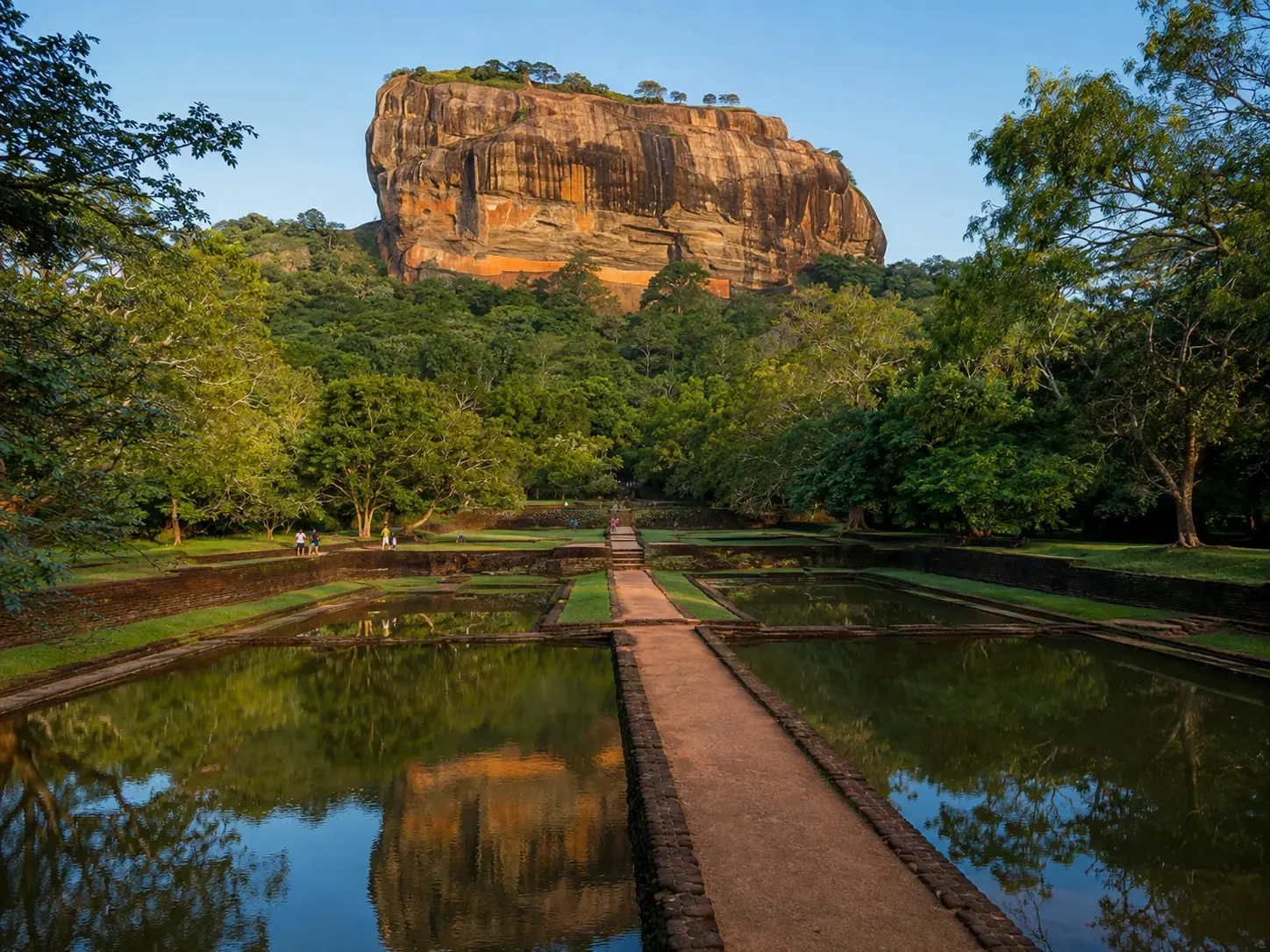
Sigiriya is one of the most recognisable attractions in Sri Lanka and remains a core stop in island itineraries built around history, archaeology, and landscape views.
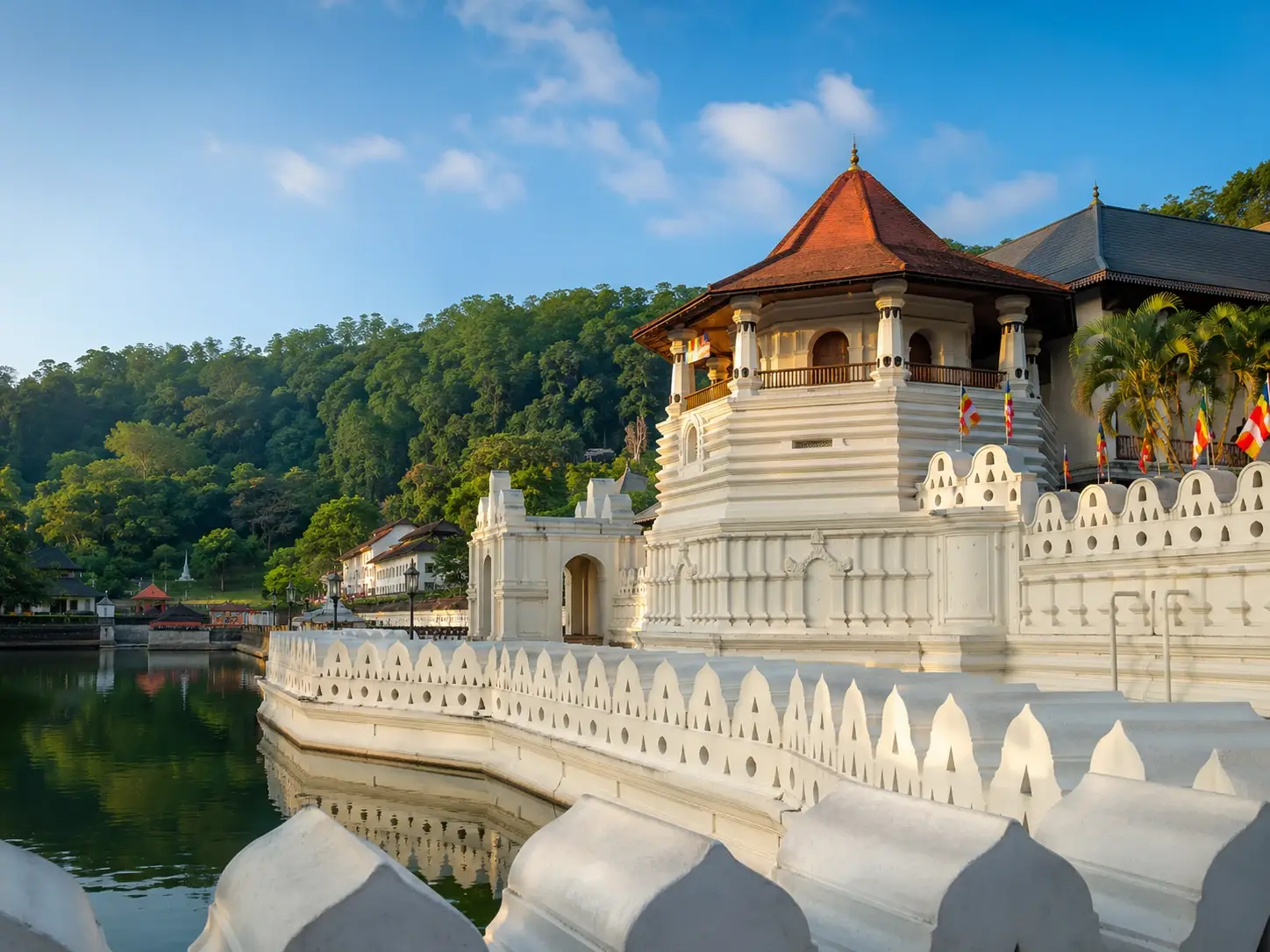
Kandy is one of the island’s most important cultural cities and works especially well as a transition point between the Cultural Triangle and the hill country.
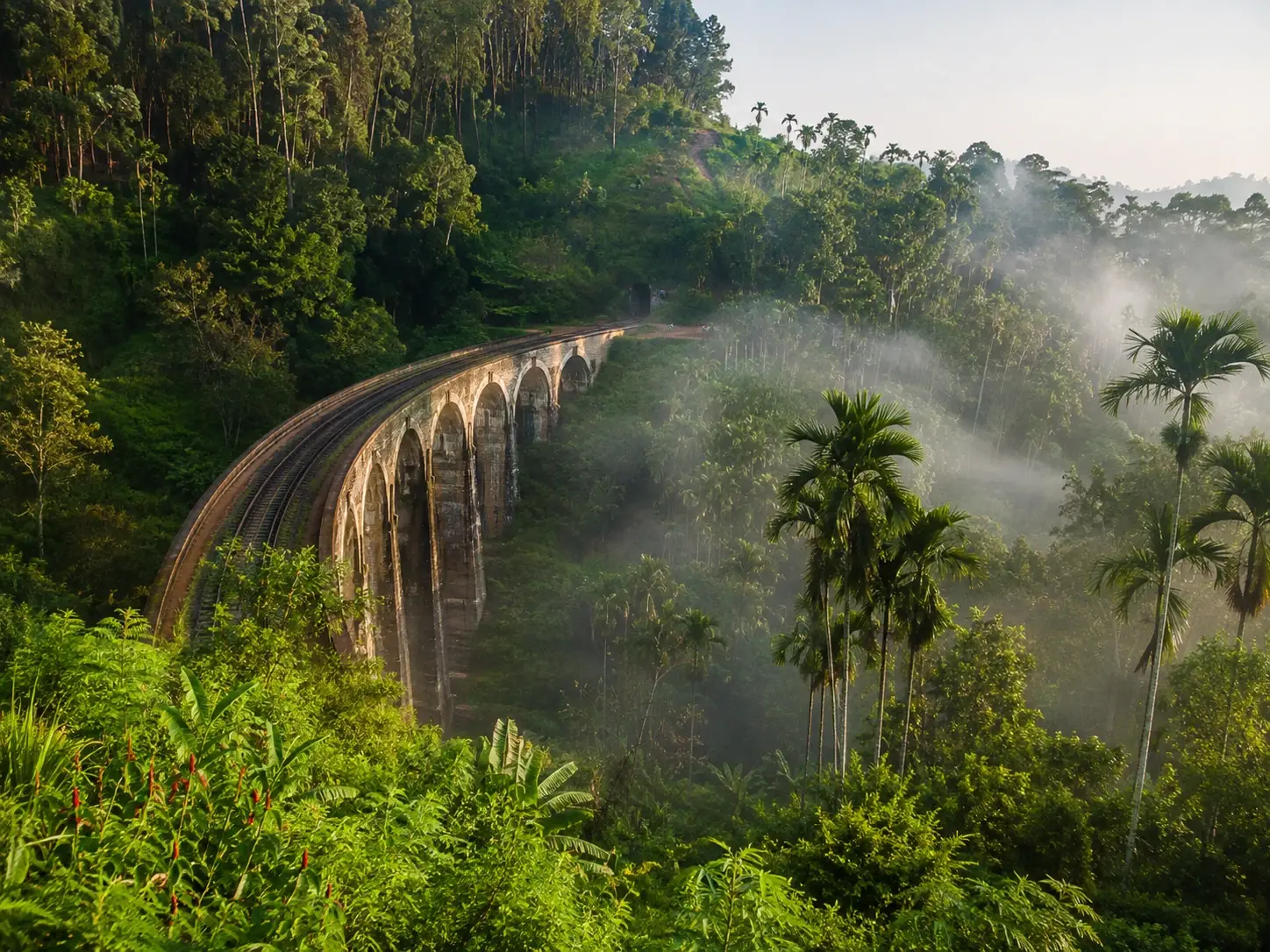
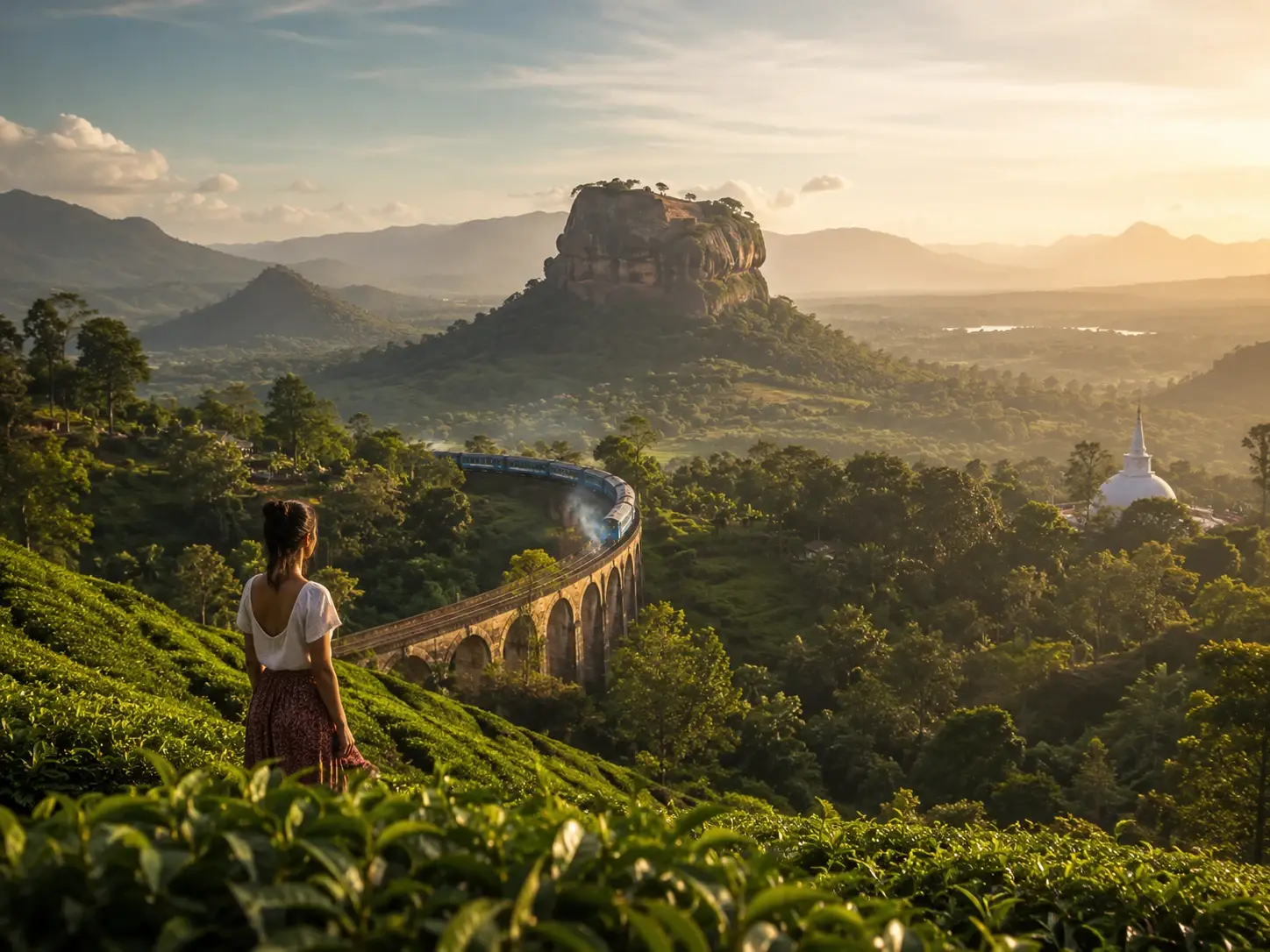
Ella is one of the island’s strongest visual destinations and works best as a slower hill-country section between cultural travel and the south.