Best time to visit
Morning visits are best in most seasons, with drier months making site-to-site movement easier across the large archaeological zone.
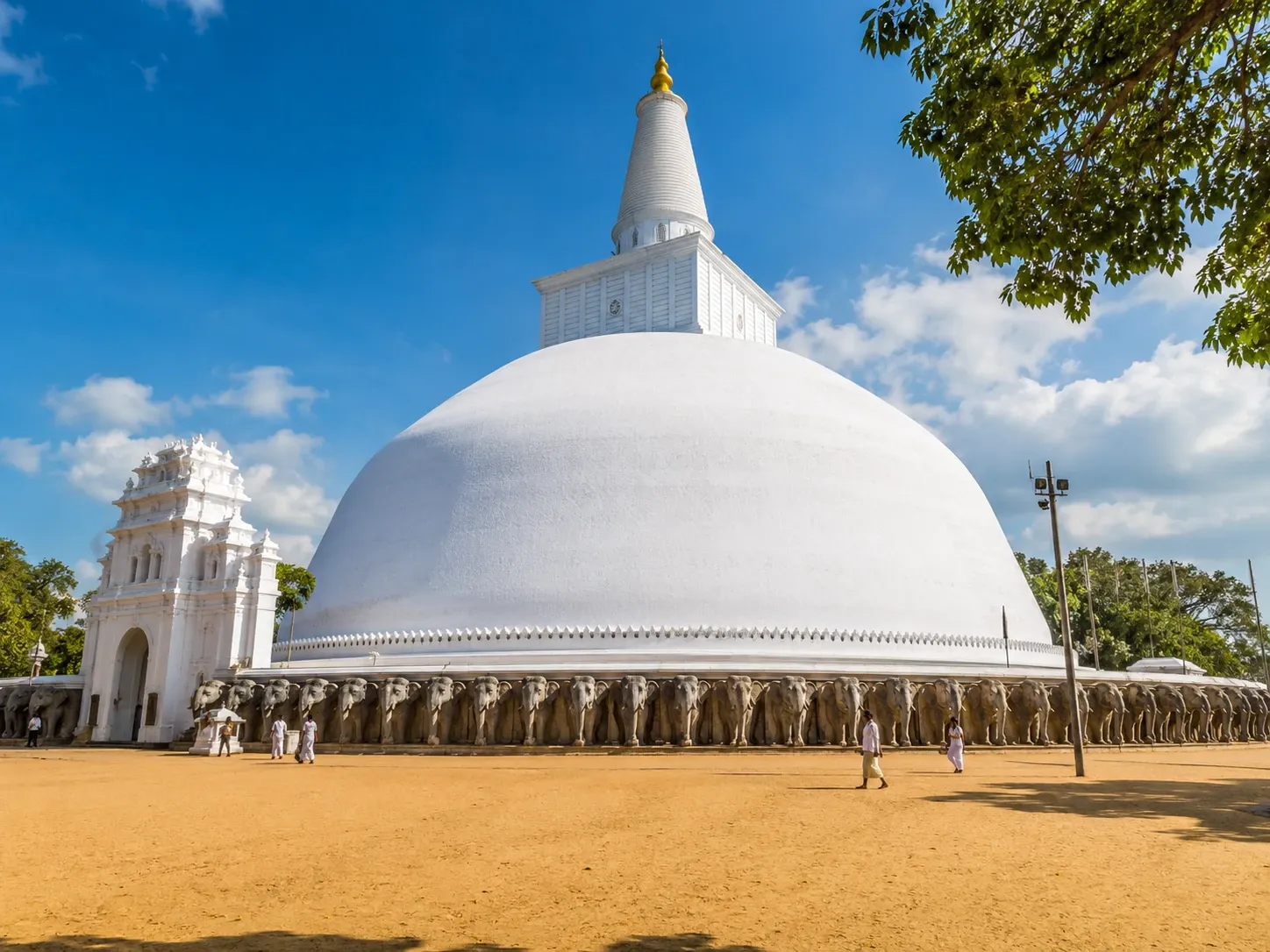
Sacred city of dagobas, monasteries, and some of Sri Lanka’s deepest historical layers.
Anuradhapura is essential for travellers who want religious and archaeological depth, especially on longer cultural itineraries.
As one of the island’s great ancient capitals, it is associated with Buddhist monastic history, sacred relic traditions, and monumental brick stupas.
Morning visits are best in most seasons, with drier months making site-to-site movement easier across the large archaeological zone.
It is commonly reached from Colombo or combined with Wilpattu, Mihintale, and other North Central heritage stops.
Anuradhapura was the island's capital for more than a millennium and remains one of Buddhism's most important centres. The Jaya Sri Maha Bodhi, grown from a cutting of the tree under which the Buddha attained enlightenment, is among the oldest historically documented trees in the world and is still actively venerated. The great brick dagobas — Ruwanwelisaya, Jetavanaramaya, Abhayagiri — were among the largest structures anywhere in the ancient world.
A full day, and it is a large site. Unlike Polonnaruwa, the monuments here are scattered across a wide area, so a vehicle between clusters is close to essential rather than a convenience. Many travellers base themselves nearby for a night rather than trying to visit and move on the same day, which also allows the early morning, when the light is best and the heat has not yet built.
White clothing is customary among pilgrims and is a courteous choice for visitors; covered shoulders and knees are expected, and shoes are removed within the sacred precincts. Because the ground between shrines is often open sand or stone, it gets hot, and socks are a practical answer. Full-moon poya days bring very large crowds of pilgrims — an extraordinary thing to witness, but not the day to choose if you want quiet.
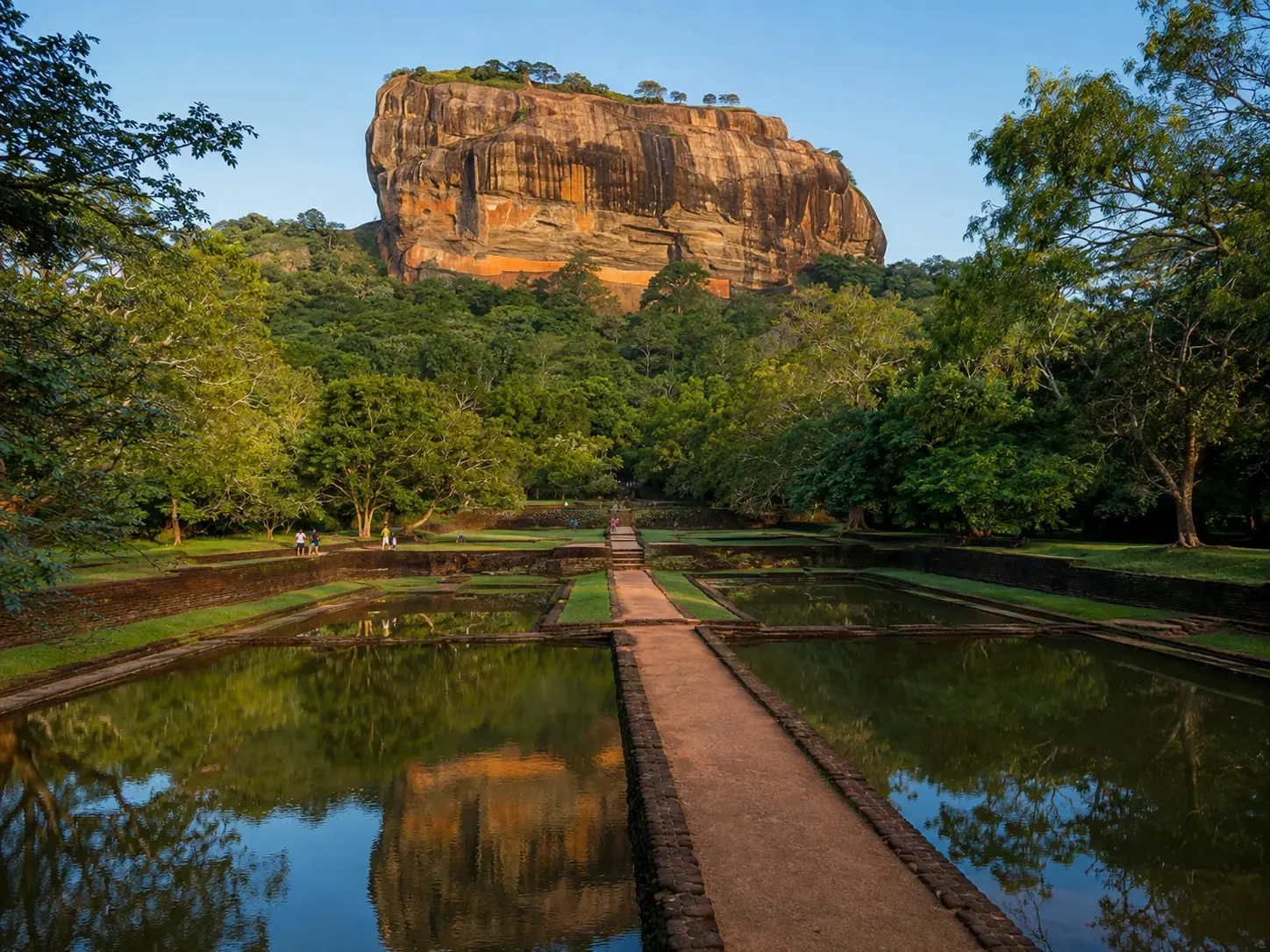
Sigiriya is one of the most recognisable attractions in Sri Lanka and remains a core stop in island itineraries built around history, archaeology, and landscape views.
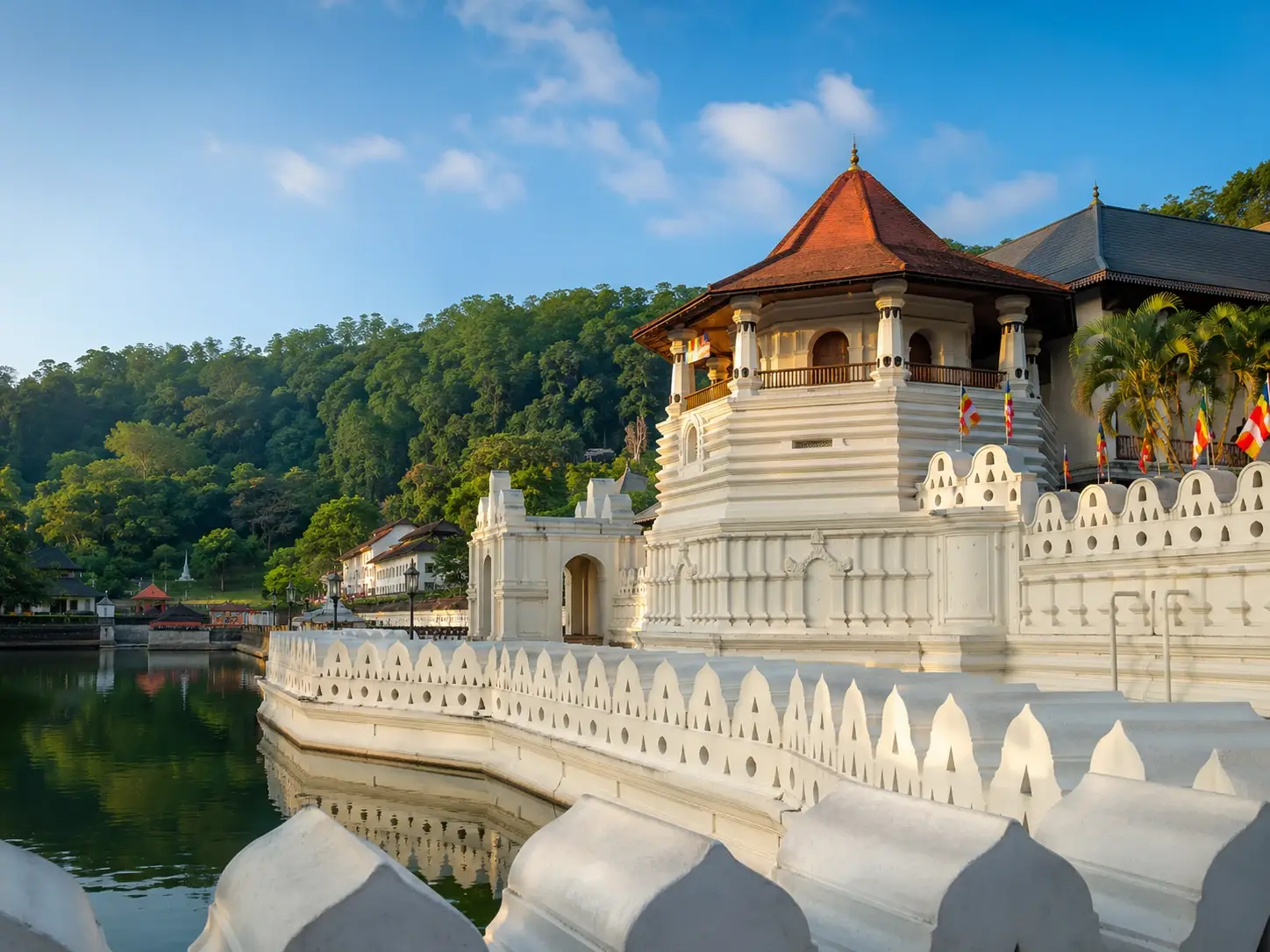
Kandy is one of the island’s most important cultural cities and works especially well as a transition point between the Cultural Triangle and the hill country.
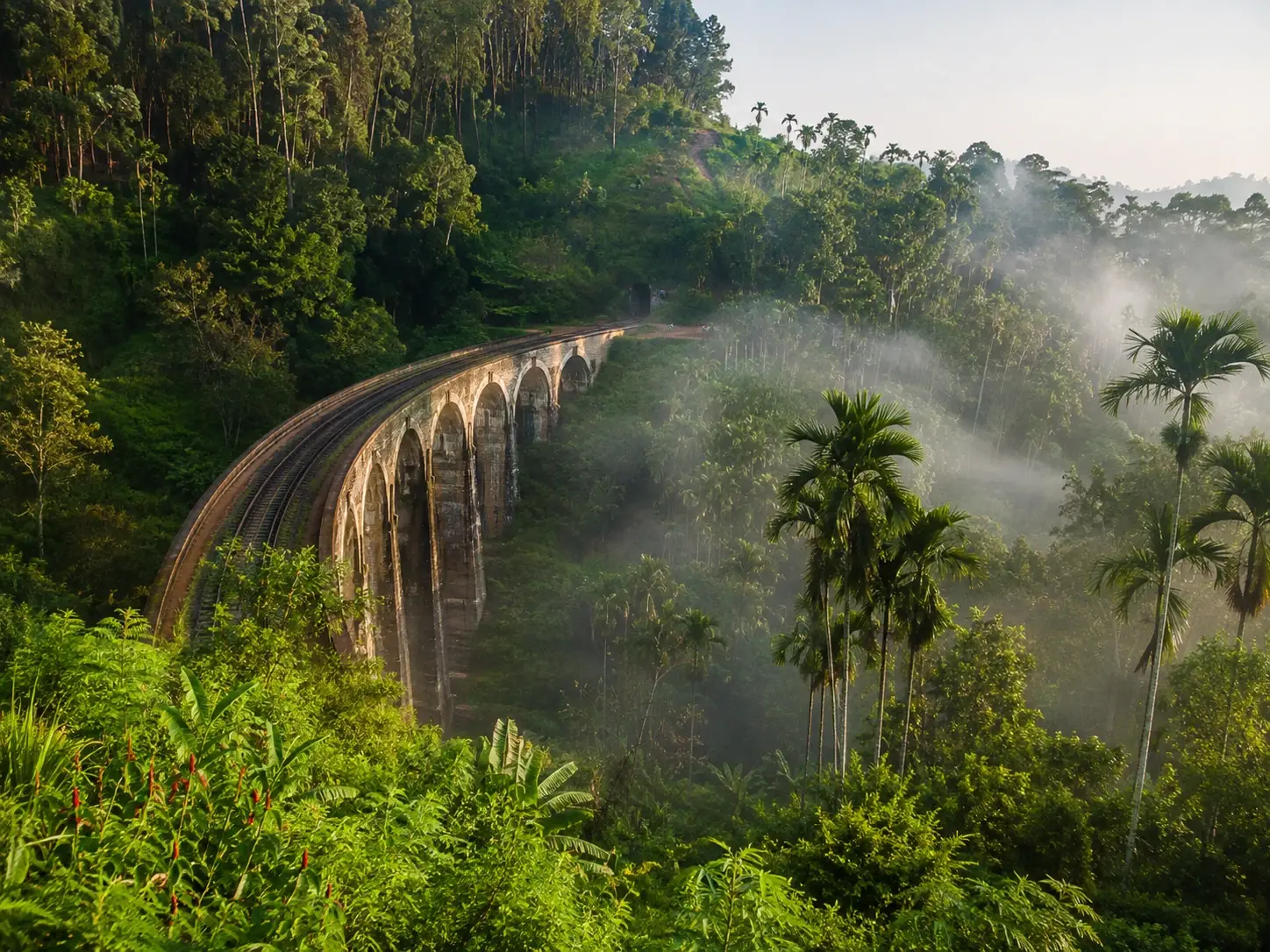
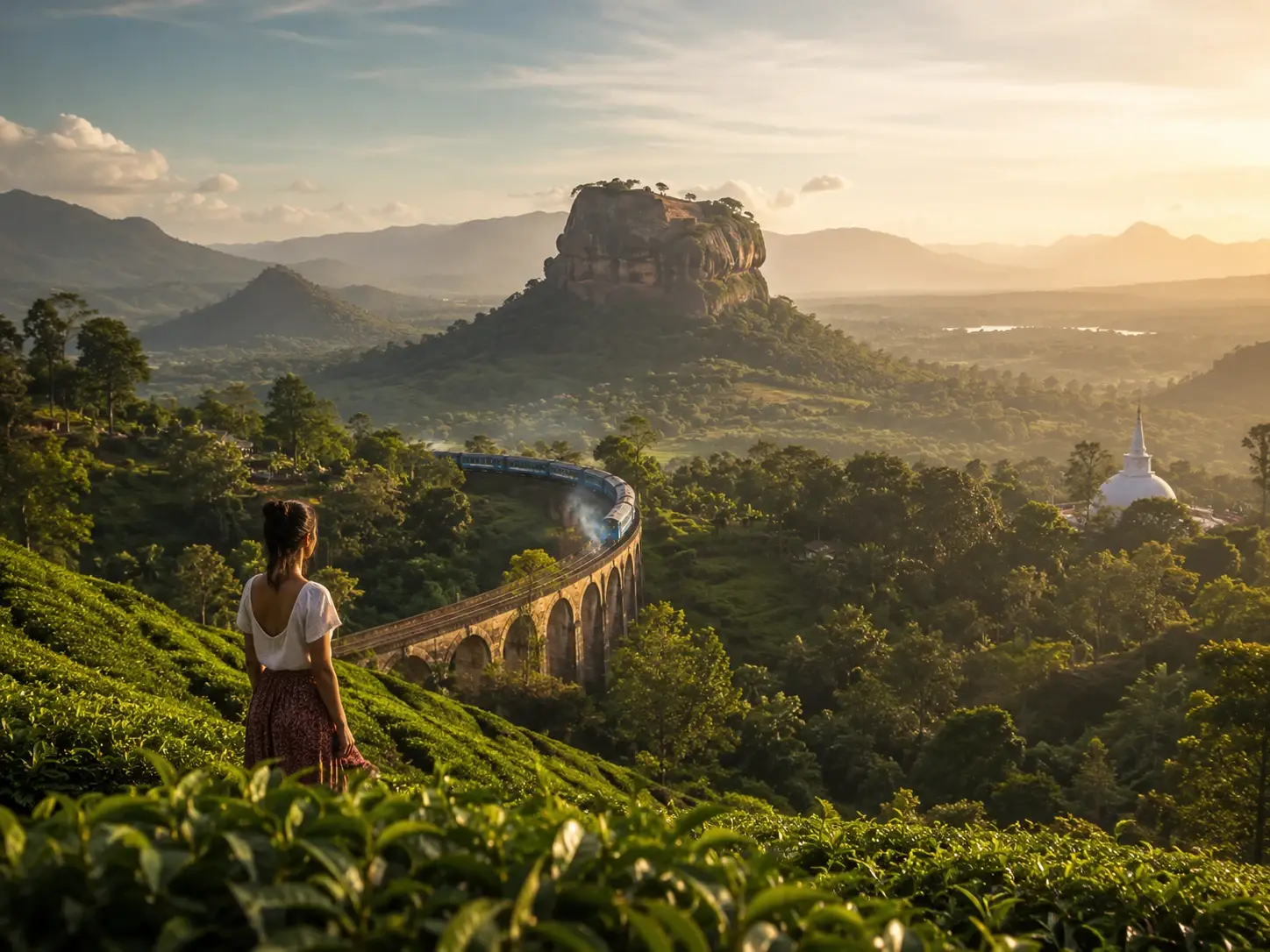
Ella is one of the island’s strongest visual destinations and works best as a slower hill-country section between cultural travel and the south.