
Cultural Triangle
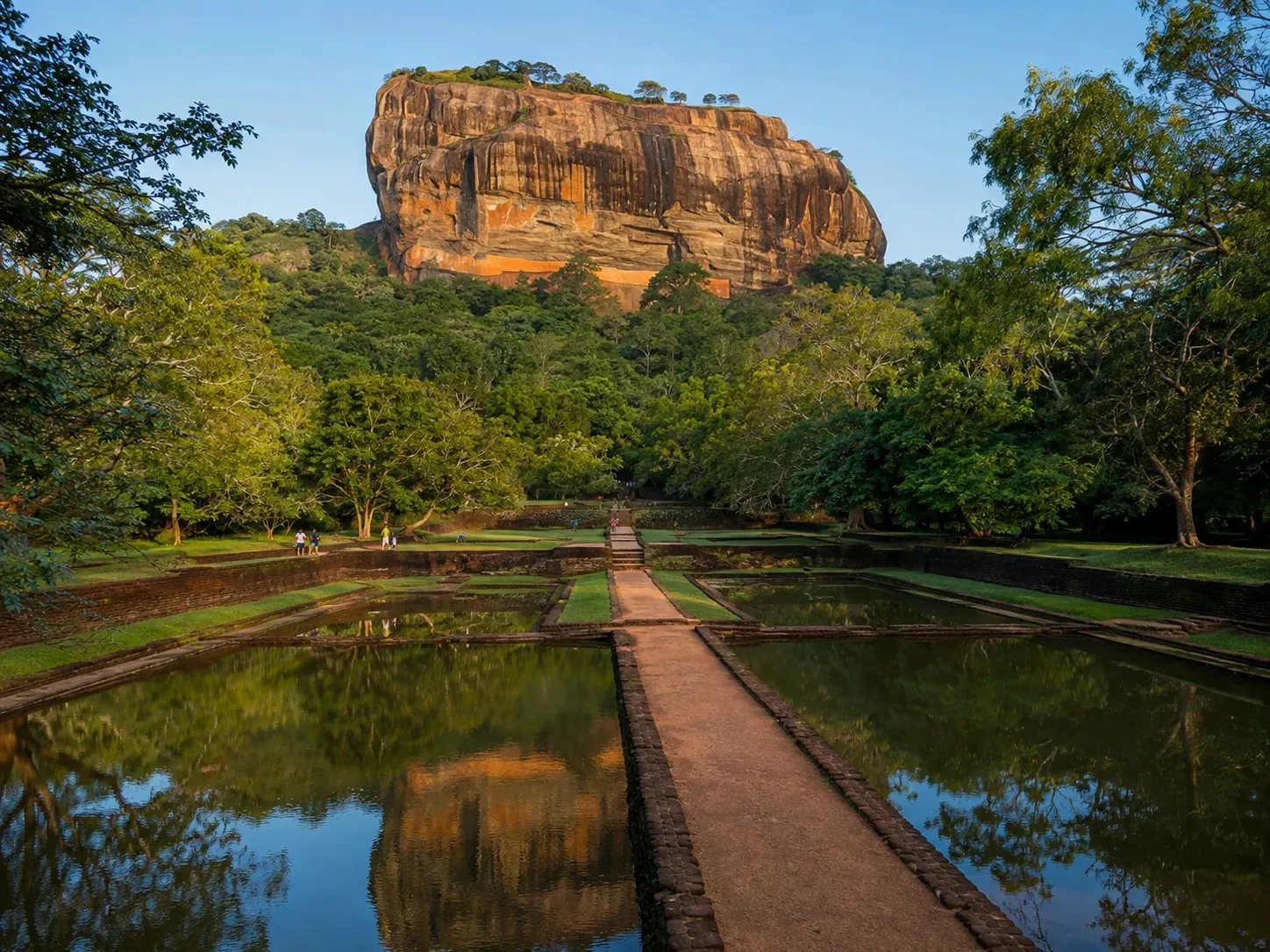
Sigiriya
Sigiriya
Sigiriya is one of the most recognisable attractions in Sri Lanka and remains a core stop in island itineraries built around history, archaeology, and landscape views.
Lion Rock climbSummit viewsWater gardens
Explore Sigiriya, Kandy, Ella, Galle, Yala, Trincomalee, and hill country routes for private tour planning.
Sigiriya is one of the most recognisable attractions in Sri Lanka and remains a core stop in island itineraries built around history, archaeology, and landscape views.
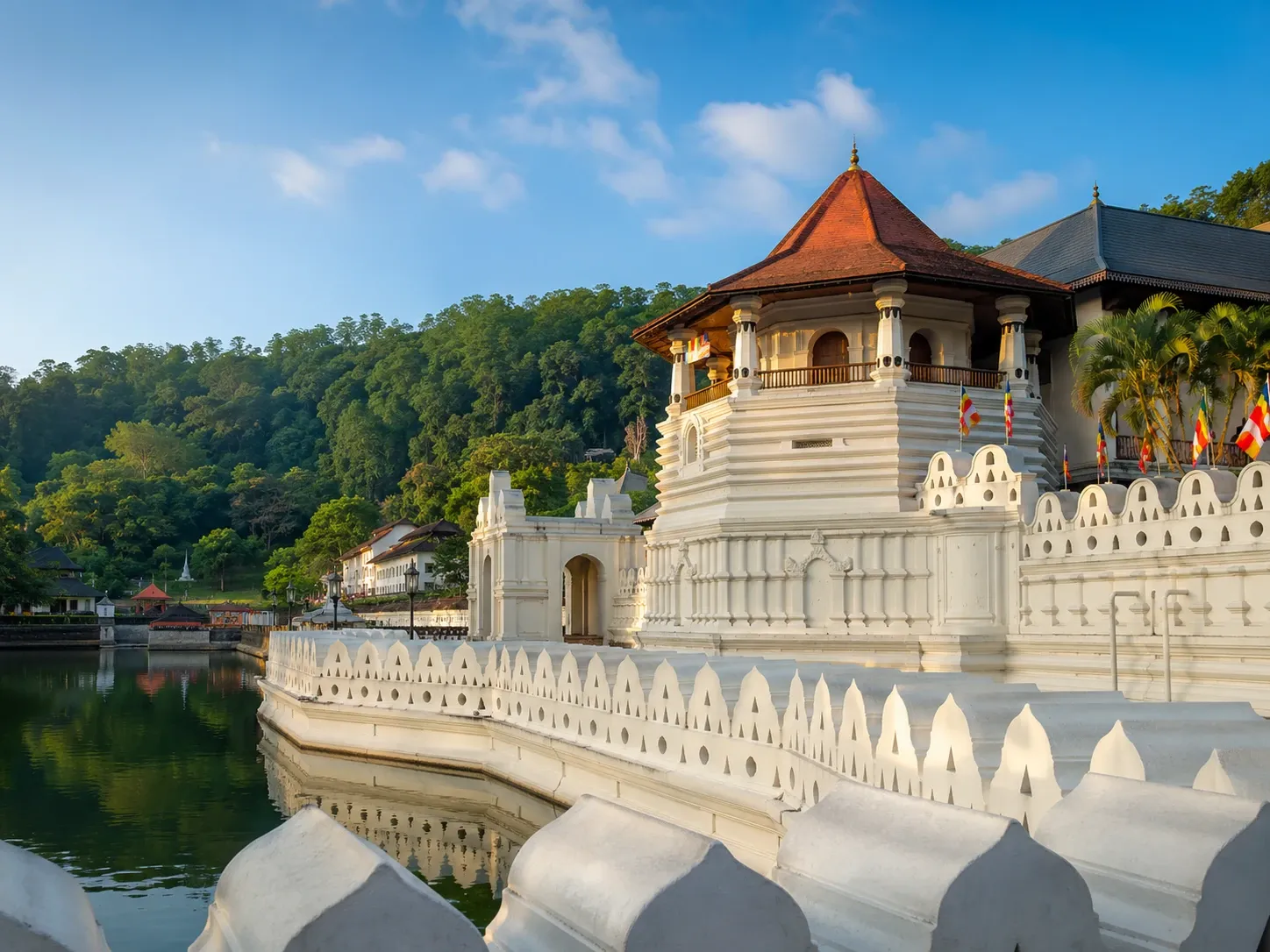
Kandy is one of the island’s most important cultural cities and works especially well as a transition point between the Cultural Triangle and the hill country.
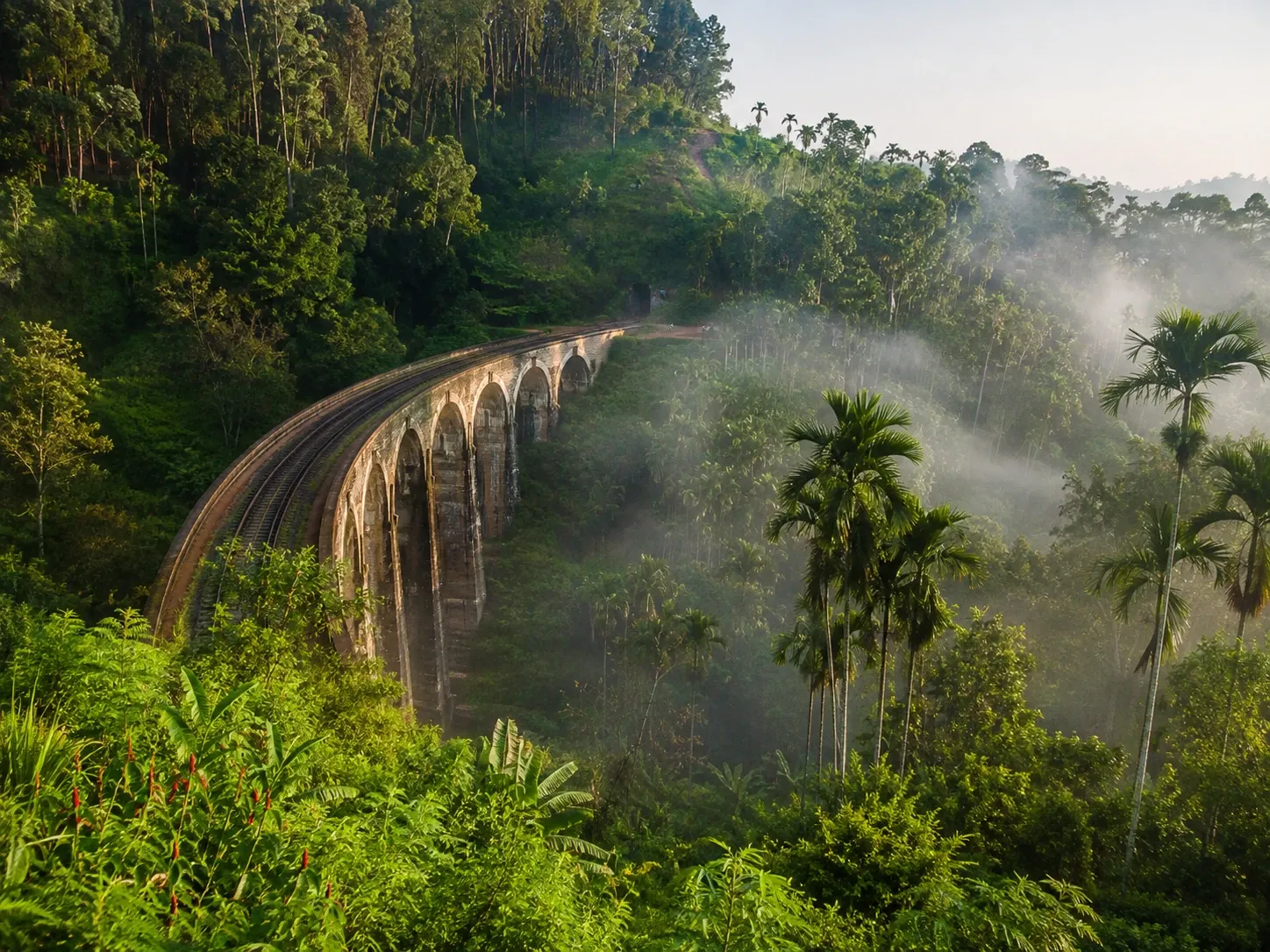
Ella is one of the island’s strongest visual destinations and works best as a slower hill-country section between cultural travel and the south.
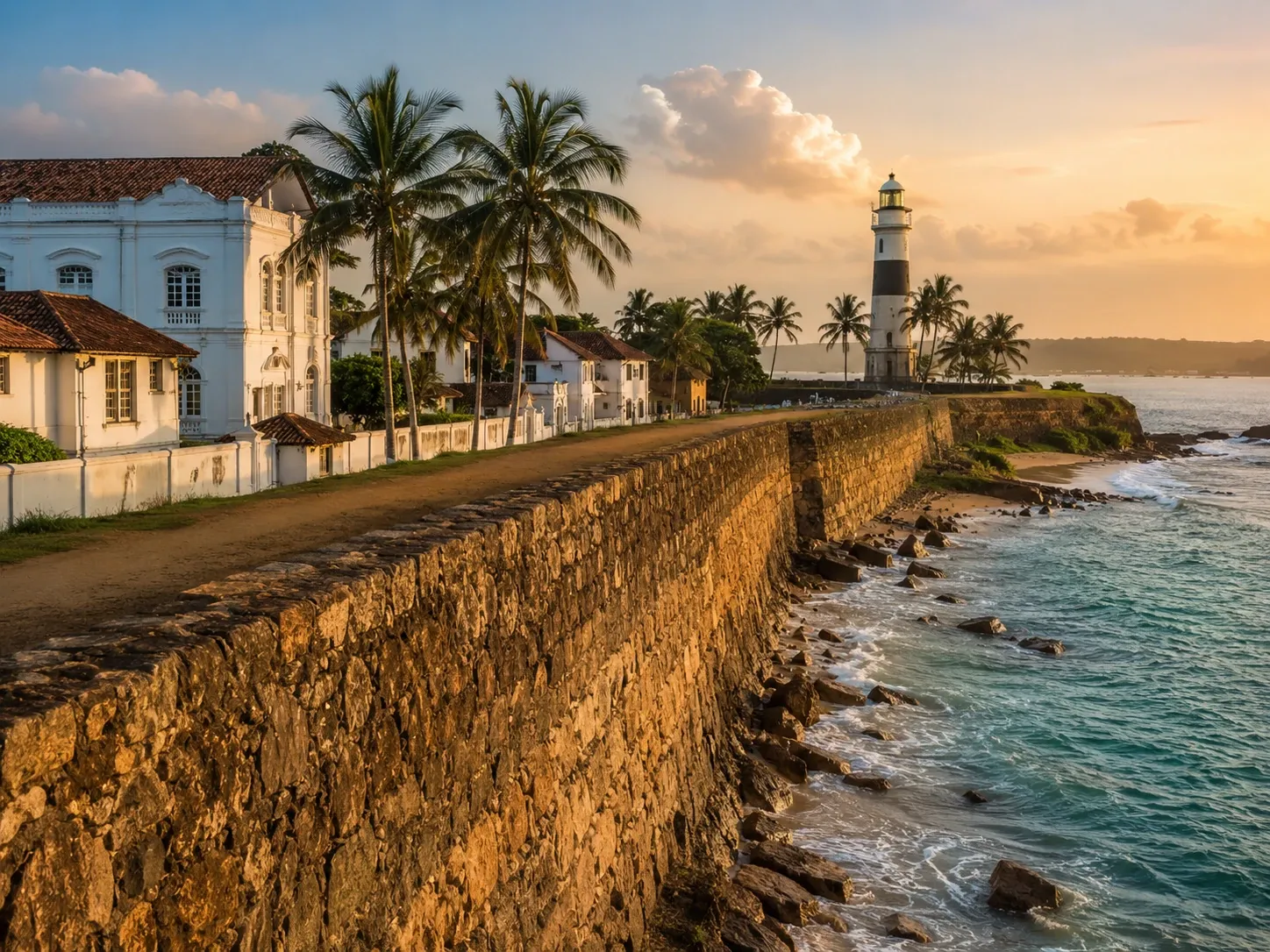
Galle is the anchor destination of the southwest coast for travellers who want more than a beach stop and prefer atmosphere, architecture, and easy walkability.
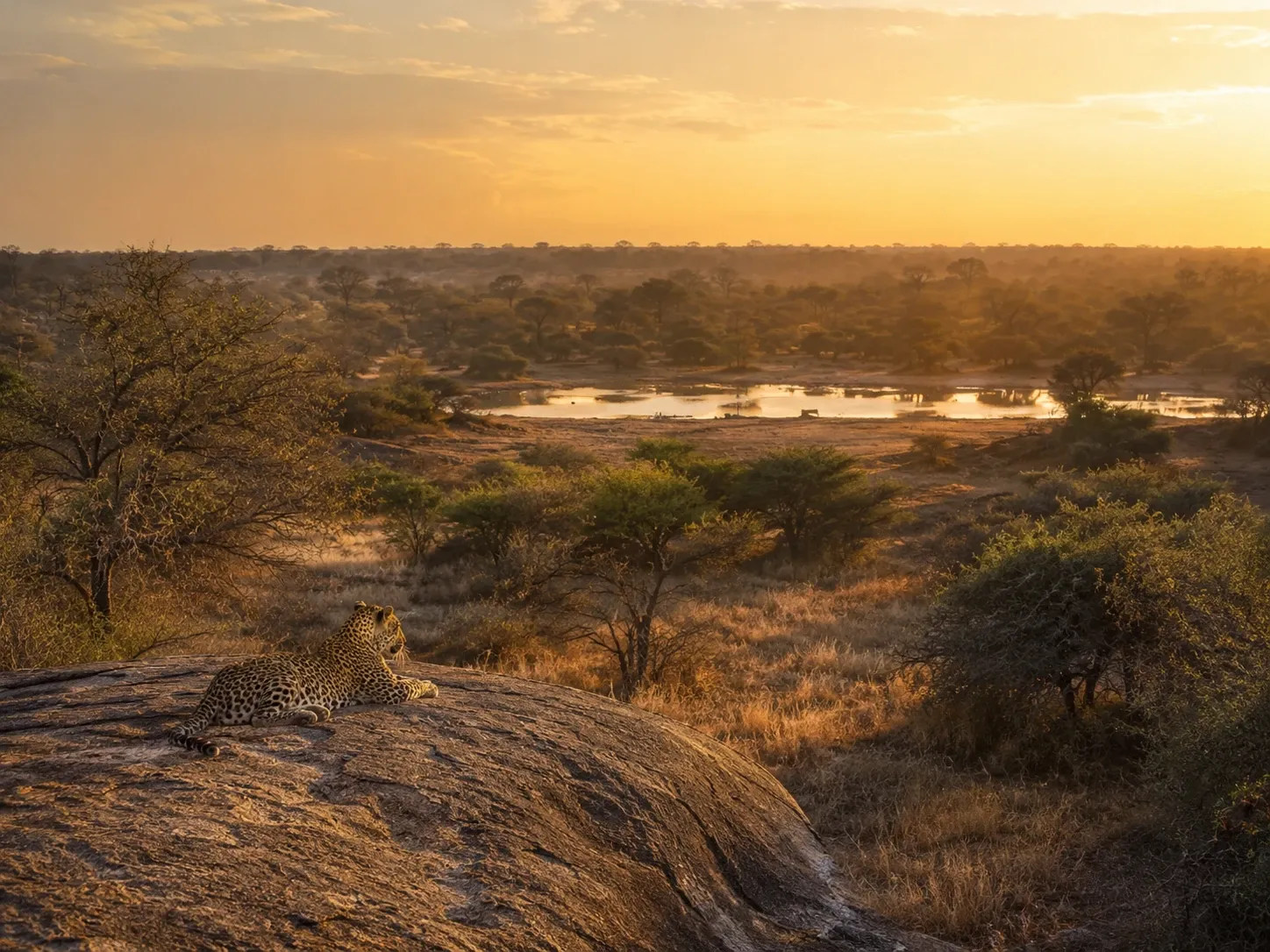
Yala adds a distinctly different rhythm to Sri Lanka itineraries and is one of the strongest ways to shift a route from heritage and hills into wildlife travel.
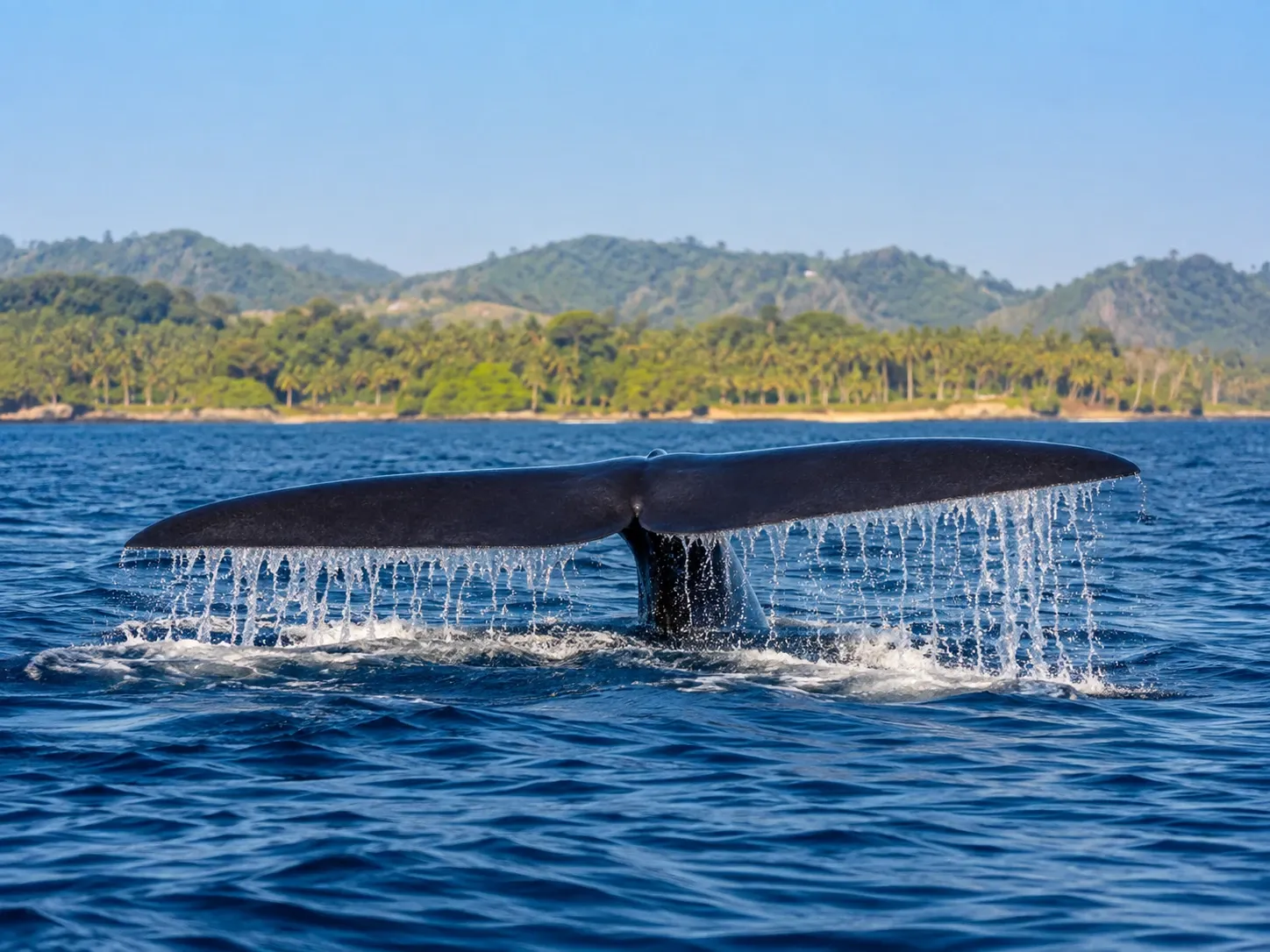
Mirissa works well as a softer coastal section after inland travel and is one of the easier beach destinations to slot into short-format private itineraries.
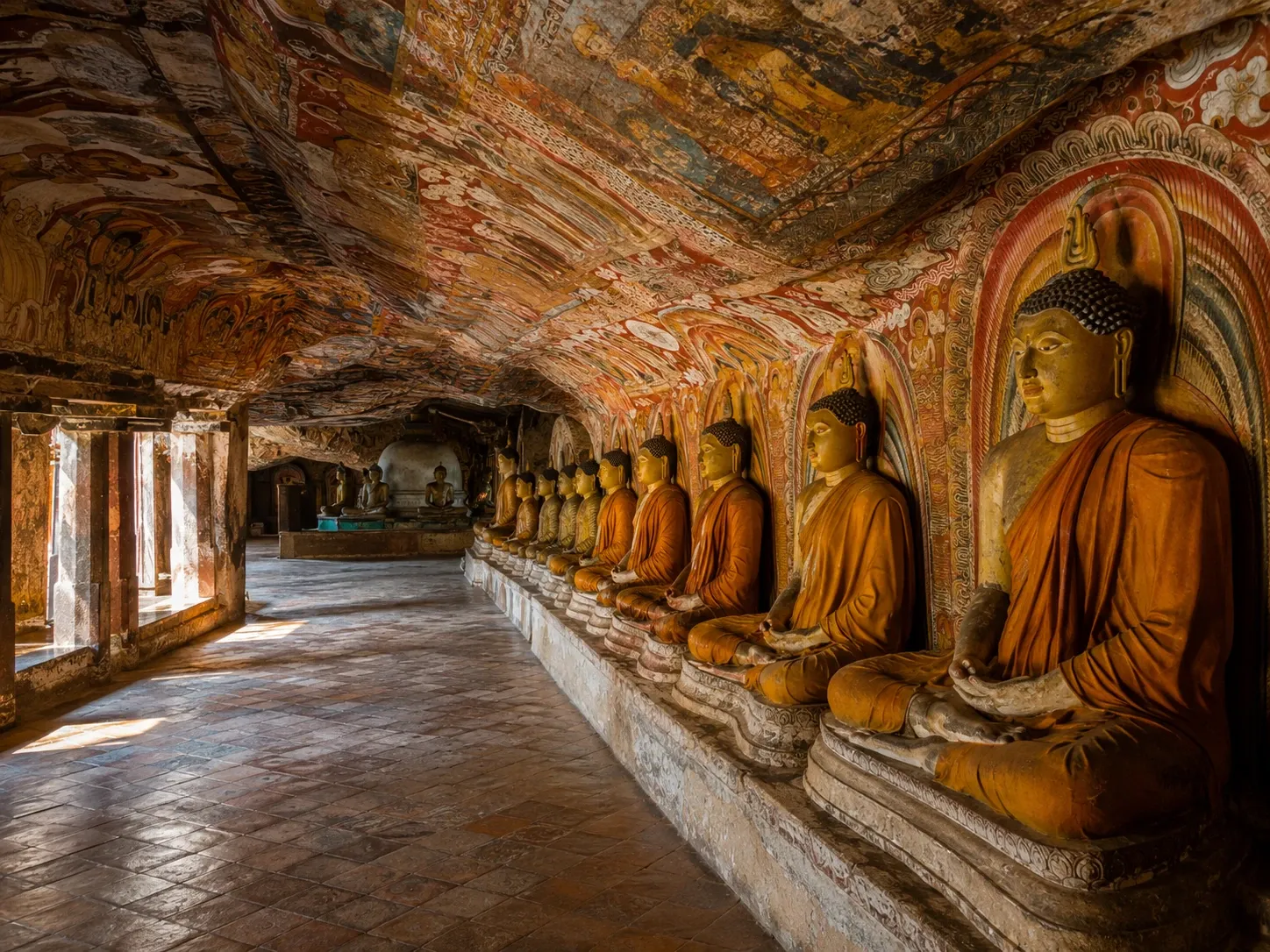
Dambulla is both a UNESCO site and a strategic stop in the centre of the island, making it valuable as both an attraction and an itinerary base.
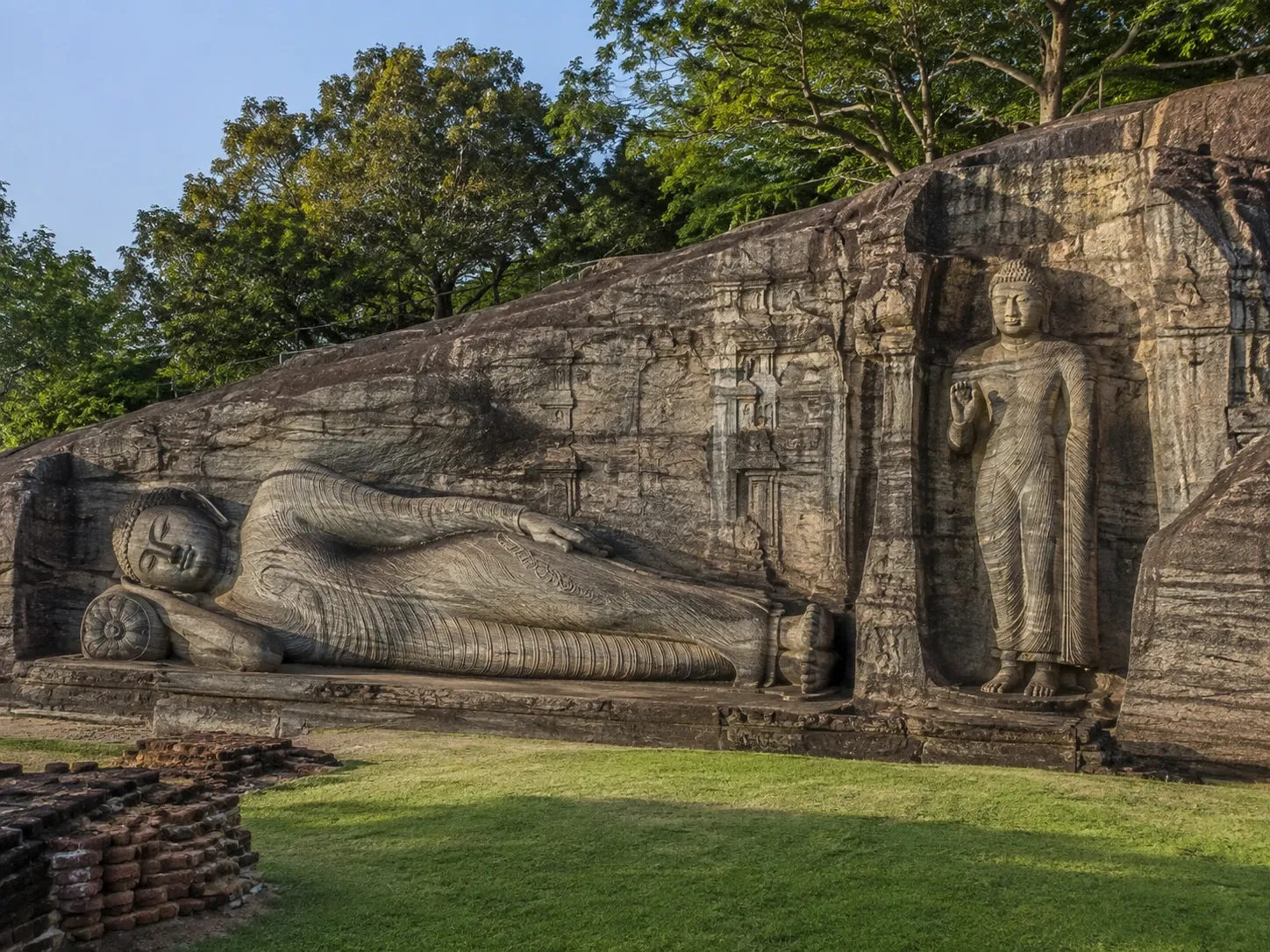
Polonnaruwa is one of the strongest archaeological destinations in the country and works especially well for travellers who want a broader heritage program beyond Sigiriya.
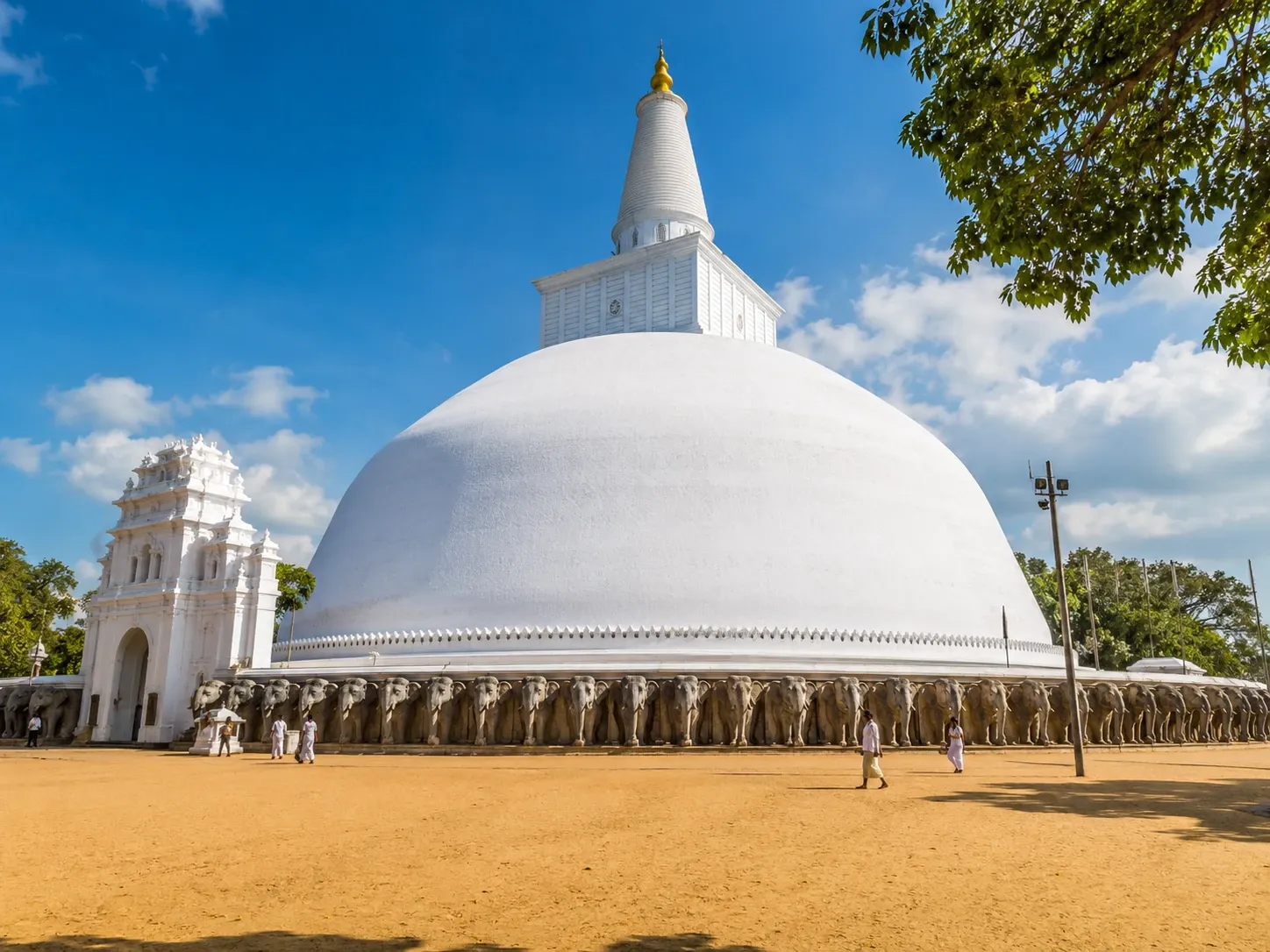
Anuradhapura is essential for travellers who want religious and archaeological depth, especially on longer cultural itineraries.
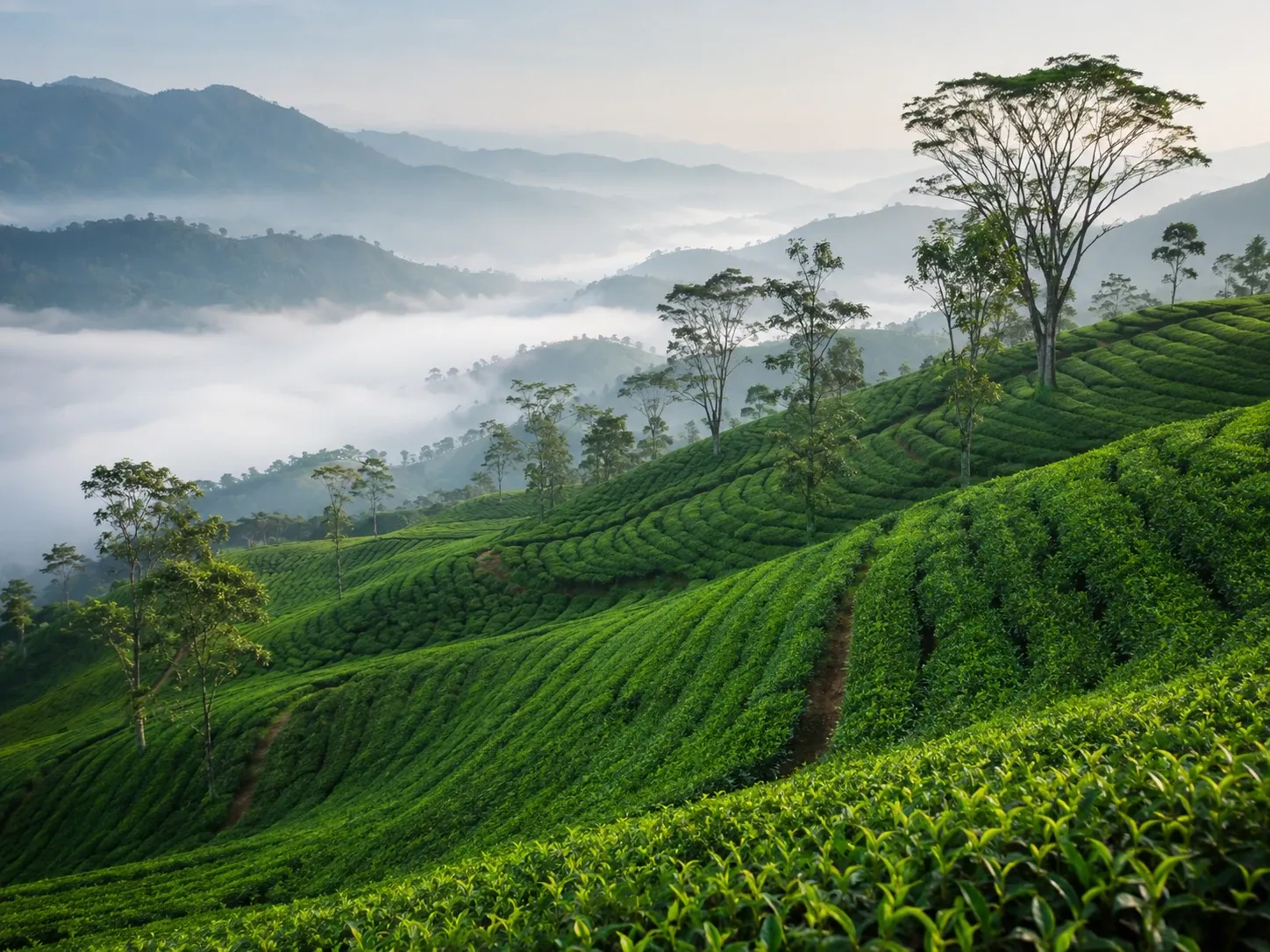
Nuwara Eliya offers a more formal and polished hill-country atmosphere than Ella and works well for travellers who want tea estates, gardens, and cooler weather.
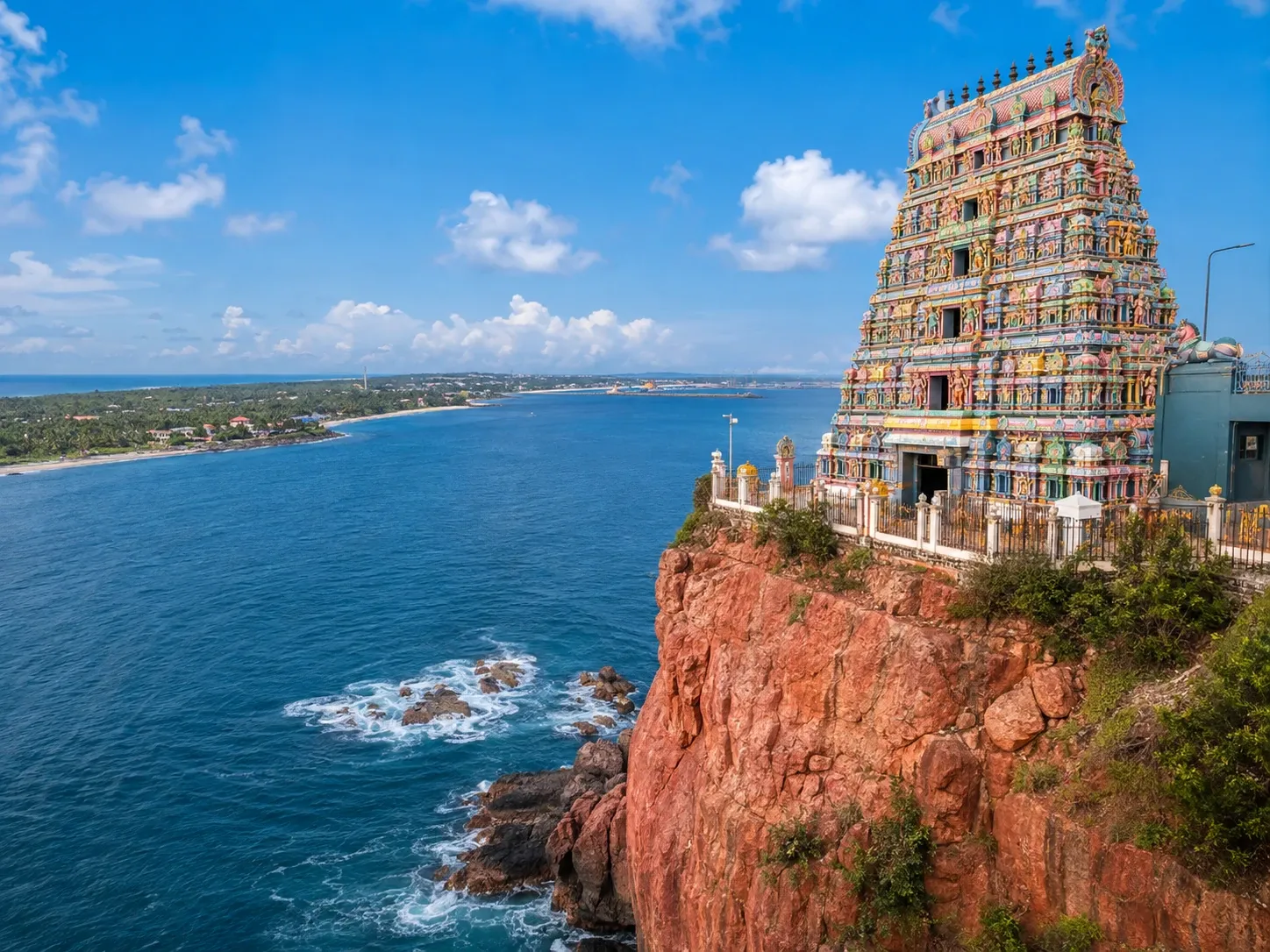
Trincomalee is a major east-coast destination for travellers who want beaches, marine activity, and a different seasonal logic from the south and west.
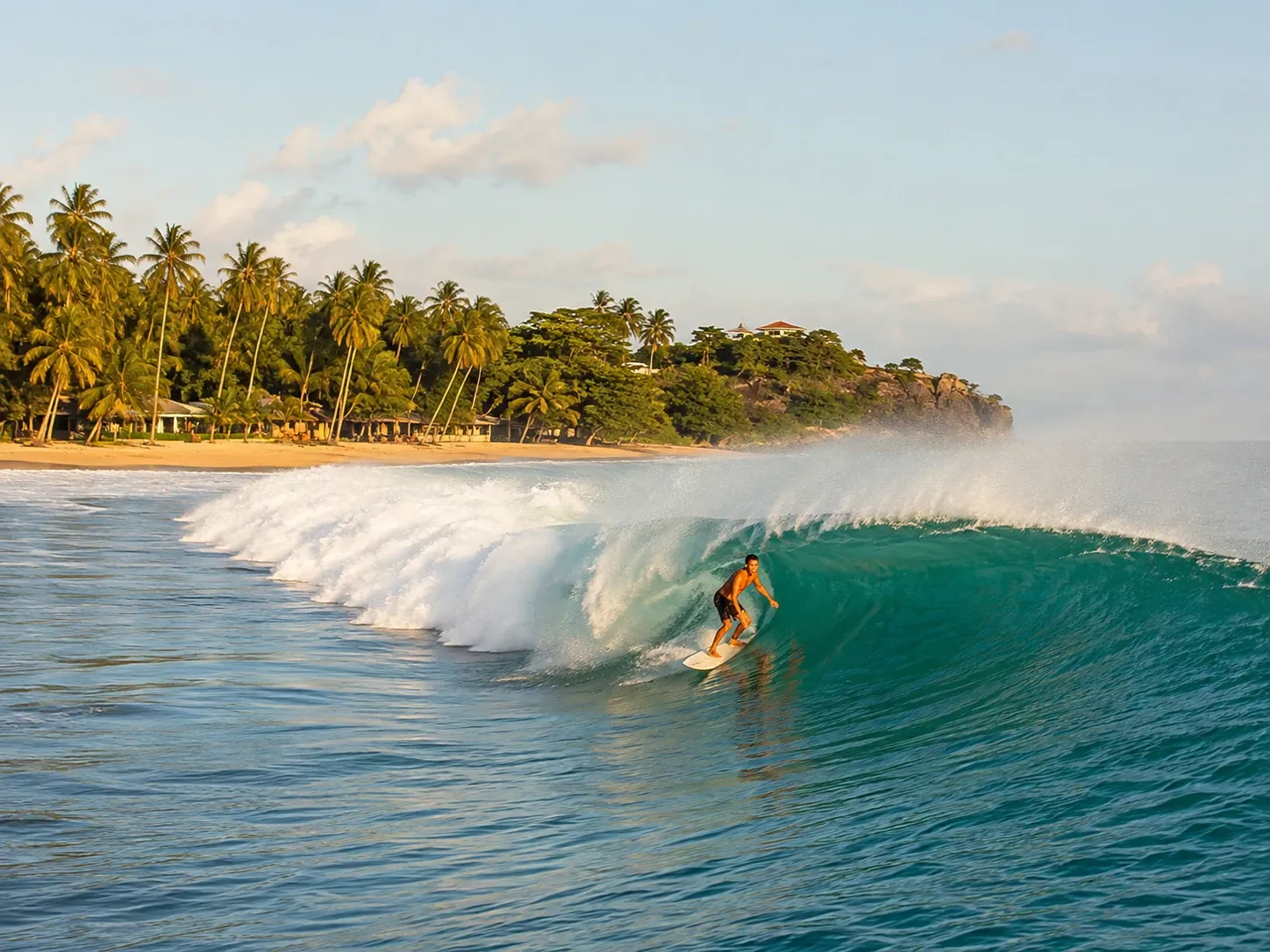
Arugam Bay is one of Sri Lanka’s best-known surf destinations and attracts travellers who want a more casual east-coast beach culture.
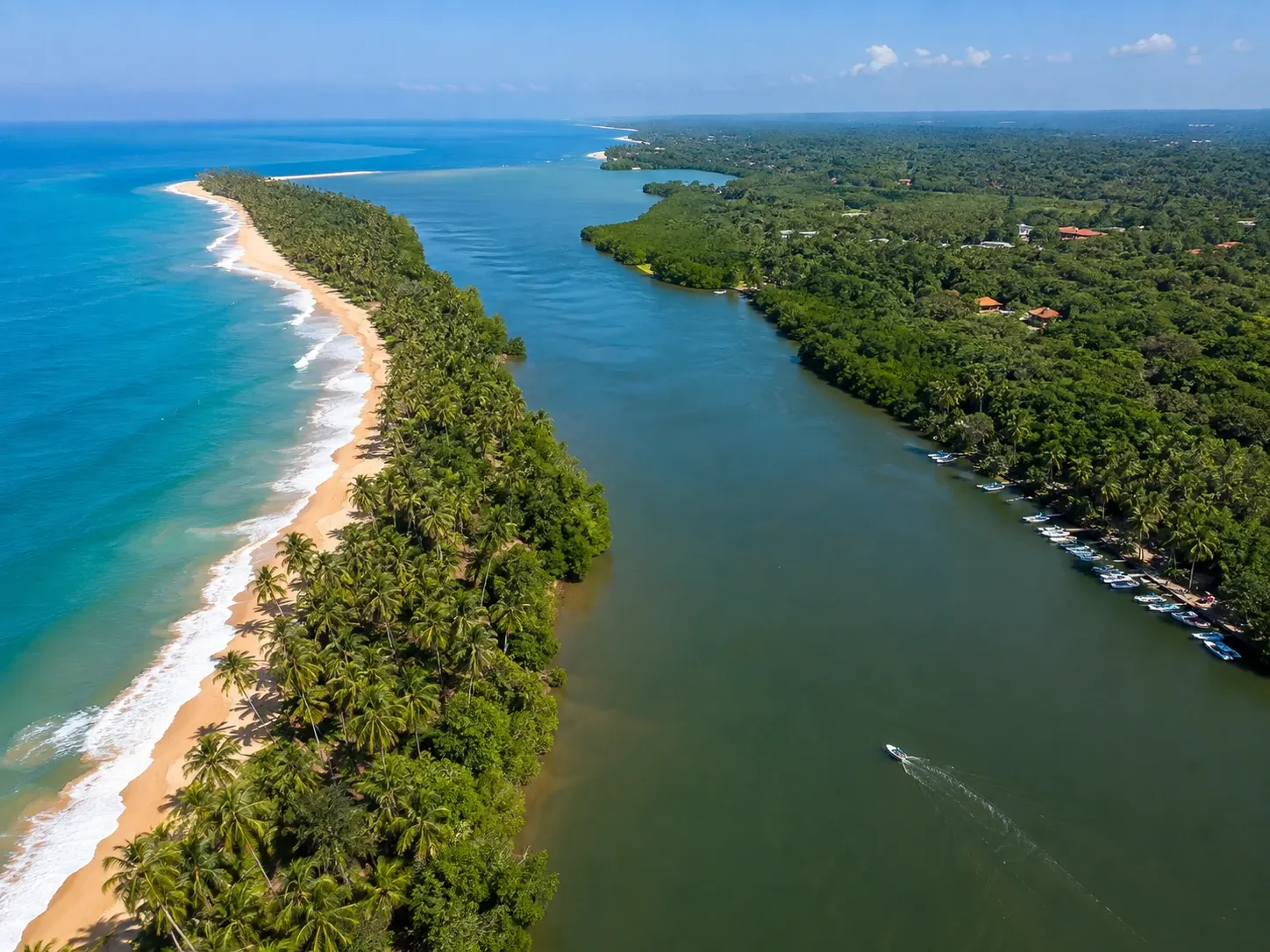
Bentota is one of the easiest coastal options for travellers who want a straightforward beach extension without committing to a longer south-coast run.
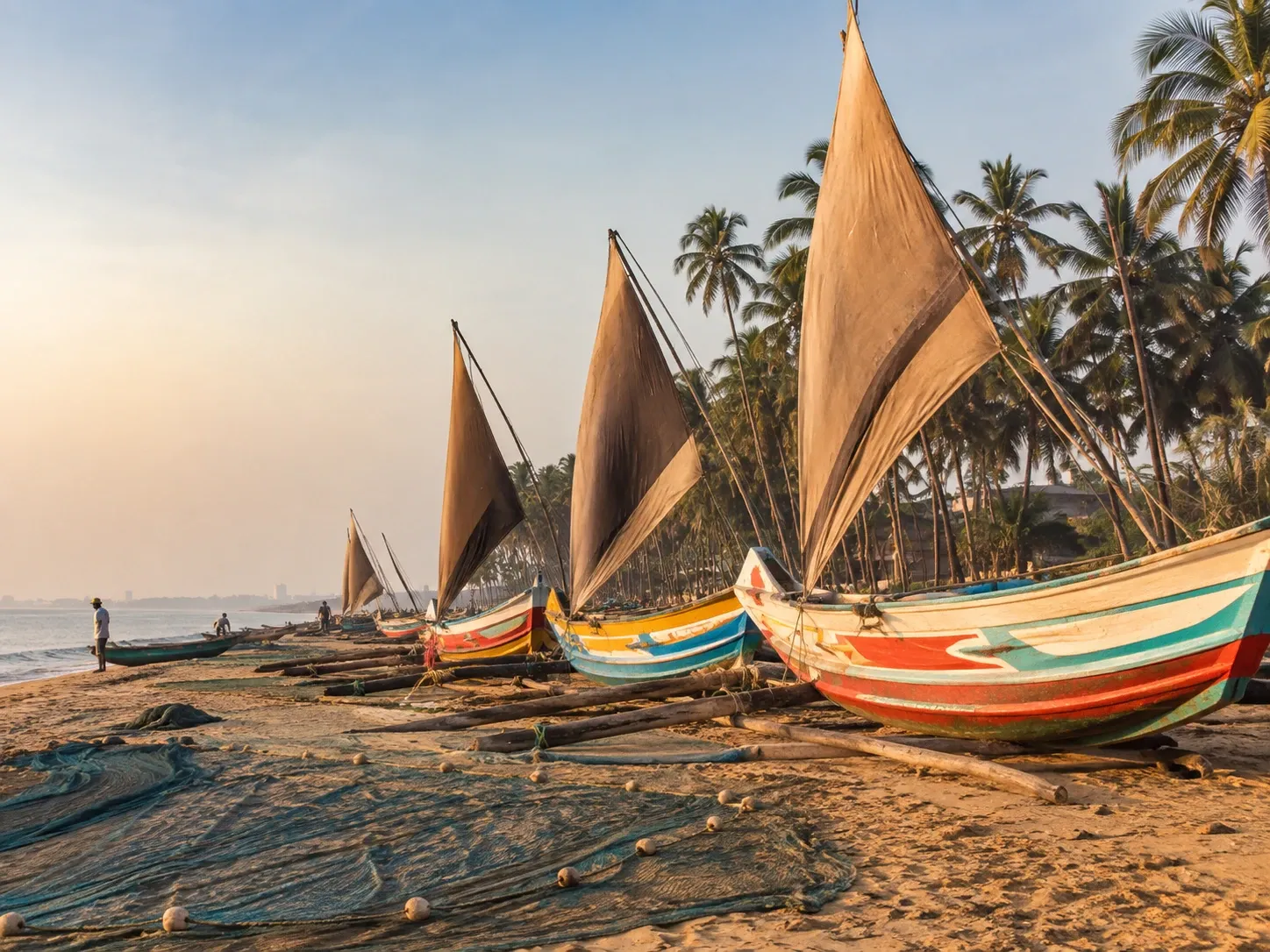
Negombo is less about being the island’s most dramatic attraction and more about making arrival and departure logistics easy without losing a coastal feel.
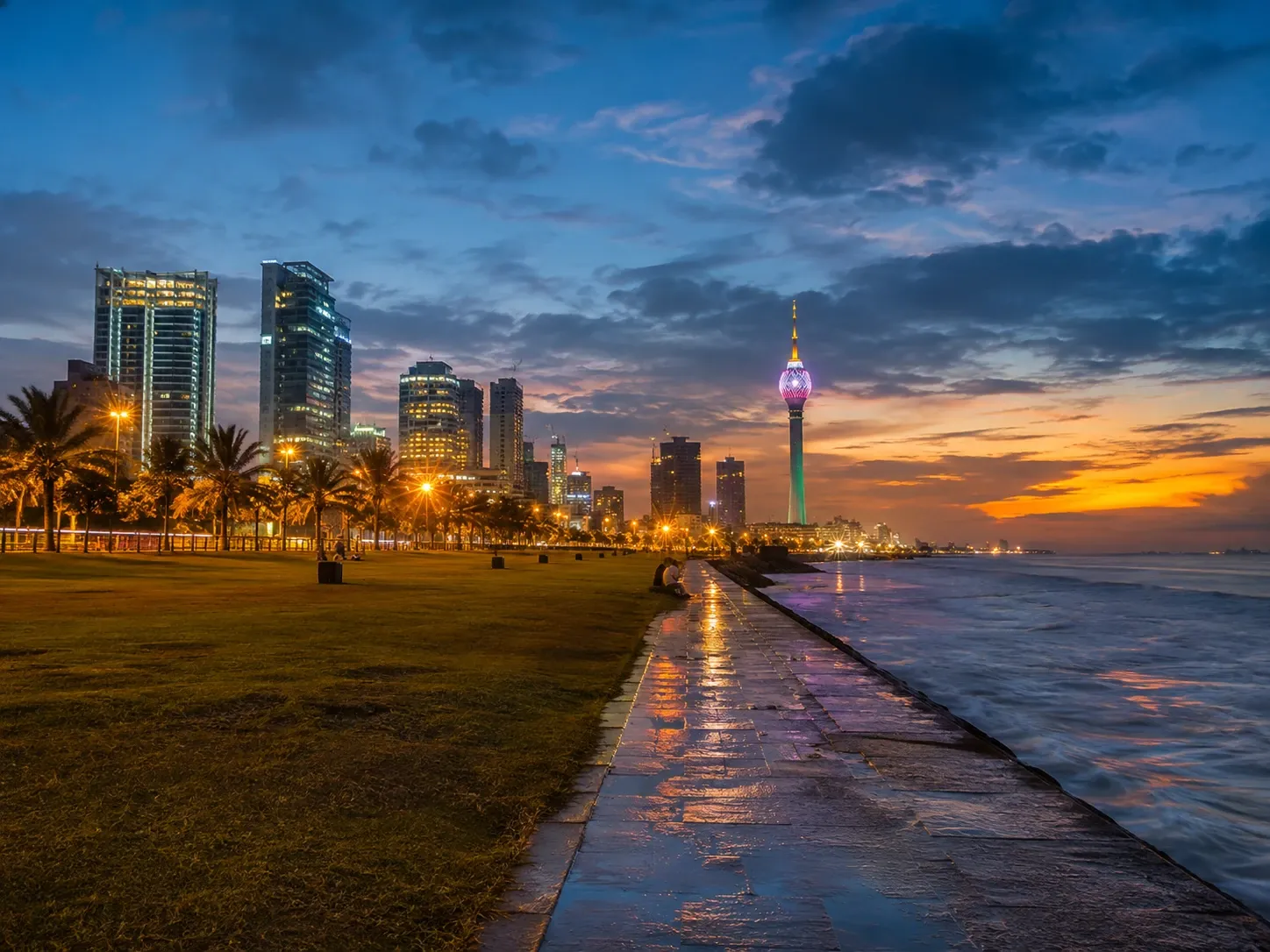
Colombo is often skipped too quickly, but it works well for travellers who want context, dining, and a more urban read on the island before moving inland.
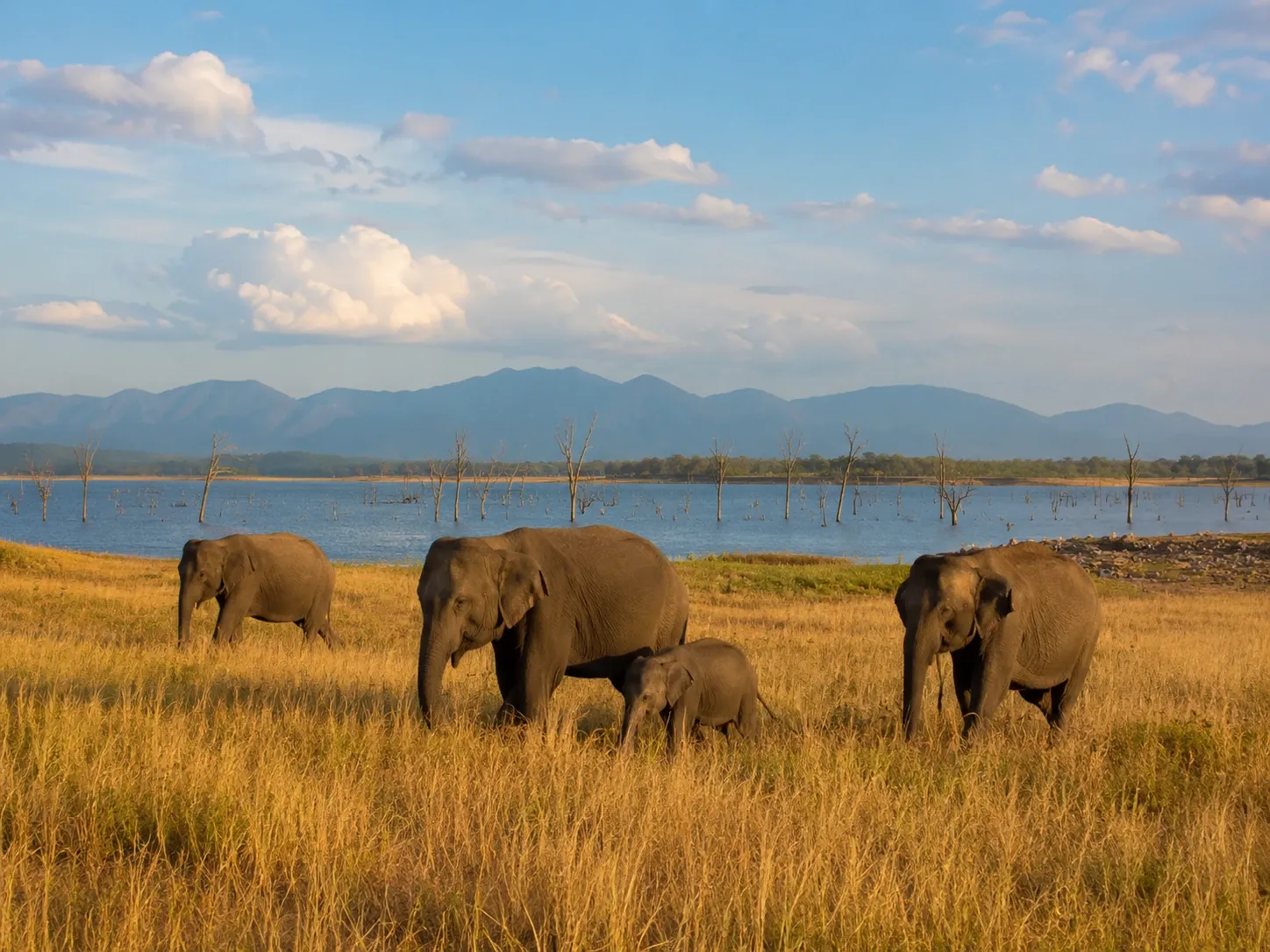
Udawalawe is a strong wildlife alternative or complement to Yala, especially for travellers who want an easier park format and very strong elephant-viewing chances.
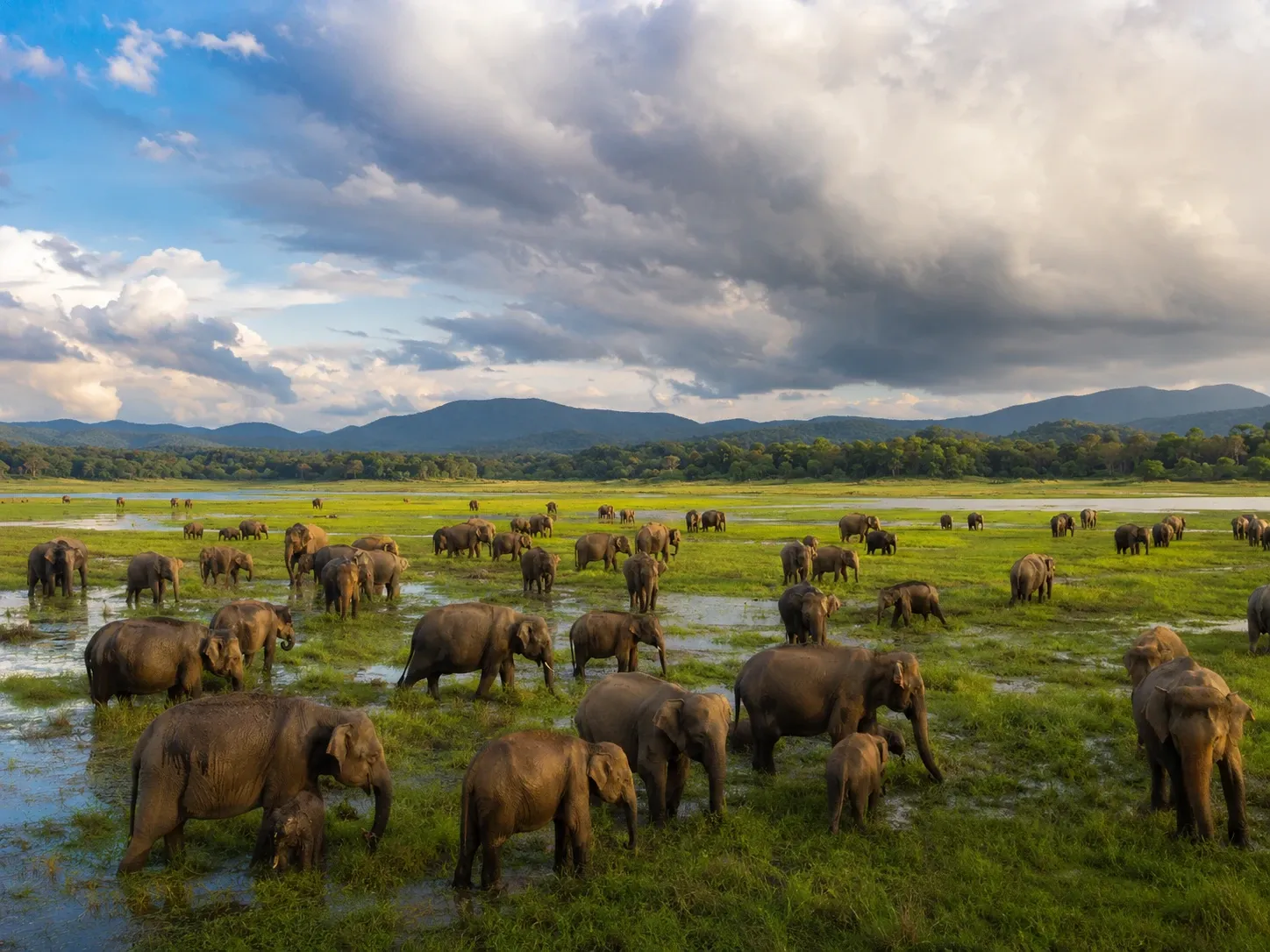
Minneriya works particularly well on cultural itineraries because it adds wildlife without needing a major route shift away from Sigiriya and Polonnaruwa.
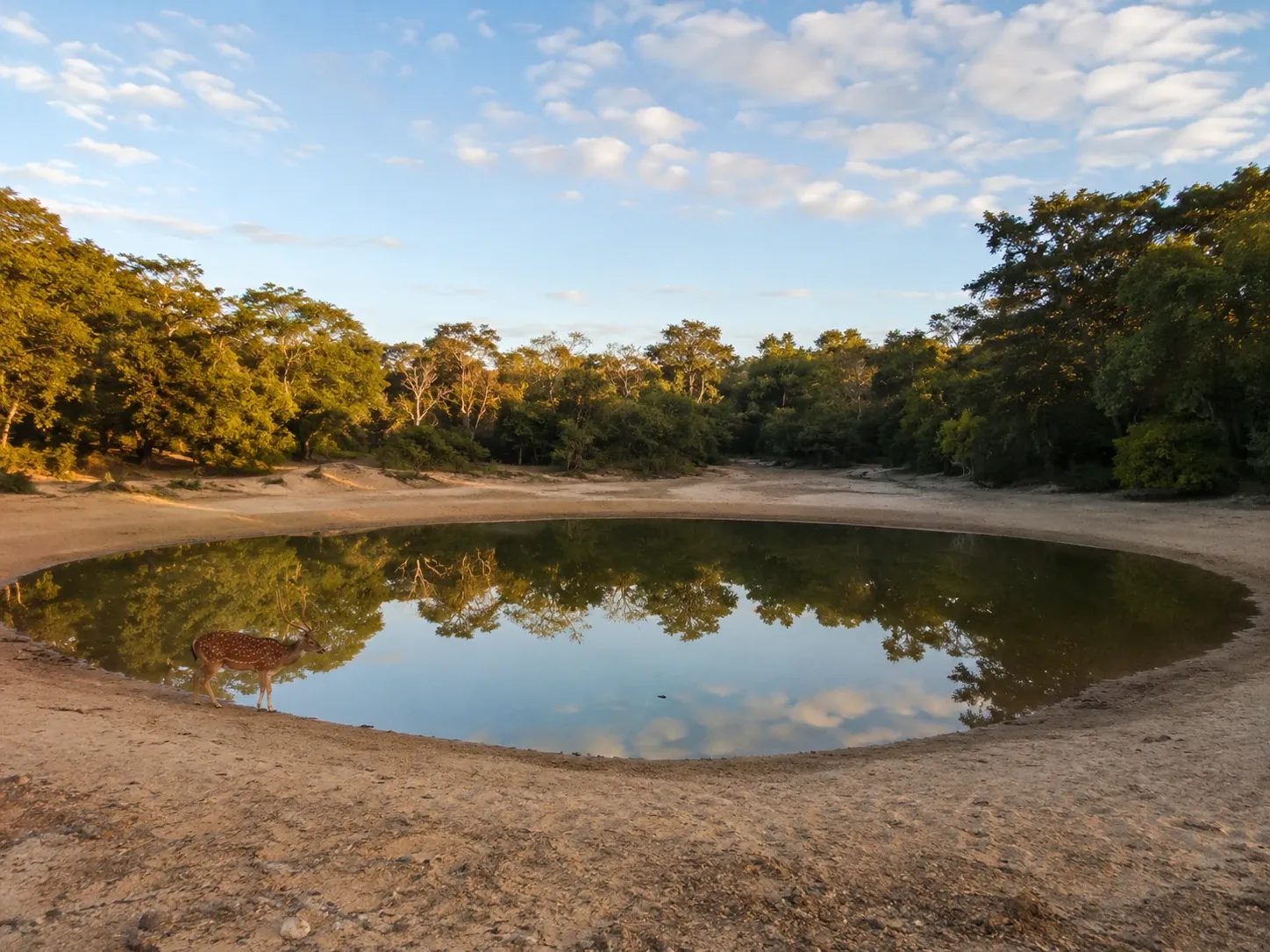
Wilpattu appeals to travellers who want a wider, quieter safari atmosphere and are willing to go farther north and west than the more common Yala route.
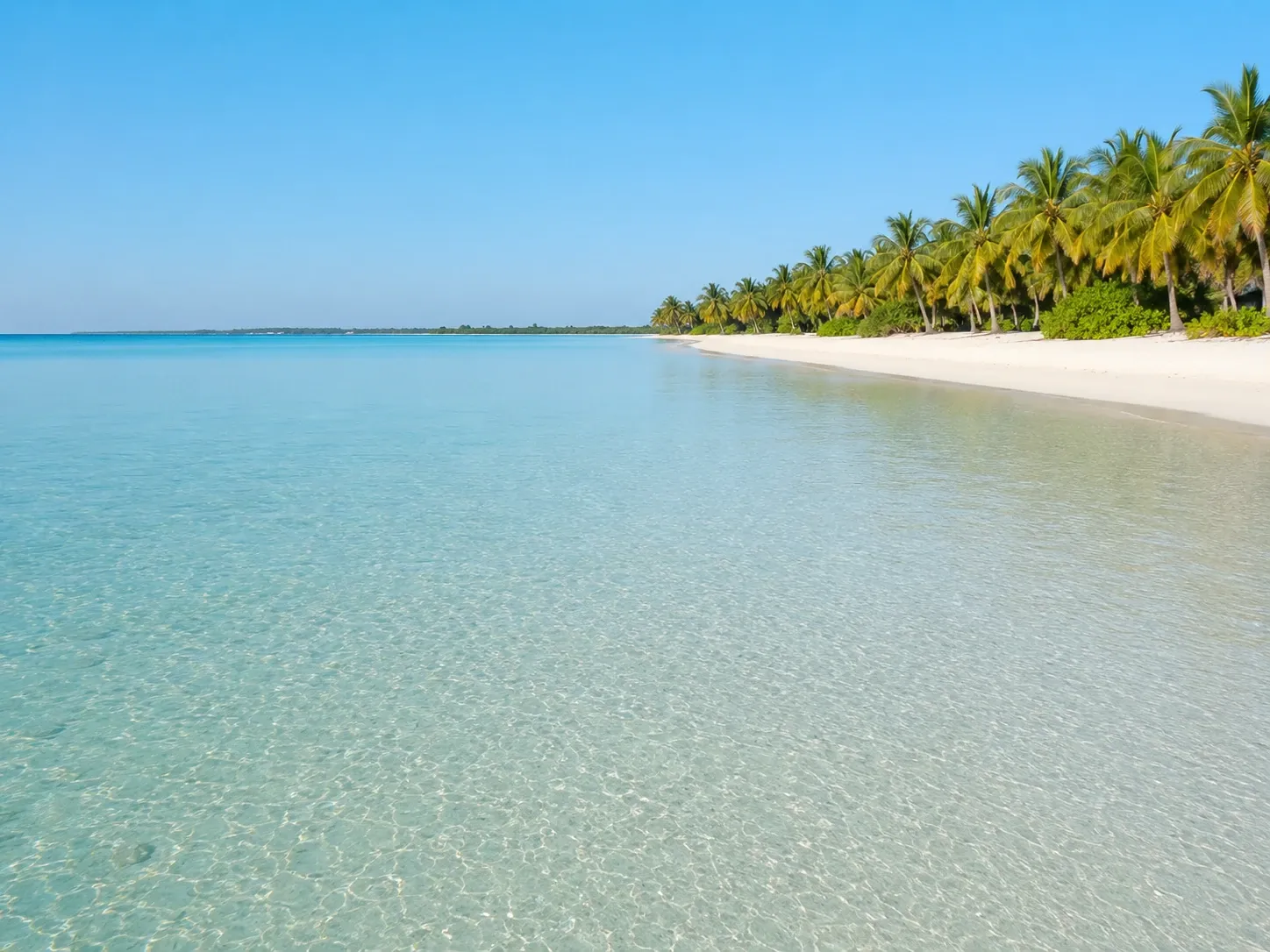
Pasikuda is one of the east coast’s softer beach destinations and suits travellers who want a relaxed sea-focused stay rather than an activity-heavy coastal town.
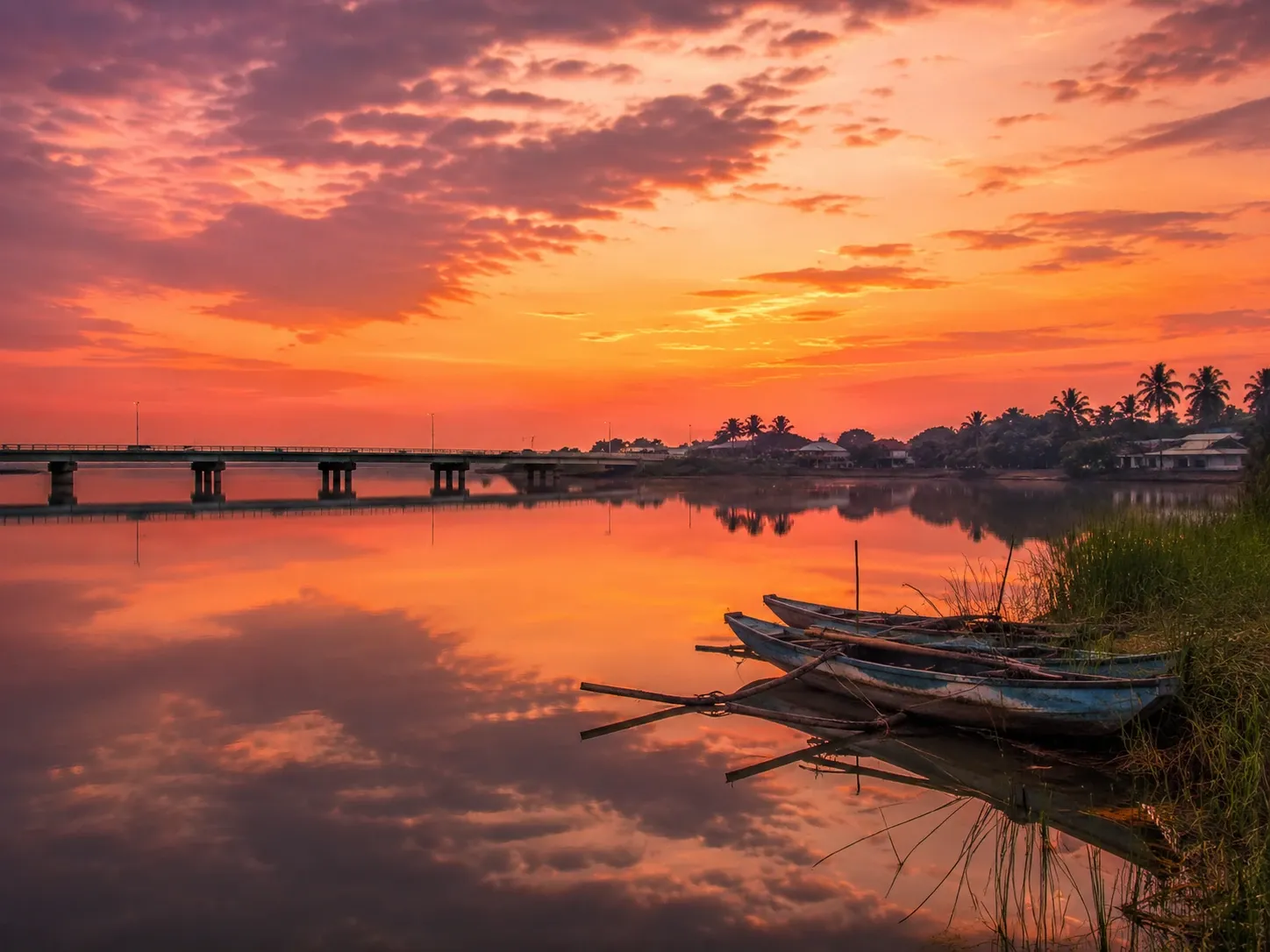
Batticaloa offers a quieter east-coast experience for travellers who want lagoon scenery and a less resort-shaped coastal stop.
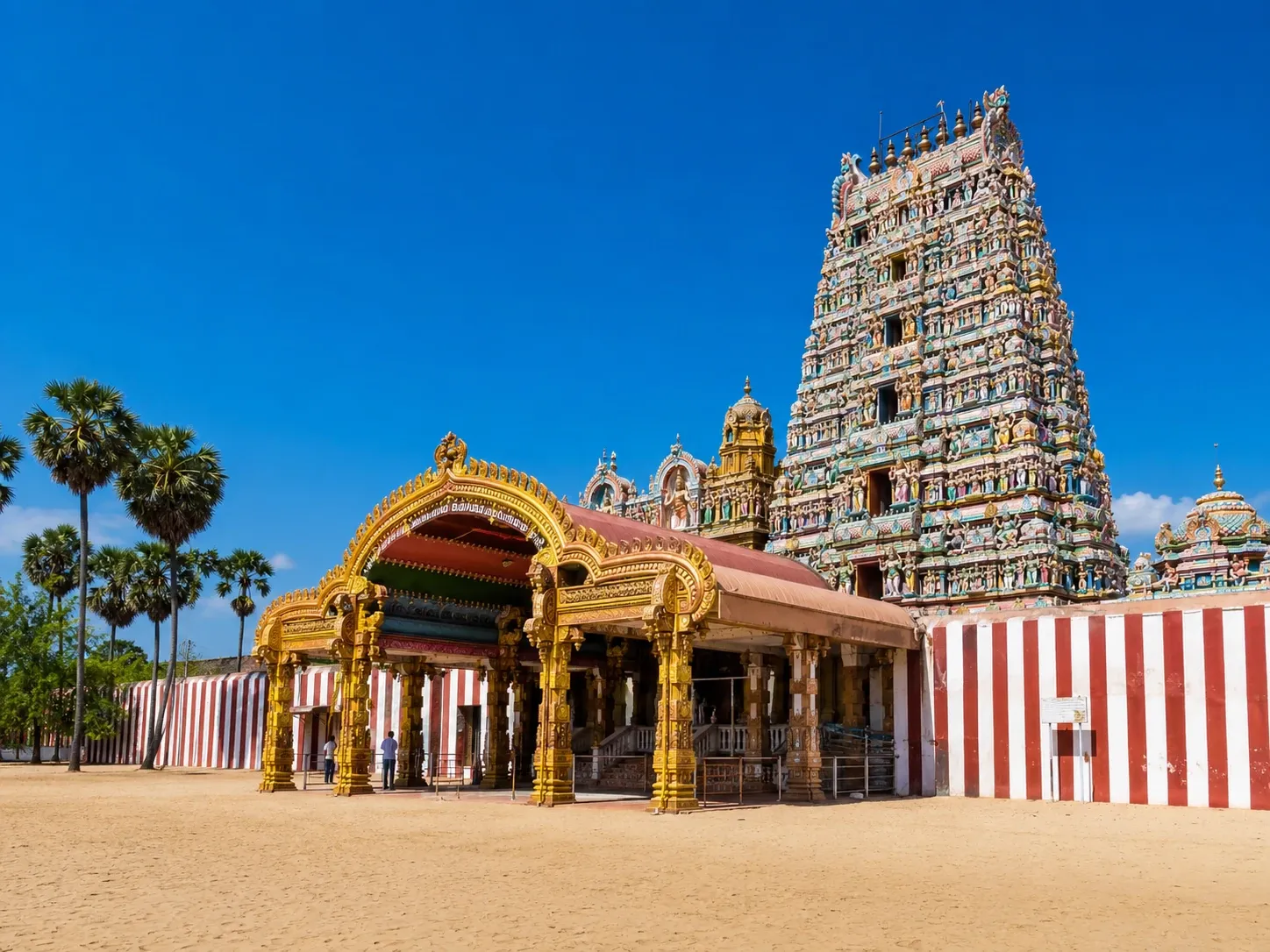
Jaffna gives travellers a very different regional feel from southern or central Sri Lanka and is strongest on longer itineraries that want geographic breadth.
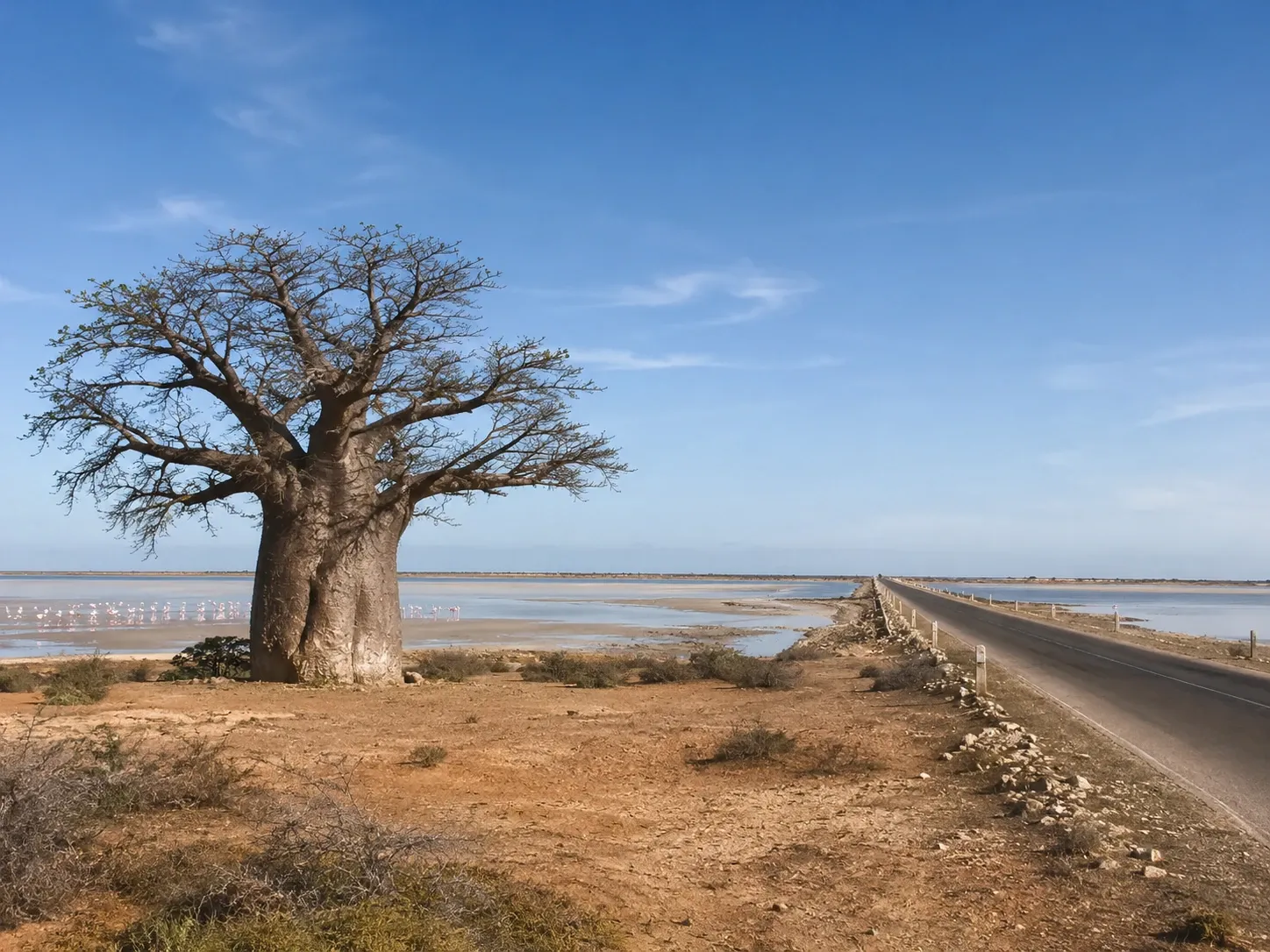
Mannar is a more specialist destination, suited to travellers who want a wilder coastal northwest rather than a standard beach stop.
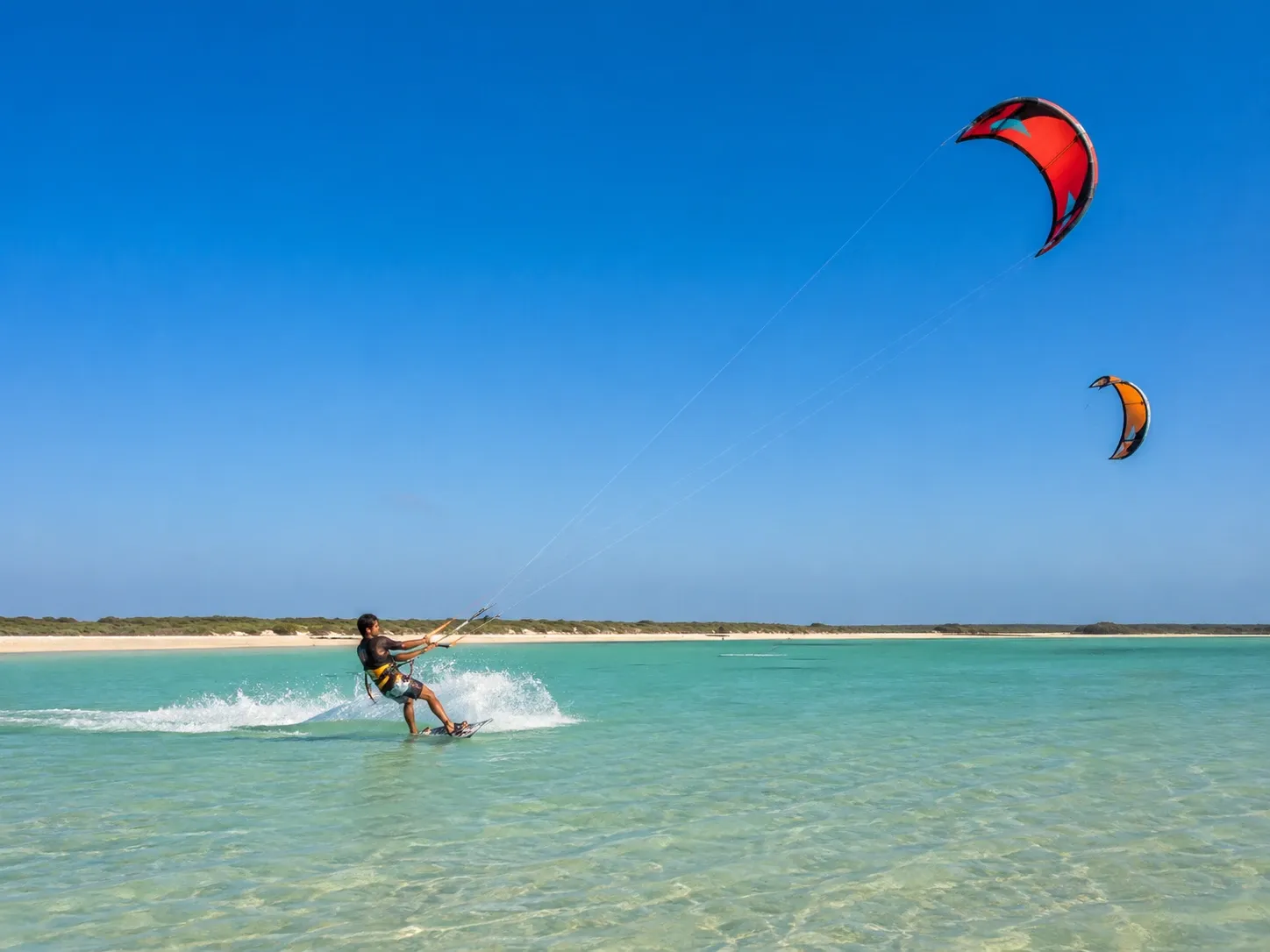
Kalpitiya is one of the island’s more specialist coastal destinations and works best for water-sport or marine-interest travellers.
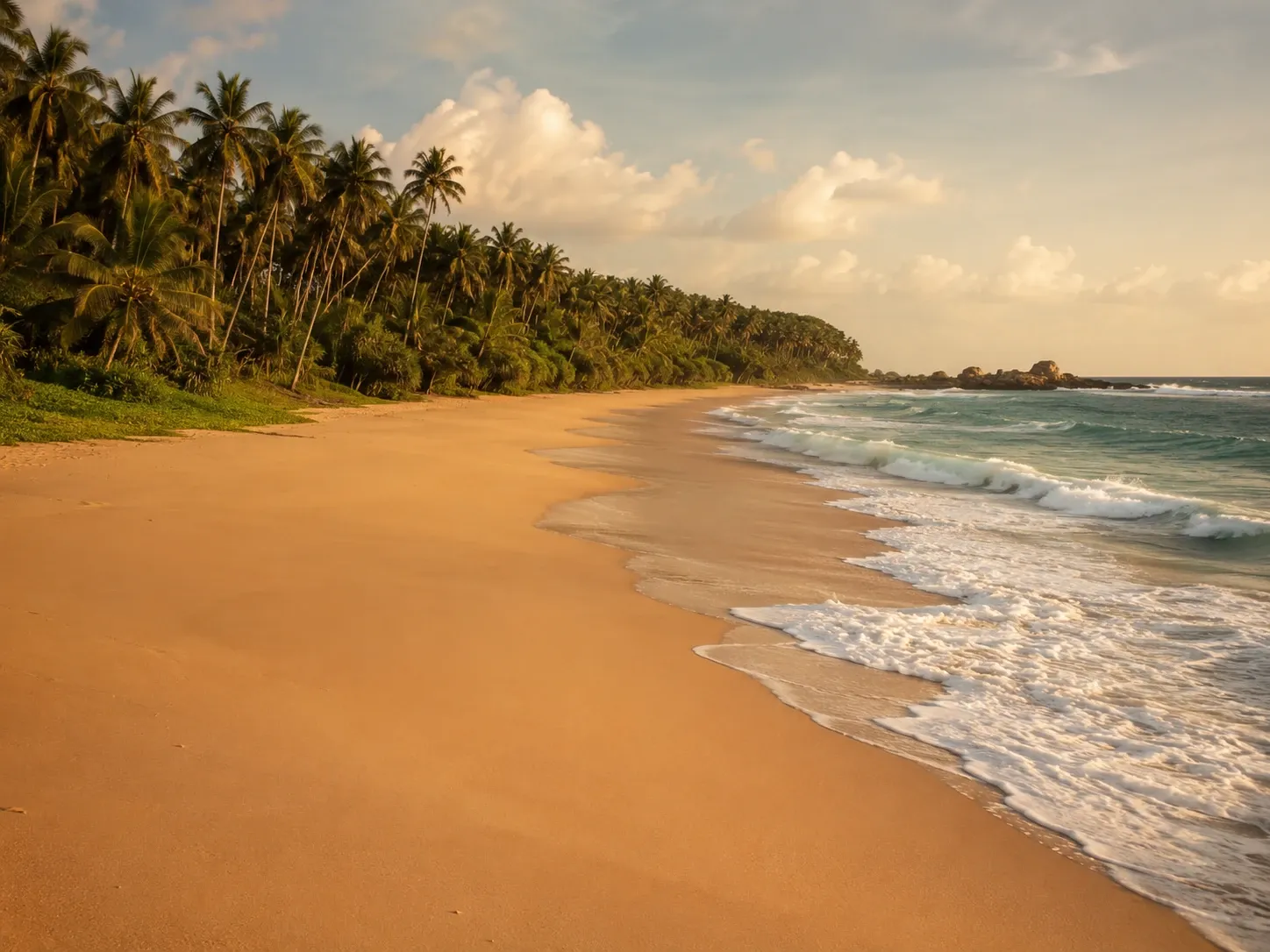
Tangalle is a strong choice for travellers who want the south coast without the busier café-town feel of Mirissa or Weligama.
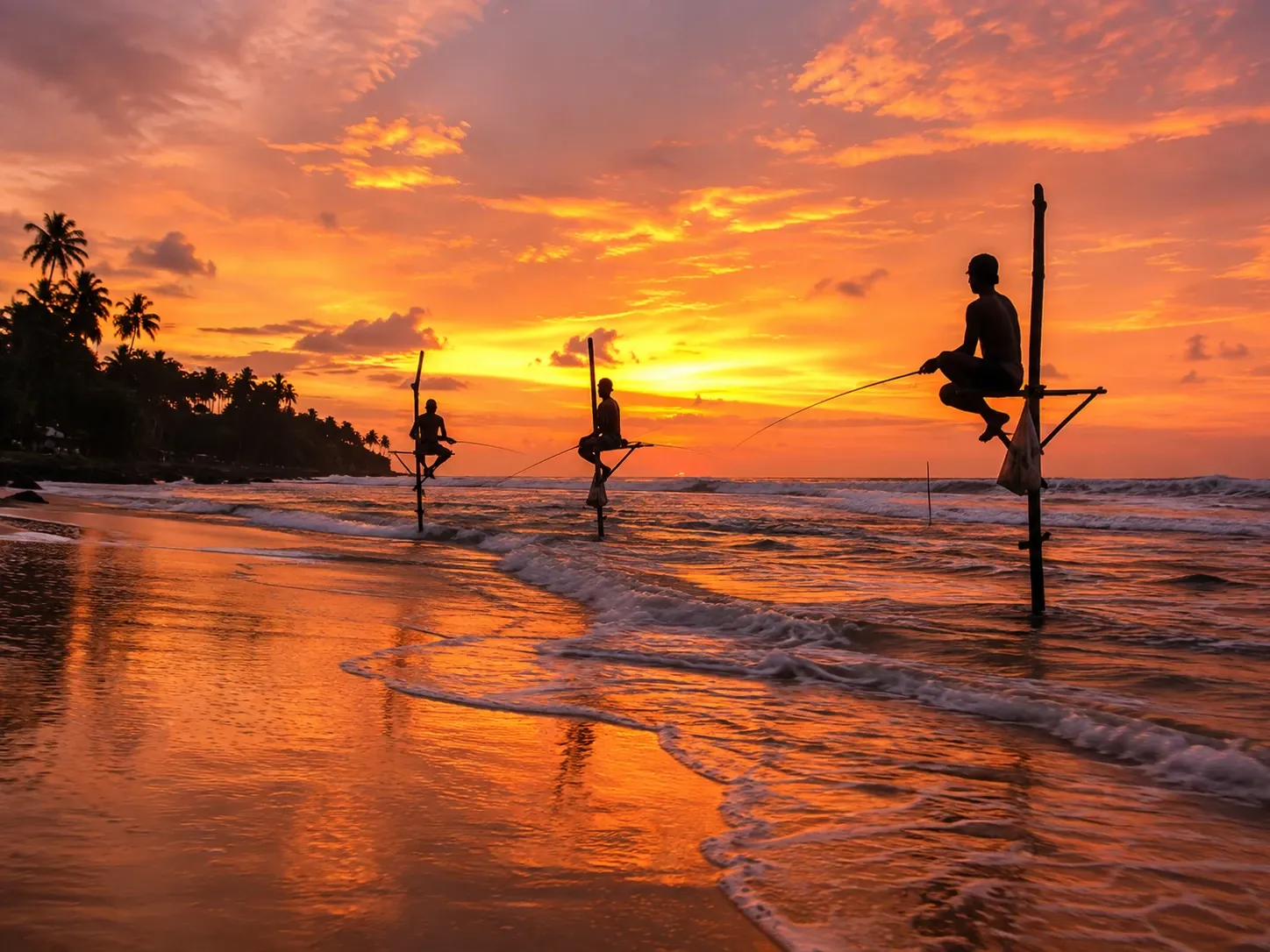
Weligama works well for travellers who want a more active beach-town energy and easy coastal movement between south-coast stops.
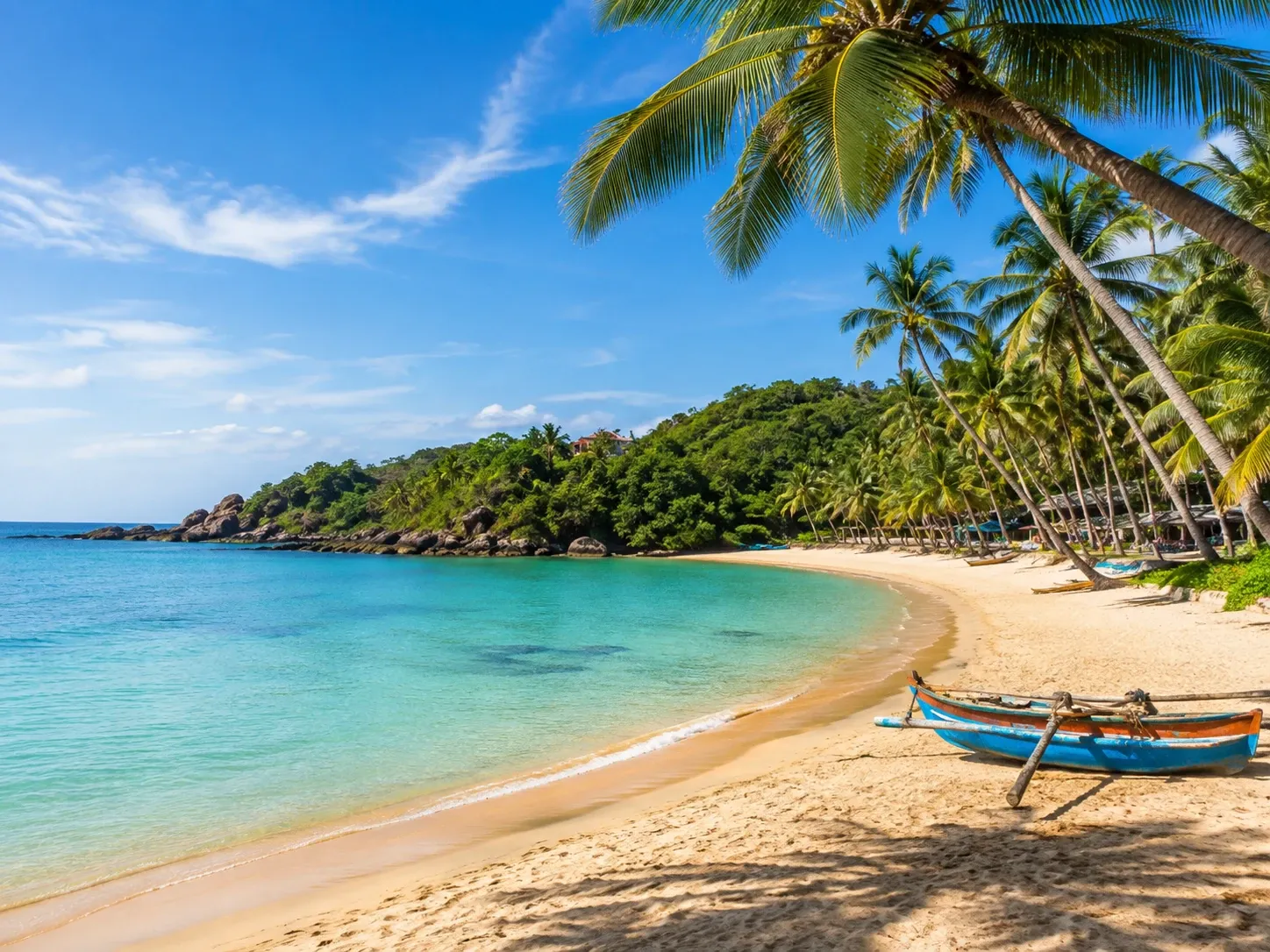
Unawatuna is a practical coastal add-on for travellers who want beach time without moving far away from Galle’s heritage core.
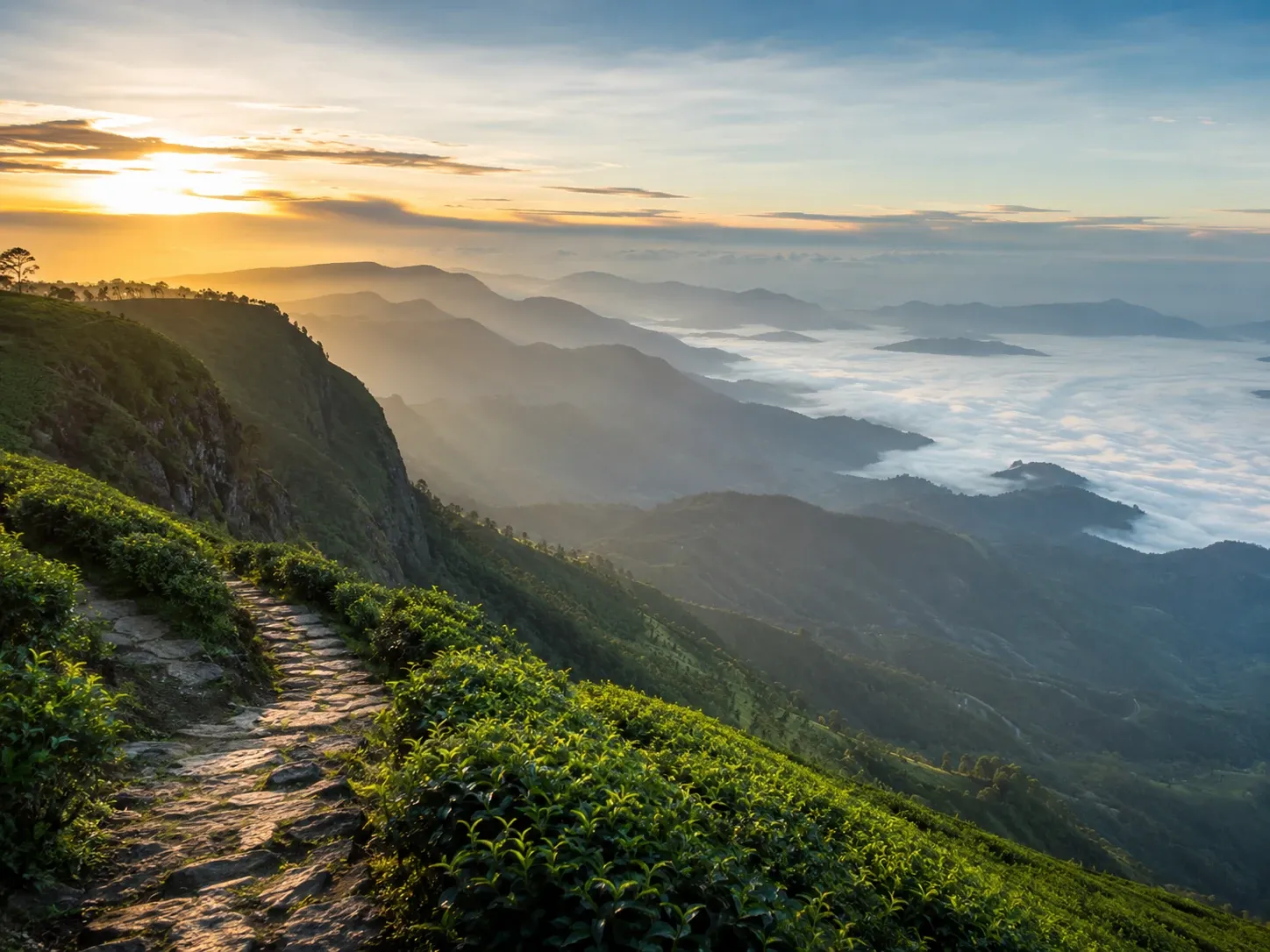
Haputale is a quieter alternative to Ella for travellers who want mountain scenery with less tourist density.
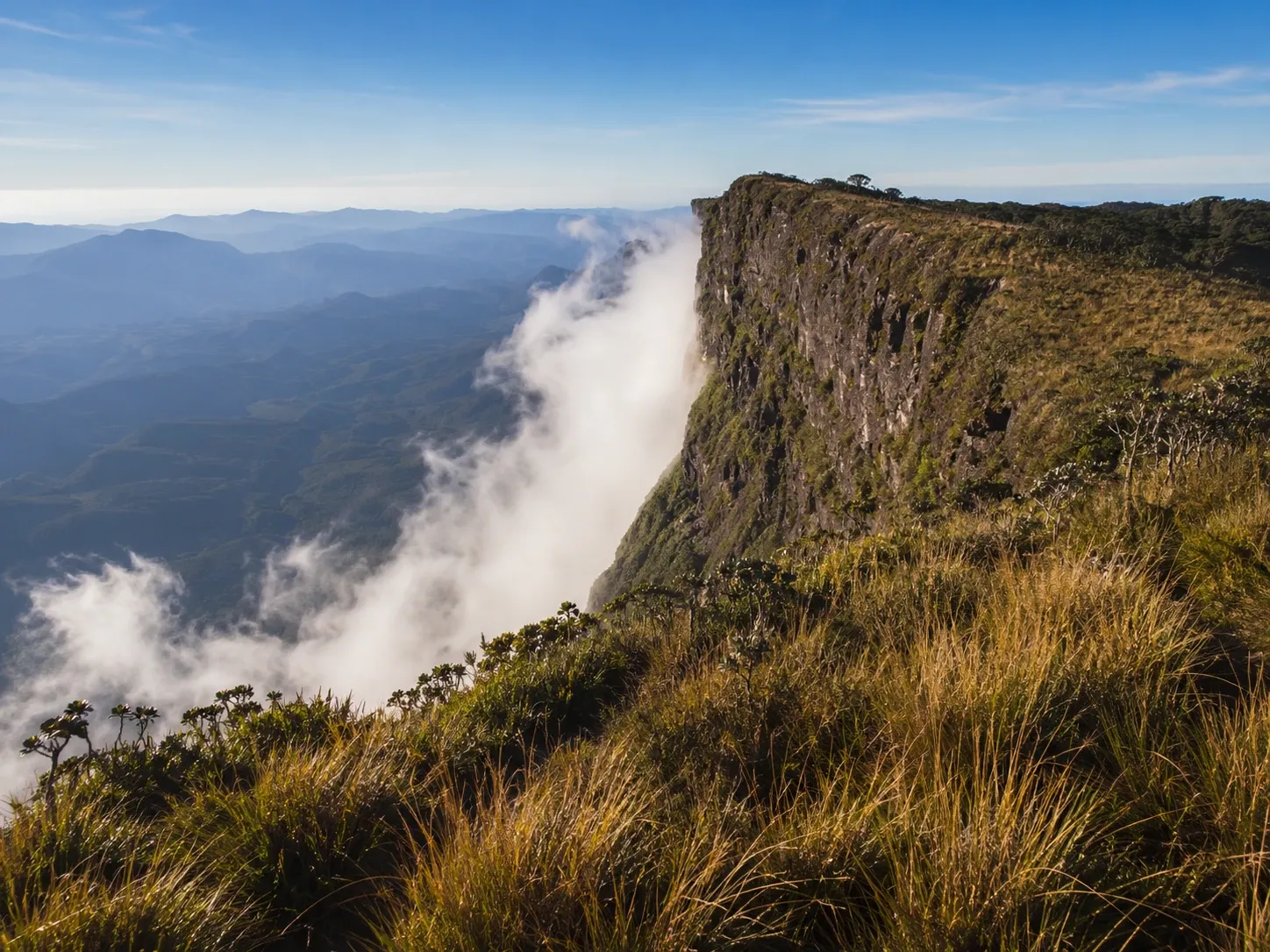
Horton Plains is one of the hill country’s strongest nature-focused excursions and works best for travellers who want a more outdoors-oriented morning.
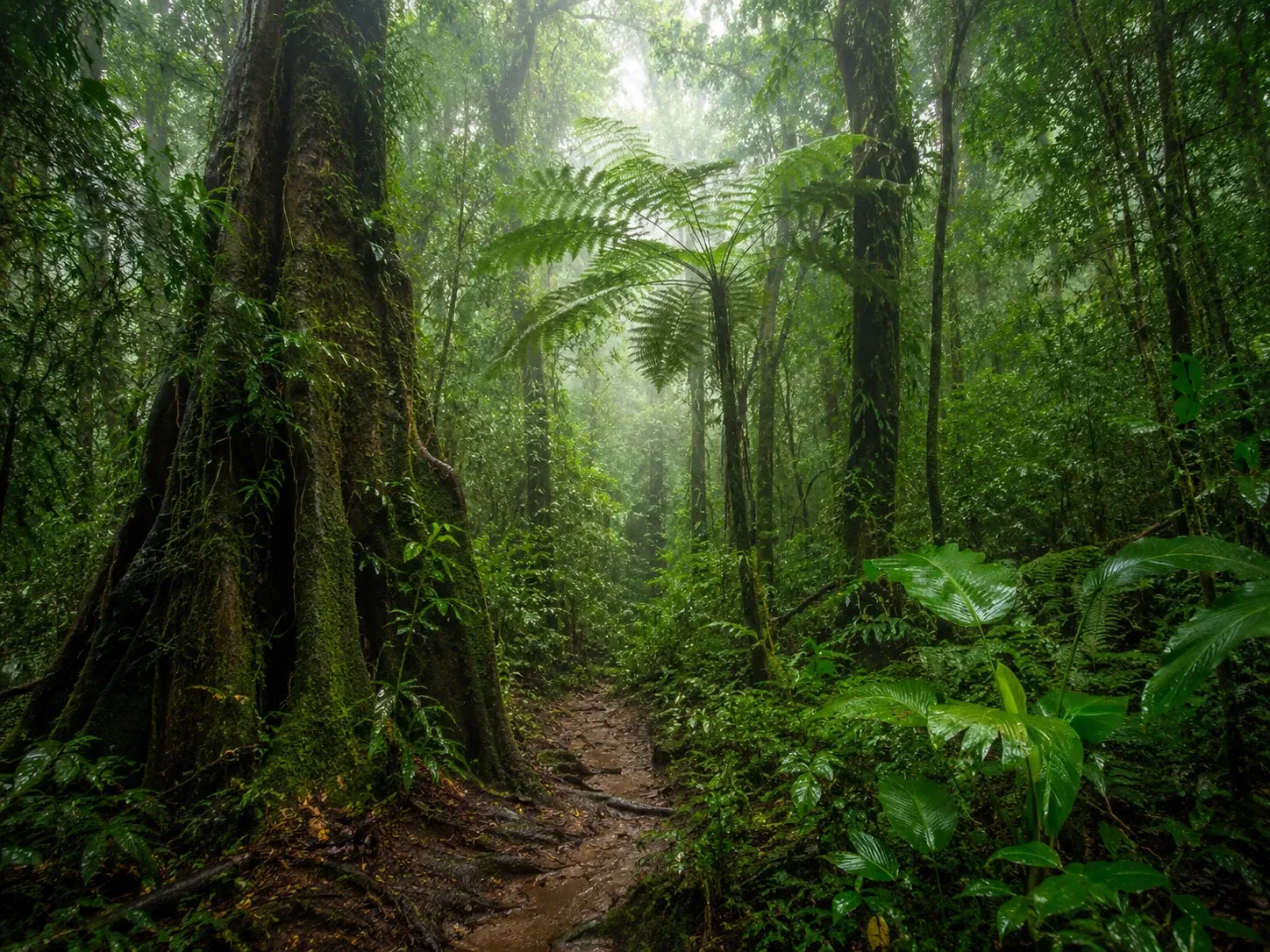
Sinharaja is one of Sri Lanka’s strongest nature destinations for travellers who want rainforest ecology rather than monument-heavy travel.
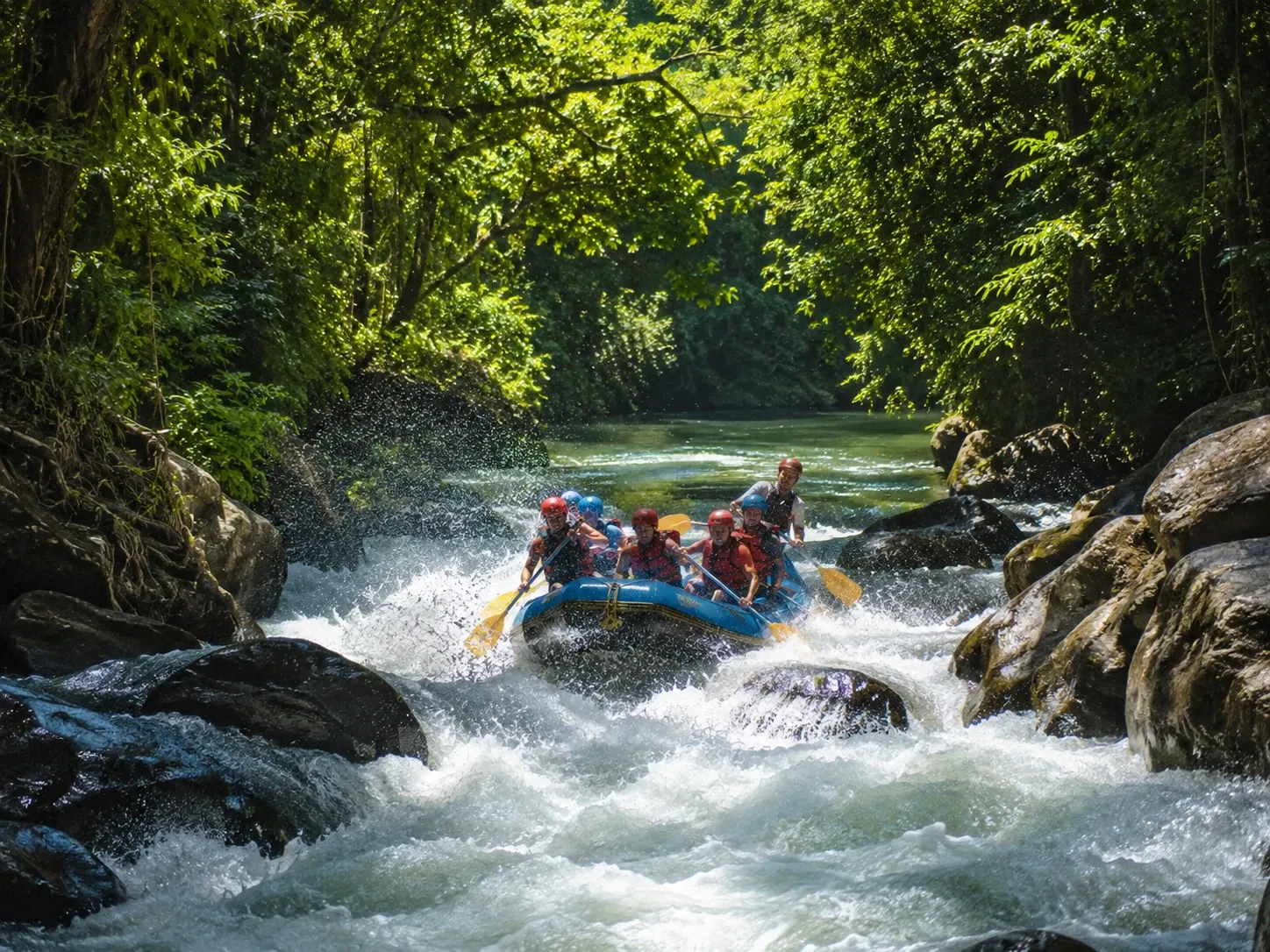
Kitulgala is a practical adventure add-on for travellers who want activity-driven travel in Sri Lanka’s wetter inland zone.
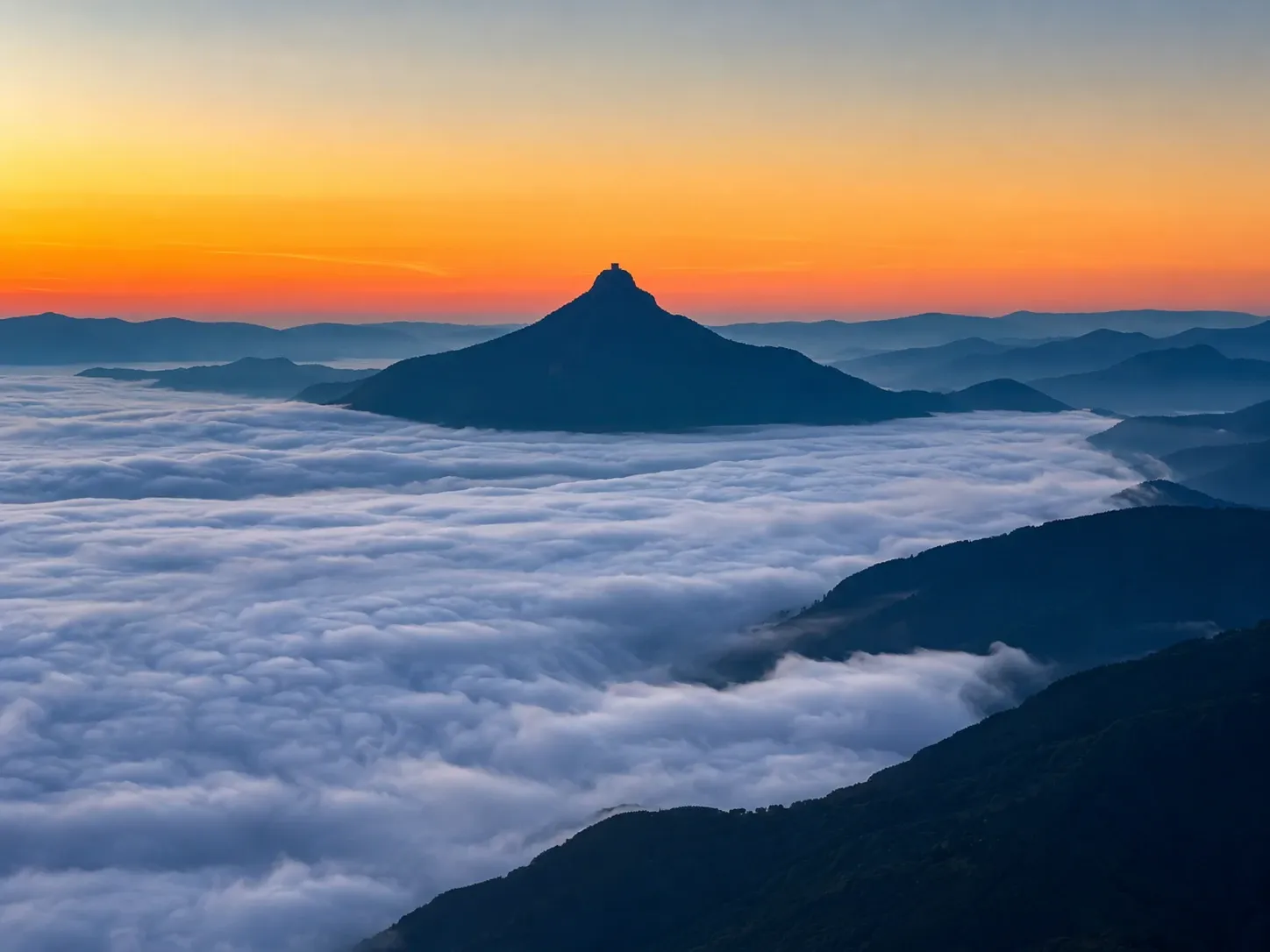
Adam’s Peak is a very specific destination: it suits travellers who want a physically demanding night climb with both religious context and summit sunrise appeal.

Habarana is more strategic than iconic, but that is exactly what makes it useful in destination planning: it can anchor a very efficient Cultural Triangle stay.
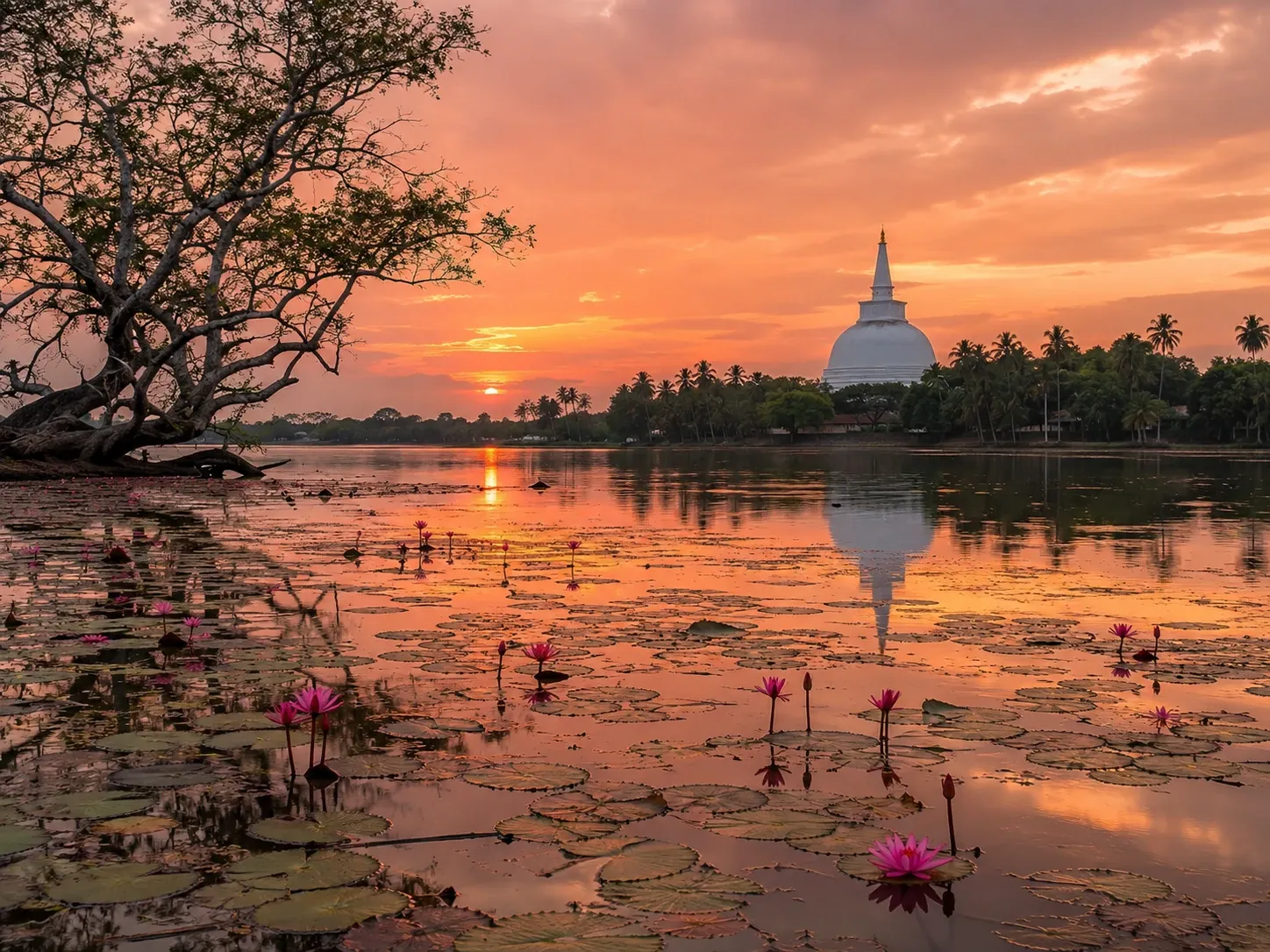
Tissamaharama is not usually chosen for its own attractions first, but it is one of the most practical places to base travellers before a Yala safari.
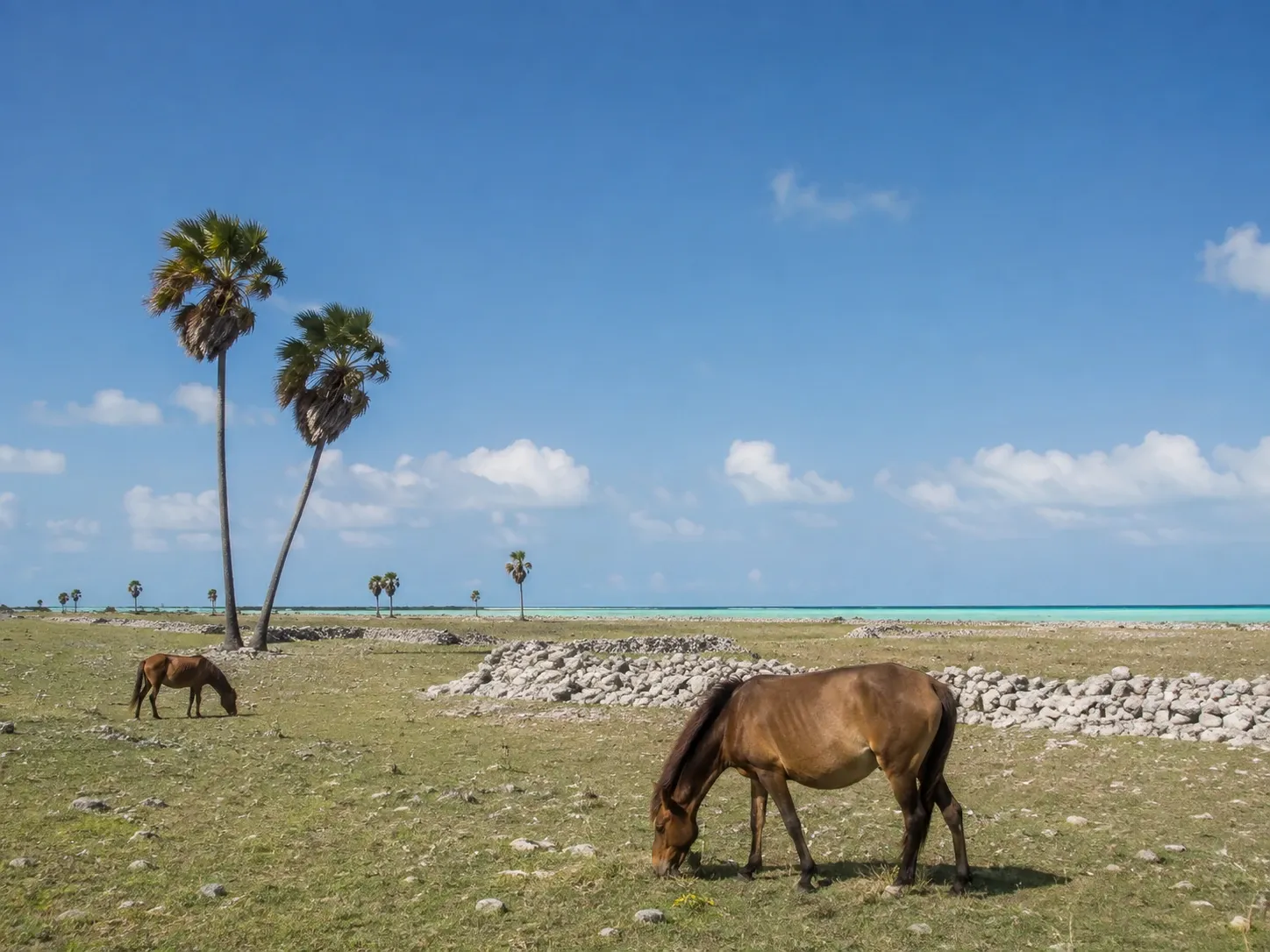
Delft Island adds a sense of geographic and cultural reach to northern itineraries and is one of the more memorable side trips from Jaffna.